 Bug FAQ
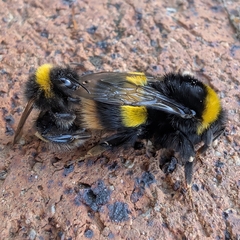
Cryptic Bumble Bee
Bombus cryptarum · Order: Hymenoptera · Family: Apidae
Also called: Cryptic Bumblebee
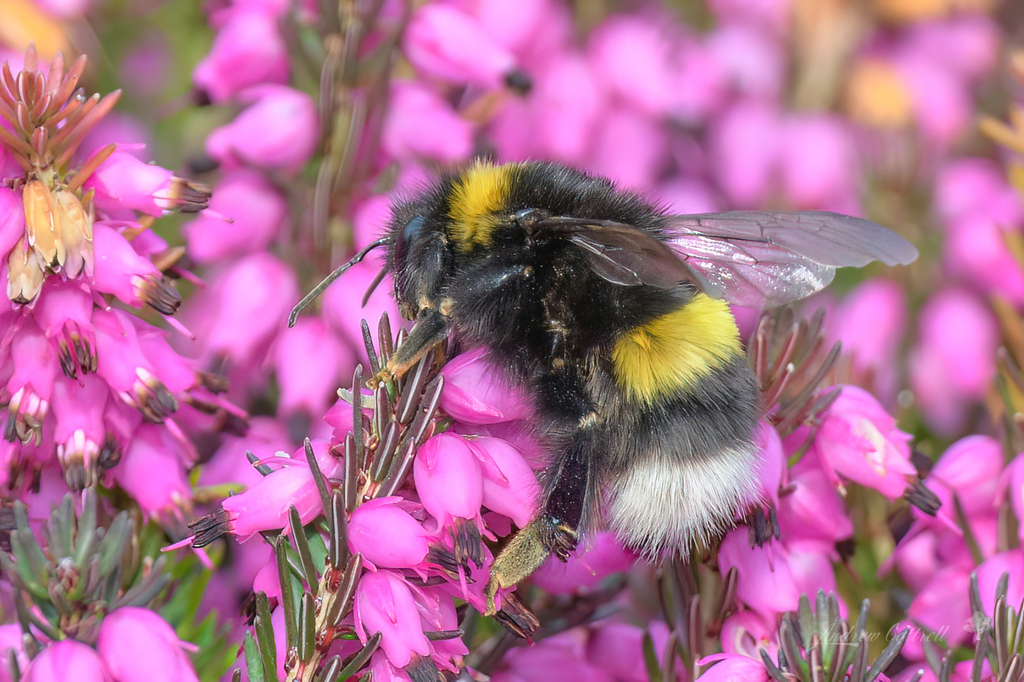
The cryptic bumblebee is a bumblebee species known by that common name. It lives on plains with heather in the north and in mountains in the south. It is native to the northern hemisphere and is widespread across Europe, Asia and western North America.
Source: Wikipedia
How to recognize it
It is commonly called the cryptic bumblebee.
Source: Wikipedia
Where it lives
In northern areas it inhabits plains, especially heather ecosystems; in southern areas it occurs in mountain habitats.
Source: Wikipedia
Where it comes from
It is native to the northern hemisphere and is one of the most widespread bumblebees, found throughout Europe, Asia, and western North America.
Source: Wikipedia
Lookalikes
It belongs to a complex of very similar Bombus species that are hard to tell apart.
Source: Wikipedia
Where it is found in the US
Recorded in 1 of 51 states and DC. Most records: Alaska.
Darker = more records. Counts are museum and citizen-science records, not population size.
Source: GBIF
Status: native in North America; native in Canada. Source: iNaturalist
Months it is reported in the US
Source: GBIF
More photos
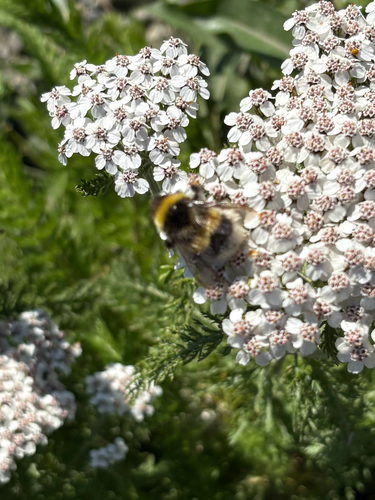
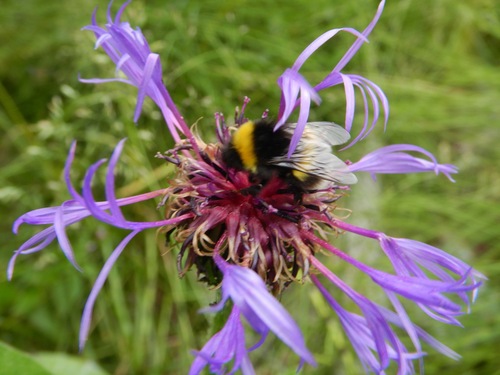
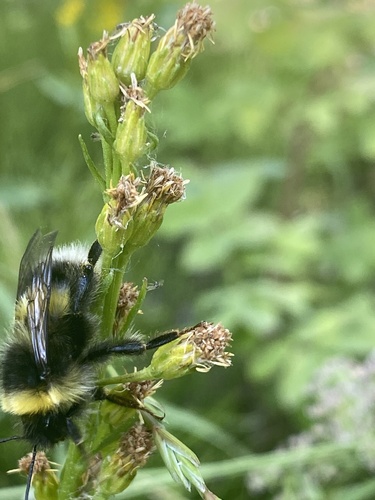
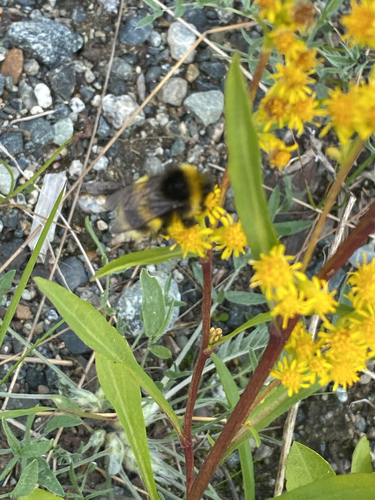
Same family (Apidae)


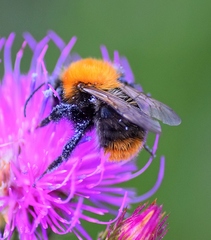
Sources
- Wikipedia: https://en.wikipedia.org/wiki/Bombus_cryptarum
Look it up elsewhere: GBIF · iNaturalist · BugGuide · ITIS · Wikipedia
Text written 2026-10-23 from the sources above and checked sentence by sentence against them. Data fetched 2026-10-22.