 Bug FAQ
Common Pierrot
Castalius rosimon · Order: Lepidoptera · Family: Lycaenidae
Source: Wikipedia

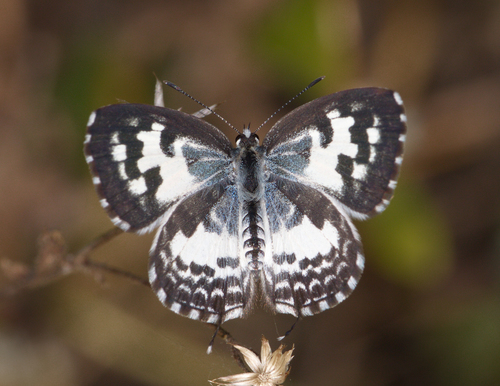
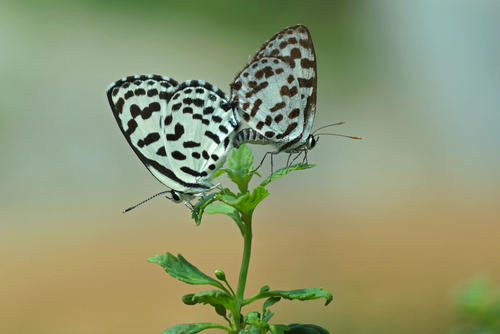
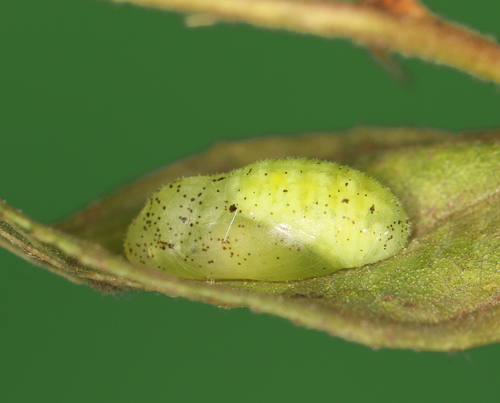
The common Pierrot is a small, white-butterfly with black edging on its wings. It lives in India and nearby regions and its caterpillars eat Ziziphus jujuba. The pupa is glossy, narrow and may be black or green with black markings.
Source: Wikipedia
How to recognize it
Upper side of the wings is mainly white with black edging on the costa, apex and termen; the forewing has several black spots and lines.
Source: Wikipedia
Size
It is a small butterfly belonging to the lycaenid (blues) family.
Source: Wikipedia
What it eats
The caterpillars feed on the plant Ziziphus jujuba.
Source: Wikipedia
Life cycle
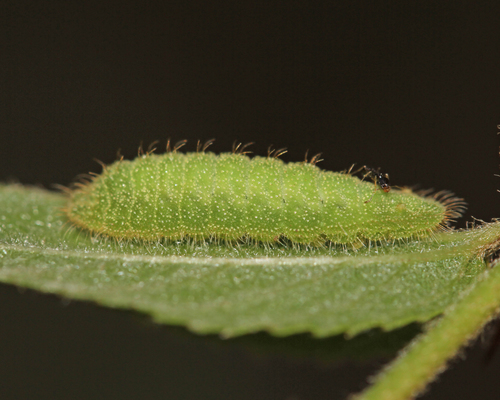
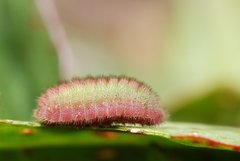
Larva: green with yellow dorsal line and yellow spots, flattened like a woodlouse, feeding on Ziziphus jujuba. Pupa: narrow, slightly flattened, glossy, sometimes black or green with variable black markings.
Source: Wikipedia
Where it comes from
Its range includes Sri Lanka, Bangladesh, India, Myanmar and extends into the Malayan subregion.
Source: Wikipedia
More photos
Questions people ask
Does the common Pierrot damage plants?
Its larvae eat Ziziphus jujuba, which can harm that plant.
Source: Wikipedia
Same family (Lycaenidae)





Sources
- Wikipedia: https://en.wikipedia.org/wiki/Castalius_rosimon
Look it up elsewhere: GBIF · iNaturalist · BugGuide · Wikipedia
Text written 2026-10-22 from the sources above and checked sentence by sentence against them. Data fetched 2026-10-22.