 Bug FAQ
Common Hedge Blue
Acytolepis puspa · Order: Lepidoptera · Family: Lycaenidae
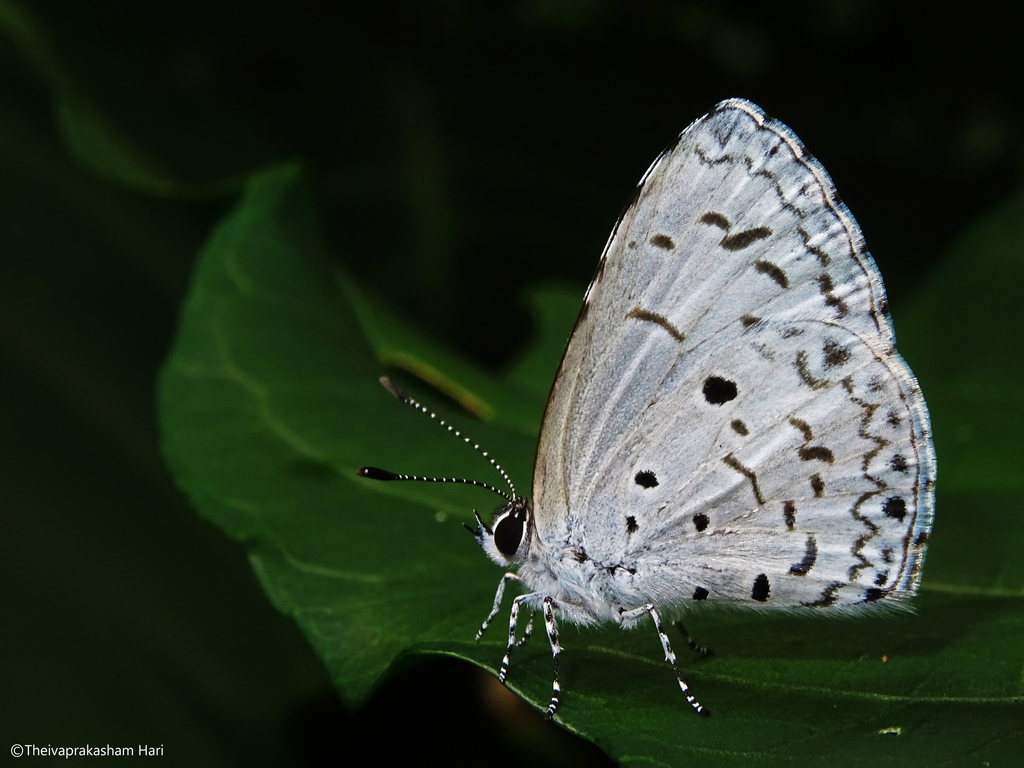
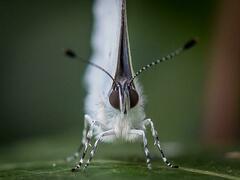
The common hedge blue is a small lycaenid butterfly with a violaceous-blue upper side that shows iridescent tints in certain light. It is found across a wide range in South and Southeast Asia, including India, the Himalayas, Sri Lanka, Myanmar, Taiwan, the Philippines, Borneo, Sulawesi and New Guinea. Its larvae feed on a variety of plants such as Glochidion, Rhododendron, several Rosa species, Quercus and others, and it has distinct wet- and dry-season broods.
Source: Wikipedia
How to recognize it
Upper side is violaceous blue with iridescent highlights; forewing edges are black, widening at the apex and narrowing near vein 4.
Source: Wikipedia
Where it lives
First described by Thomas Horsfield in 1828.
Source: Wikipedia
What it eats
Larvae have been recorded on many host plants including Glochidion fortunei, Rhododendron spp., several Rosa species, Quercus phillyraeoides and others.
Source: Wikipedia
Life cycle
There are separate wet-season and dry-season broods, with the dry-season form differing only slightly.
Source: Wikipedia
When you see it
Both wet-season and dry-season broods occur.
Source: Wikipedia
Where it comes from
Occurs in India, Pakistan, Myanmar, Thailand, Malaysia, Singapore, Yunnan, Taiwan, Sri Lanka, the Philippines, Borneo and New Guinea.
Source: Wikipedia
More photos
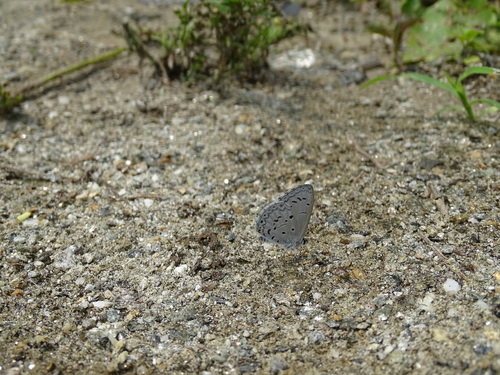
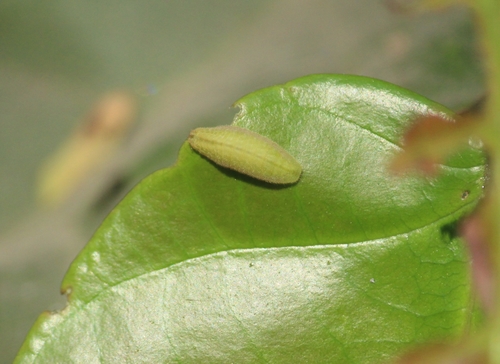
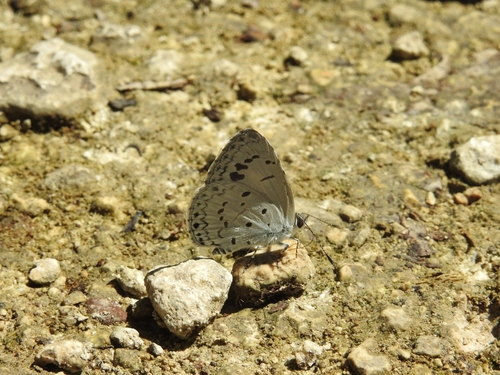
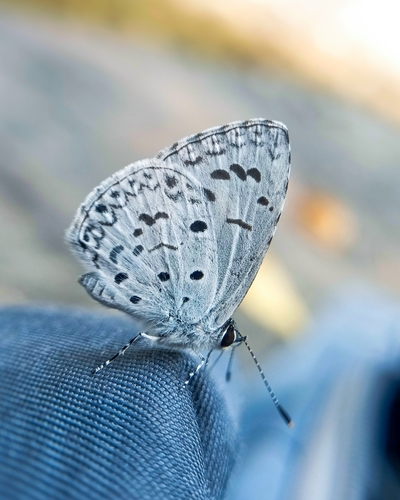
Same family (Lycaenidae)
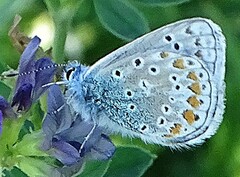
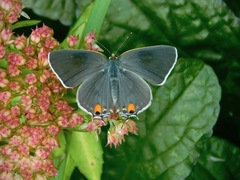
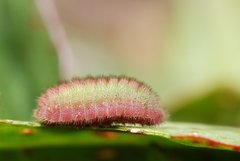

Sources
- Wikipedia: https://en.wikipedia.org/wiki/Acytolepis_puspa
Look it up elsewhere: GBIF · iNaturalist · BugGuide · Wikipedia
Text written 2026-10-22 from the sources above and checked sentence by sentence against them. Data fetched 2026-10-22.