 Bug FAQ
Common Hairstreak
Hypolycaena philippus · Order: Lepidoptera · Family: Lycaenidae
Also called: Purple-brown Fairy Hairstreak
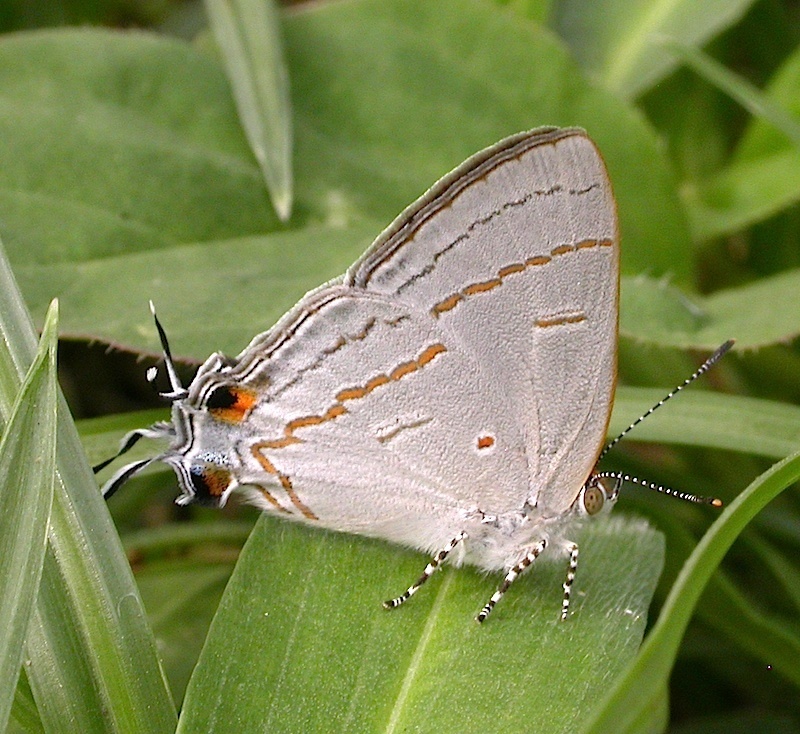
It lives in wooded areas across sub-Saharan Africa. Its larvae feed on a variety of plants such as Clerodendrum, Ximenia, Deinbollia, Vangueria, Maytenus, Allophylus, Loranthus, pomegranate and others.
Source: Wikipedia
How to recognize it
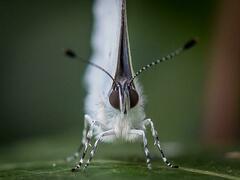
Hypolycaena philippus is a butterfly in the Lycaenidae family, known as the purple-brown or common hairstreak.
Source: Wikipedia
Size
Males have a wingspan of 22 to 28 mm; females are slightly larger at 23.5 to 31 mm.
Source: Wikipedia
Where it lives
It is commonly found in wooded locations within its range.
Source: Wikipedia
What it eats
Larvae feed on many plants, including Clerodendrum glabrum, Ximenia species, Deinbollia species, Vangueria fruits, Maytenus senegalensis, Allophylus, Loranthus, pomegranate, other Clerodendrum, Coccinia grandis and Ixora.
Source: Wikipedia
When you see it
Adults can be seen throughout the year, especially in November and March/April in warm regions.
Source: Wikipedia
Where it comes from
The species is native to sub-Saharan Africa.
Source: Wikipedia
Lookalikes
It is a member of the Lycaenidae family and shares its common name, common hairstreak, with no other listed species.
Source: Wikipedia
More photos


Questions people ask
What plants do the caterpillars eat?
The larvae feed on a range of plants such as Clerodendrum, Ximenia, Deinbollia, Vangueria fruits, Maytenus, Allophylus, Loranthus, pomegranate and related species.
Source: Wikipedia
When can I see adult common hairstreaks?
Adults are active all year in warm areas, with higher numbers in November and March or April.
Source: Wikipedia
Same family (Lycaenidae)

Sources
- Wikipedia: https://en.wikipedia.org/wiki/Hypolycaena_philippus
Look it up elsewhere: GBIF · iNaturalist · BugGuide · Wikipedia
Text written 2026-10-23 from the sources above and checked sentence by sentence against them. Data fetched 2026-10-23.