 Bug FAQ
Common Ciliate Blue
Anthene emolus · Order: Lepidoptera · Family: Lycaenidae
Also called: Ciliate blue
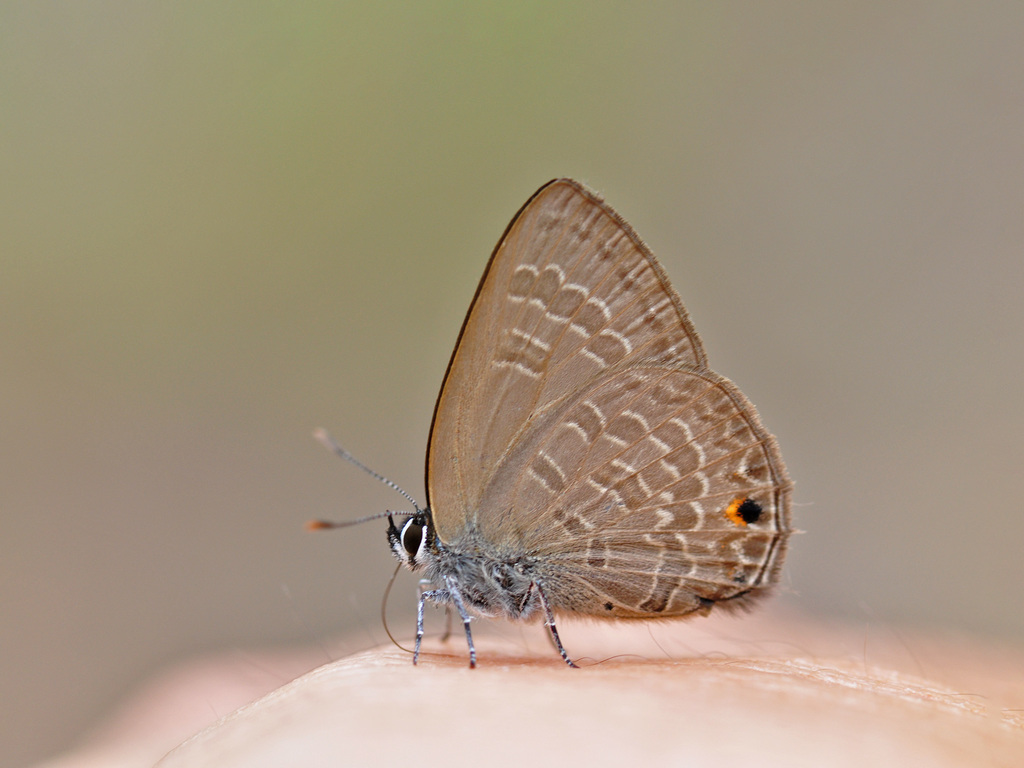
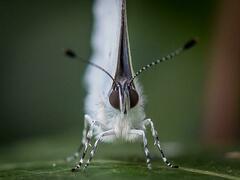
Its upper wings are a dull purple with blue-tinged bases, while the underside is a satiny purplish-brown.
Source: Wikipedia
How to recognize it
The upper side of the wings is dull purple with blue near the bases. The underside appears purplish brown with a smooth, satiny shine.
Source: Wikipedia
Size
A fully fed adult reaches about 0.62 inches in length. Typical individuals are around 0.4 inches long and have the usual lycænid shape.
Source: Wikipedia
Where it lives
It is found across India and Southeast Asia.
Source: Wikipedia
What it eats
In Calcutta it feeds on lychee, golden shower tree, and Heynea trijuga. It also consumes a variety of other bushes.
Source: Wikipedia
Life cycle
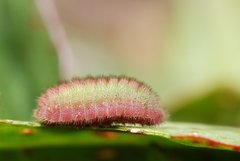
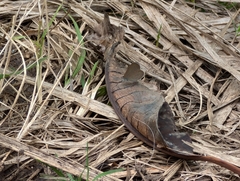
Its body is uniformly reddish-brown with tiny darker speckles.
Source: Wikipedia
Where it comes from
Its native range includes India and Southeast Asia.
Source: Wikipedia
Same family (Lycaenidae)

Sources
- Wikipedia: https://en.wikipedia.org/wiki/Anthene_emolus
Look it up elsewhere: GBIF · iNaturalist · BugGuide · Wikipedia
Text written 2026-10-22 from the sources above and checked sentence by sentence against them. Data fetched 2026-10-22.