 Bug FAQ
Citrus Swallowtail
Papilio demodocus · Order: Lepidoptera · Family: Papilionidae
Also called: Christmas Butterfly, Citrus Butterfly, Citrus swallotail, Orange Dog
Source: Wikipedia
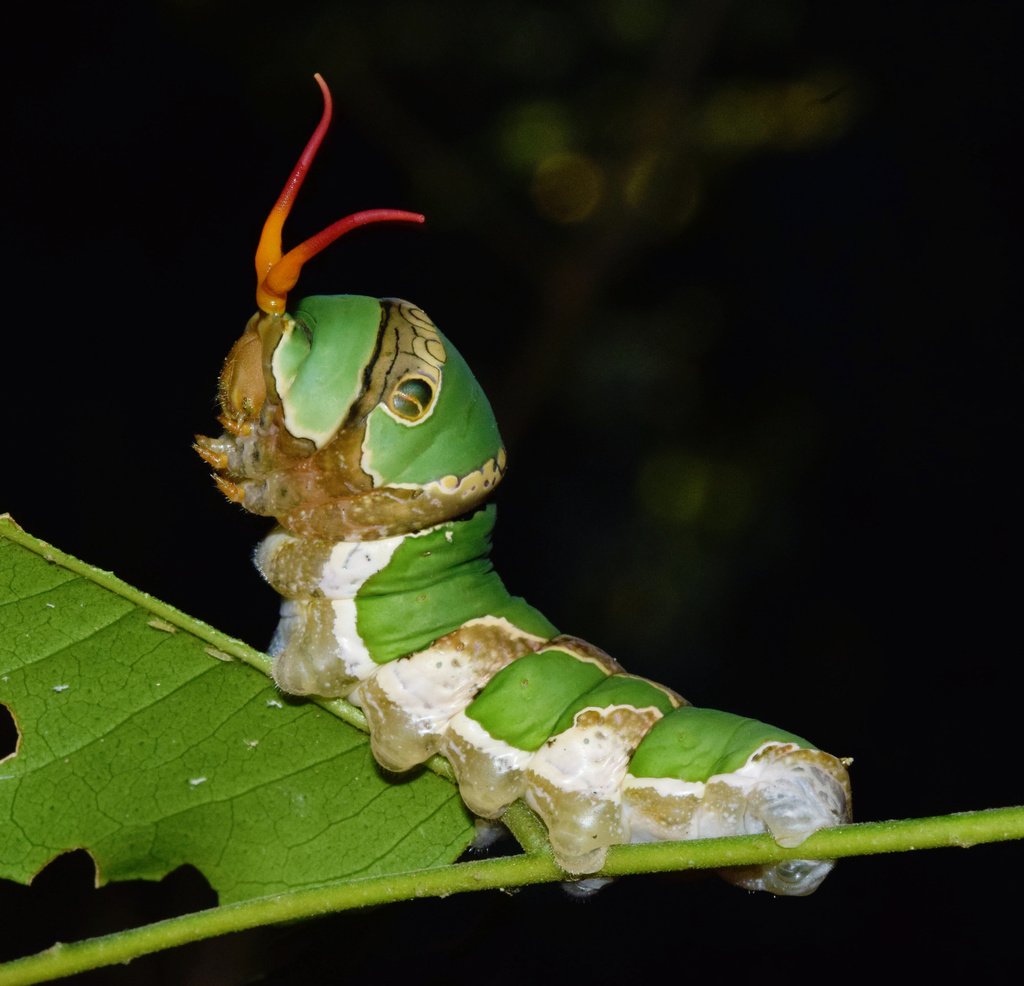
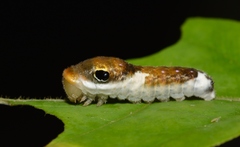
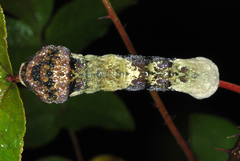
The larvae feed on native Rutaceae and cultivated citrus leaves, can grow up to about 45 mm, and may become a pest in gardens and orchards.
Source: Wikipedia
How to recognize it
Adults show black and yellow wing patterns with red and blue eyespots.
Source: Wikipedia
Size
Fully grown caterpillars reach about 45 mm in length.
Source: Wikipedia
How to get rid of it
Natural predators, parasitoid wasps, assassin bugs, and mantises help keep populations in check; integrated pest management is recommended.
Source: Wikipedia
Where it lives
Caterpillars feed on native Rutaceae plants and also on cultivated citrus leaves.
Source: Wikipedia
What it eats
Larvae eat leaves of Rutaceae family plants, especially citrus. When threatened, mature caterpillars can evert an orange osmeterium.
Source: Wikipedia
Life cycle
There are about three generations each year.
Source: Wikipedia
When you see it
Pupae remain dormant from May to August and emerge as adults in September.
Source: Wikipedia
Where it comes from
The species occurs throughout sub-Saharan Africa, Madagascar, and the southern Arabian Peninsula.
Source: Wikipedia
More photos

Questions people ask
Does the citrus swallowtail damage my garden?
Yes, its caterpillars feed on citrus and other Rutaceae leaves and can become a garden pest.
Source: Wikipedia
How many generations does it have each year?
It typically produces about three generations per year.
Source: Wikipedia
What natural enemies control it?
Parasitic wasps, assassin bugs, and mantises attack the eggs, larvae, and adults.
Source: Wikipedia
Same family (Papilionidae)

Sources
- Wikipedia: https://en.wikipedia.org/wiki/Papilio_demodocus
Look it up elsewhere: GBIF · iNaturalist · BugGuide · Wikipedia
Text written 2026-10-22 from the sources above and checked sentence by sentence against them. Data fetched 2026-10-22.