 Bug FAQ
Bombus morio
Bombus morio · Order: Hymenoptera · Family: Apidae
Source: Wikipedia
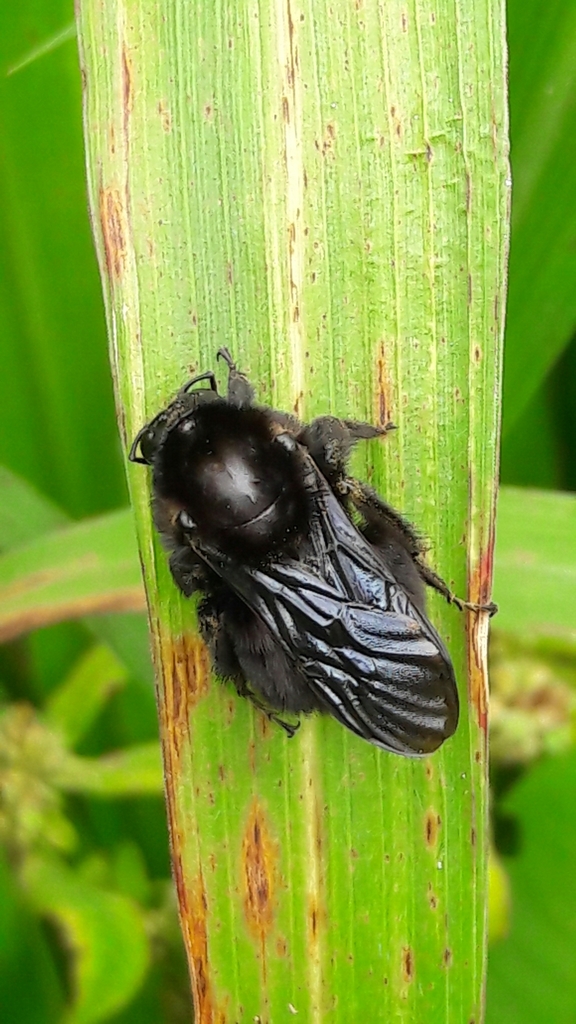
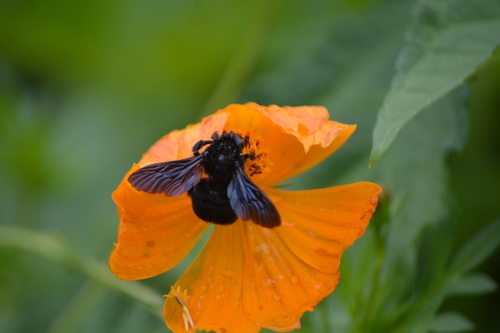
Bombus morio is one of the largest bumblebee species and lives mainly in Brazil’s forests, nesting on the ground surface or just below it. It performs buzz pollination and forages mainly in the morning, collecting pollen from flowers.
Source: Wikipedia
How to recognize it
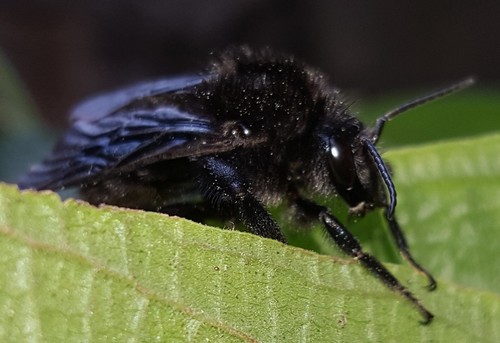
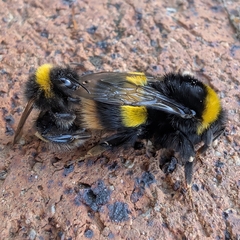
As a bumblebee, Bombus morio shares the typical bumblebee appearance and can be told apart by sex: females have six abdominal segments, males have seven.
Source: Wikipedia
Size
It is among the biggest bumblebee species.
Source: Wikipedia
Does it bite or sting?
The sting is potent and hazardous; serious injury or death can result if not treated properly.
Source: Wikipedia
Where it lives
It lives mainly in Brazilian forests, nesting on the ground surface or slightly below it, especially in mid-land areas.
Source: Wikipedia
What it eats
It uses buzz pollination to collect pollen and mainly forages in the morning.
Source: Wikipedia
Life cycle
Worker bees live about 41 days, and the egg-to-adult development takes roughly 32 days for workers and queens, and 35 days for males.
Source: Wikipedia
When you see it
Foraging activity occurs primarily in the morning.
Source: Wikipedia
More photos
Questions people ask
How dangerous is a Bombus morio sting?
Its sting can be potent and hazardous, potentially causing serious injury or death if not promptly treated.
Source: Wikipedia
Where does Bombus morio nest?
It nests on the ground surface or just below it in forested mid-land areas of Brazil.
Source: Wikipedia
Same family (Apidae)



Sources
- Wikipedia: https://en.wikipedia.org/wiki/Bombus_morio
Look it up elsewhere: GBIF · iNaturalist · BugGuide · ITIS · Wikipedia
Text written 2026-10-23 from the sources above and checked sentence by sentence against them. Data fetched 2026-10-23.