 Bug FAQ
Blue-frosted Banner
Catonephele numilia · Order: Lepidoptera · Family: Nymphalidae
Also called: Blue-frosted Catone, Grecian Shoemaker, Stoplight Catone
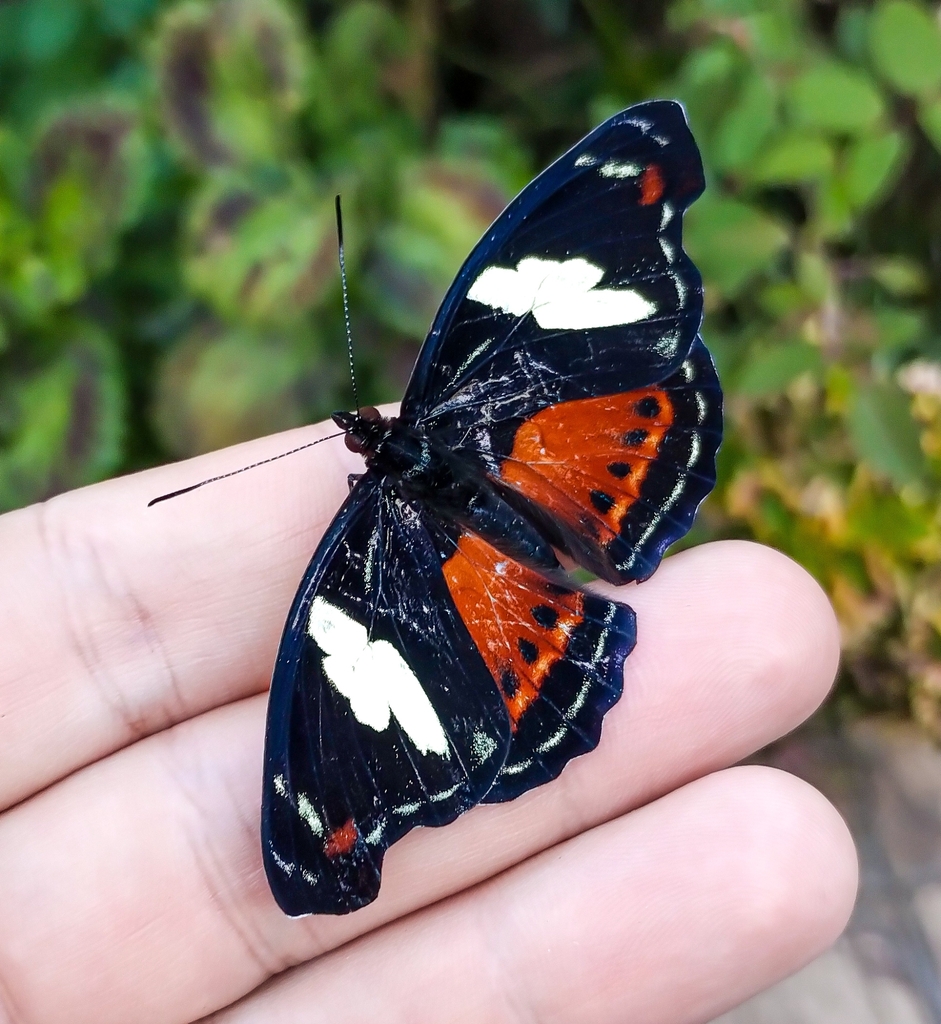
The blue-frosted banner butterfly lives in most of Central and South America. Adults stay near the ground and feed on rotting fruit, while the caterpillars eat Alchornea plants. An adult butterfly typically lives about a month.
Source: Wikipedia
How to recognize it
This butterfly usually flies close to the ground near ripe fruits and flowers.
Source: Wikipedia
Where it lives
It is commonly found flying low around ripe fruits and flowers.
Source: Wikipedia
What it eats
Adults feed on rotten fruits; caterpillars feed on Alchornea species in the Euphorbiaceae family.
Source: Wikipedia
Life cycle
An adult butterfly can live for about one month.
Source: Wikipedia
Where it comes from
It occurs throughout most of Central and South America.
Source: Wikipedia
Questions people ask
How long does an adult blue-frosted banner butterfly live?
An adult lives about a month.
Source: Wikipedia
Same family (Nymphalidae)






Sources
- Wikipedia: https://en.wikipedia.org/wiki/Catonephele_numilia
Look it up elsewhere: GBIF · iNaturalist · BugGuide · Wikipedia
Text written 2026-10-23 from the sources above and checked sentence by sentence against them. Data fetched 2026-10-22.