 Bug FAQ
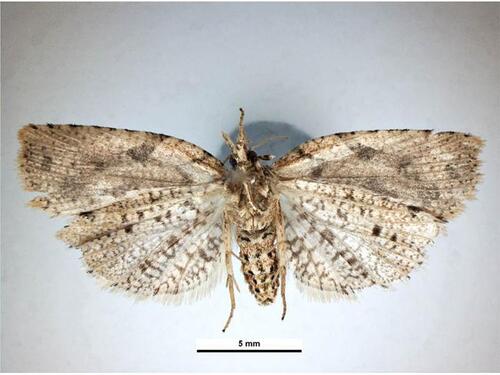
Blackheaded Leafroller
Ctenopseustis obliquana · Order: Lepidoptera · Family: Tortricidae
Also called: brownheaded leafroller
Source: Wikipedia
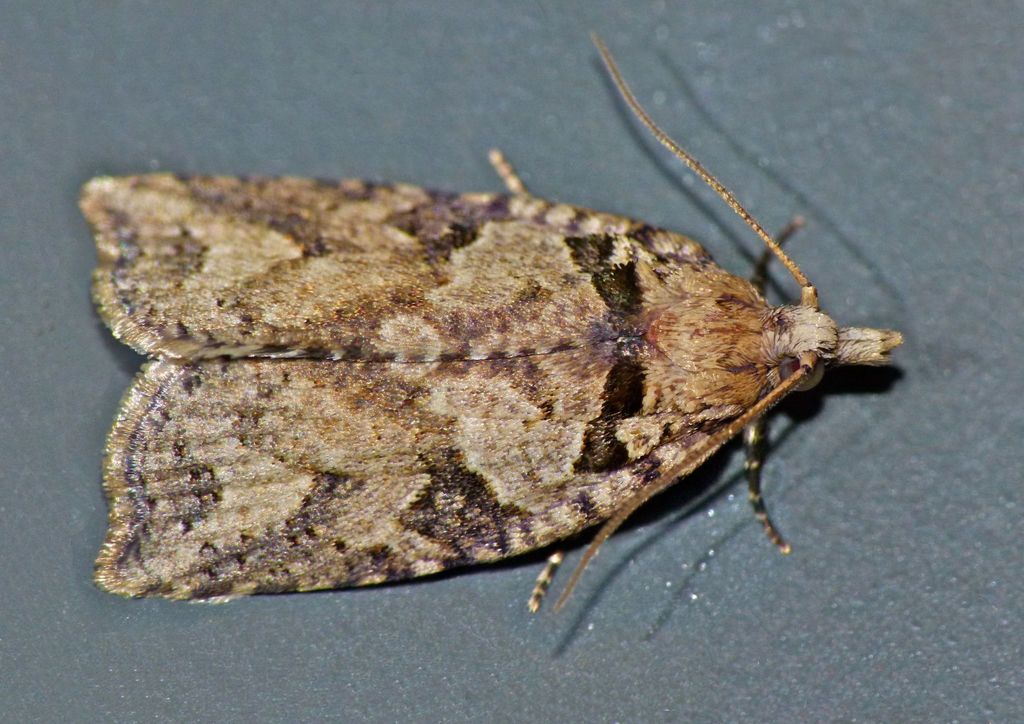
Its wingspan can be up to about 25 mm. It is native to New Zealand and may have been introduced to Hawaii.
Source: Wikipedia
How to recognize it
Ctenopseustis obliquana, the blackheaded leafroller, belongs to the moth family Tortricidae.
Source: Wikipedia
Size
Adults can have a wingspan of up to 25 mm.
Source: Wikipedia
Is it a pest in the house?
It is considered a forestry pest because its larvae can damage trees.
Source: Wikipedia
Where it lives
It occurs naturally in New Zealand and may also be present in Hawaii as an introduced species.
Source: Wikipedia
What it eats
Larvae build silk nests on leaves, stems and buds and feed from those protected sites.
Source: Wikipedia
Where it comes from
Its indigenous range is New Zealand; it might be non-native in Hawaii.
Source: Wikipedia
More photos
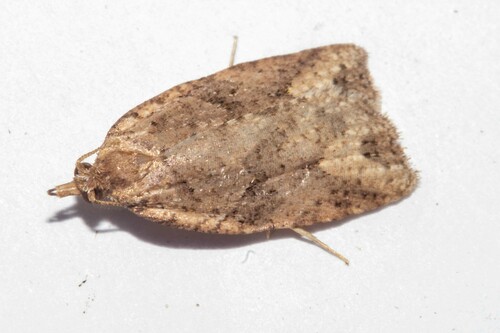
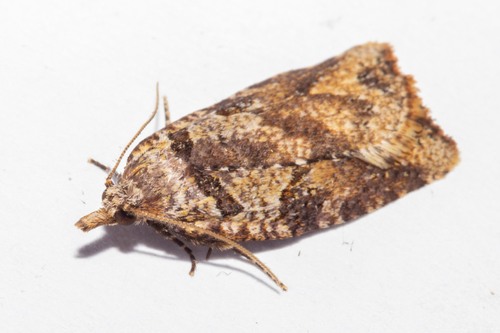
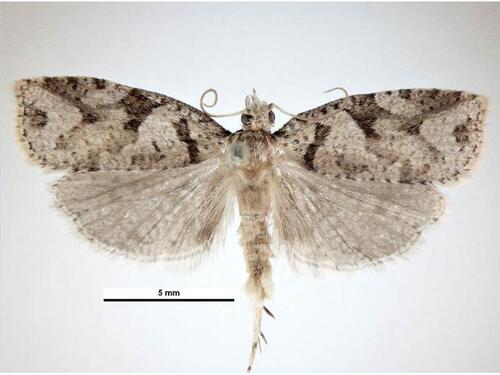
Questions people ask
What plants does the blackheaded leafroller damage?
Its larvae feed on leaves, stems and buds, causing damage to trees and forest vegetation.
Source: Wikipedia
Where is the blackheaded leafroller found?
It is native to New Zealand and may have been introduced to Hawaii.
Source: Wikipedia
How big does the blackheaded leafroller get?
Adults can reach a wingspan of up to about 25 mm.
Source: Wikipedia
Same family (Tortricidae)
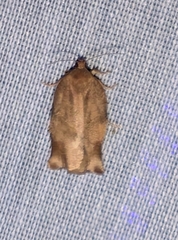 Oblique-banded Leafroller MothChoristoneura rosaceanaDamages trees, gardens or crops
 Garden TortrixClepsis peritanaDamages trees, gardens or crops
 Common MarbleSyricoris lacunanaDamages trees, gardens or crops
 Red-banded Leafroller MothArgyrotaenia velutinanaDamages trees, gardens or crops
 Light Brown Apple MothEpiphyas postvittanaDamages trees, gardens or crops
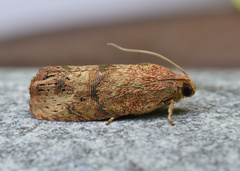 Filbertworm MothCydia latiferreanaDamages trees, gardens or crops
Sources
- Wikipedia: https://en.wikipedia.org/wiki/Ctenopseustis_obliquana
Look it up elsewhere: GBIF · iNaturalist · BugGuide · Wikipedia
Text written 2026-10-23 from the sources above and checked sentence by sentence against them. Data fetched 2026-10-23.