 Bug FAQ
Barred Marble
Celypha striana · Order: Lepidoptera · Family: Tortricidae
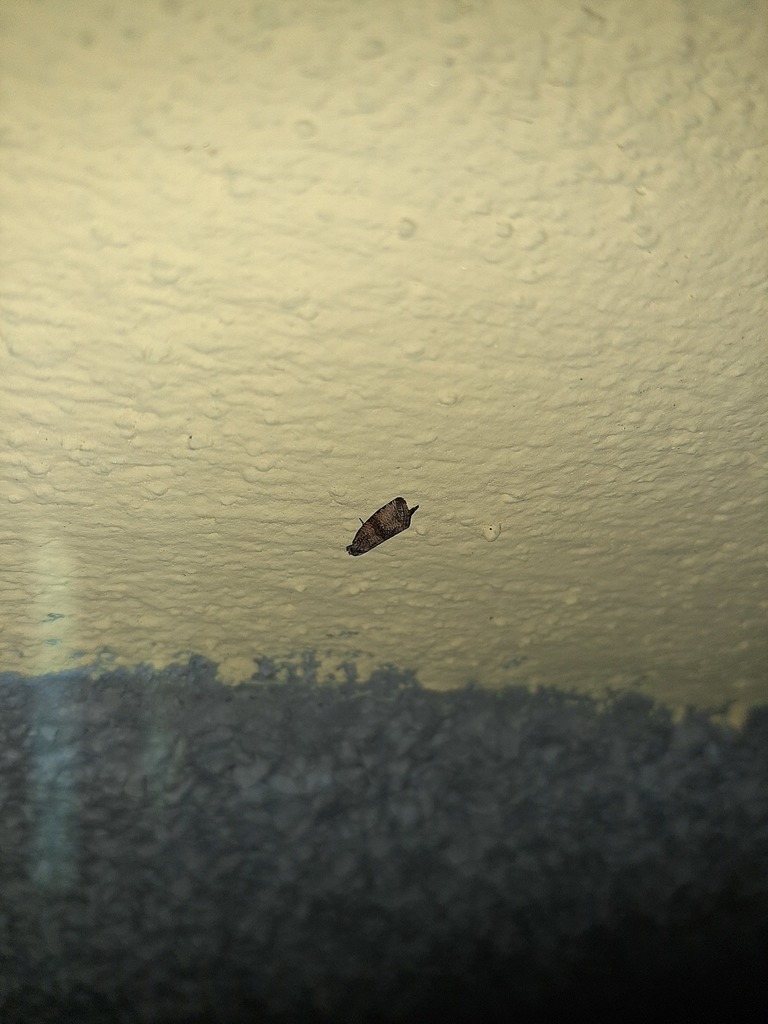
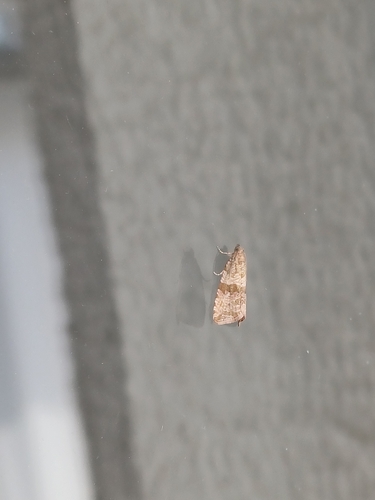
The barred marble moth has a wingspan of about 16 to 22 mm and shows a highly variable colour pattern, usually light ochreous forewings with a dark brown net-like reticulation and a distinct transverse brown band, while the hindwings are gray or pale brown. It lives in open grassy places such as rough meadows and roadsides across most of Europe and the eastern Palearctic, and the adults fly from late May to late September. The larvae feed on dandelion roots, pupate in a cocoon and then hibernate.
Source: Wikipedia
How to recognize it
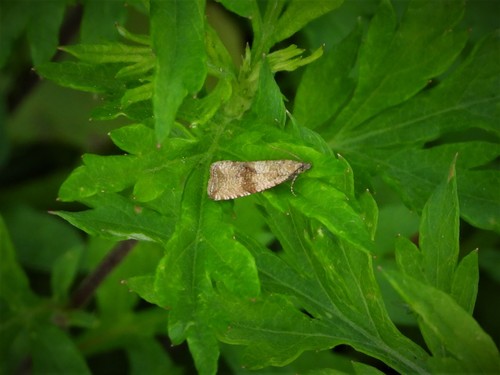
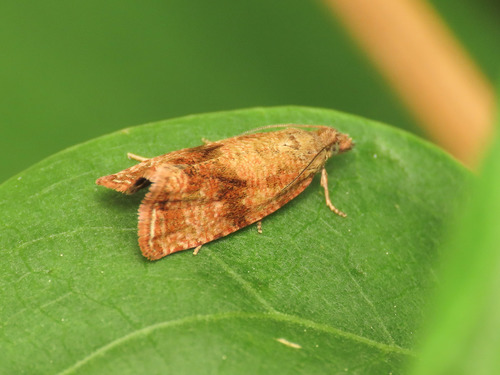
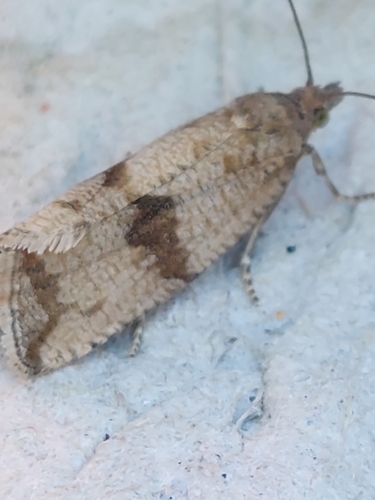
Colouration is very variable, but the forewings are usually light ochreous with fine dark brown netting. A strong dark brown transverse band runs across the middle of the forewings, and brown markings appear along the outer edge. The hindwings are gray or pale brown.
Source: Wikipedia
Size
The wingspan ranges from 16 to 22 mm.
Source: Wikipedia
Life cycle
They pupate inside a cocoon and spend the winter hibernating.
Source: Wikipedia
When you see it
Adults are on the wing from late May through late September.
Source: Wikipedia
Where it comes from
It occurs throughout most of Europe and the eastern Palearctic realm, but not in the far north or northern Asia.
Source: Wikipedia
Lookalikes
Barred marble is a tortricid moth and the type species of the genus Celypha.
Source: Wikipedia
More photos
Questions people ask
When can I see the barred marble moth?
Adults fly from late May until late September.
Source: Wikipedia
Where does this moth live?
It is found in open grassy habitats such as rough meadows and roadsides across most of Europe and the eastern Palearctic.
Source: Wikipedia
How can I recognize the barred marble moth?
It has a 16 to 22 mm wingspan, light ochreous forewings with fine dark brown netting, a dark transverse band across the middle, and gray or pale brown hindwings.
Source: Wikipedia
Same family (Tortricidae)
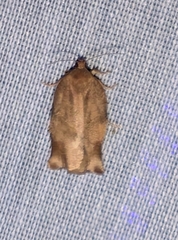 Oblique-banded Leafroller MothChoristoneura rosaceanaDamages trees, gardens or crops
 Garden TortrixClepsis peritanaDamages trees, gardens or crops
 Common MarbleSyricoris lacunanaDamages trees, gardens or crops
 Red-banded Leafroller MothArgyrotaenia velutinanaDamages trees, gardens or crops
 Light Brown Apple MothEpiphyas postvittanaDamages trees, gardens or crops
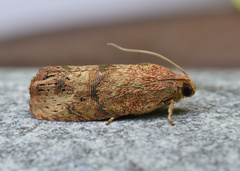 Filbertworm MothCydia latiferreanaDamages trees, gardens or crops
Sources
- Wikipedia: https://en.wikipedia.org/wiki/Celypha_striana
Look it up elsewhere: GBIF · iNaturalist · BugGuide · Wikipedia
Text written 2026-10-22 from the sources above and checked sentence by sentence against them. Data fetched 2026-10-22.