 Bug FAQ
Ateuchus texanus
Ateuchus texanus · Order: Coleoptera · Family: Scarabaeidae
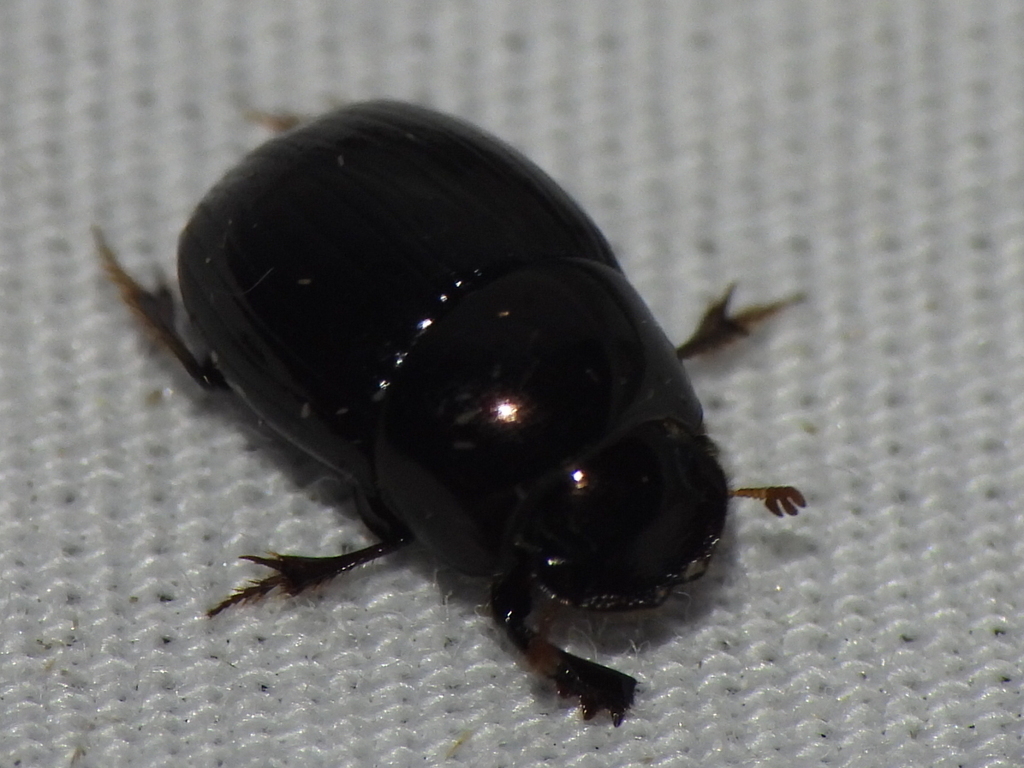
Ateuchus texanus is a dung beetle that belongs to the family Scarabaeidae. All listed sources describe it simply as a dung-beetle species without mentioning any harmful effects.
Source: Wikipedia
How to recognize it
Ateuchus texanus is classified in the dung beetle family Scarabaeidae.
Source: Wikipedia
Is it a pest in the house?
It is noted as a dung beetle, with no specific household pest information.
Source: Wikipedia
Where it lives
It lives as a dung beetle, typical of its family.
Source: Wikipedia
What it eats
Its diet is that of a dung beetle, feeding on dung.
Source: Wikipedia
Life cycle
Its life cycle follows the pattern of dung beetles in the Scarabaeidae family.
Source: Wikipedia
When you see it
Seasonal activity is described only as that of a dung beetle.
Source: Wikipedia
Where it comes from
The species is recorded as a dung beetle in the family Scarabaeidae.
Source: Wikipedia
Lookalikes
No other species are listed as look-alikes; it is described only as a dung beetle.
Source: Wikipedia
Where it is found in the US
Recorded in 1 of 51 states and DC. Most records: Texas.
Darker = more records. Counts are museum and citizen-science records, not population size.
Source: GBIF
Months it is reported in the US
Source: GBIF
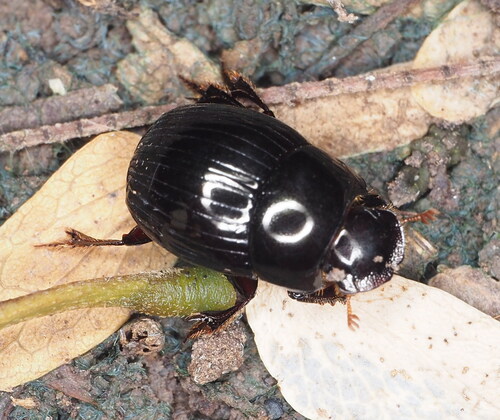
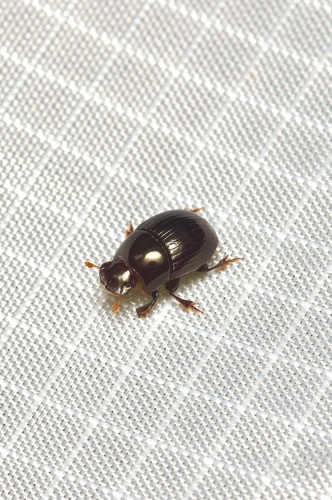
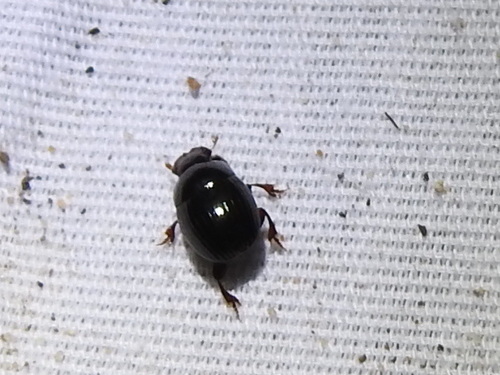
More photos
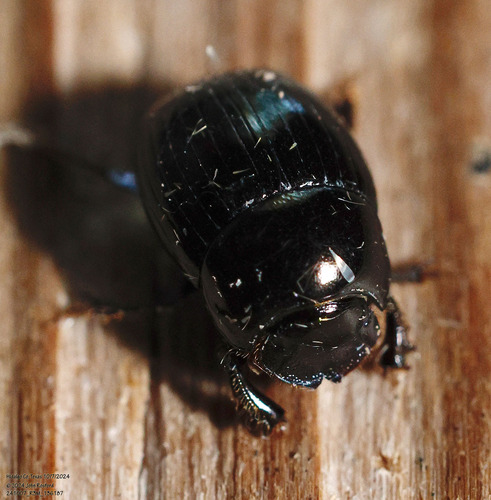
Questions people ask
What family does Ateuchus texanus belong to?
It belongs to the dung beetle family Scarabaeidae.
Source: Wikipedia
Is Ateuchus texanus a household pest?
The sources only identify it as a dung beetle and do not describe it as a household pest.
Source: Wikipedia
Same family (Scarabaeidae)
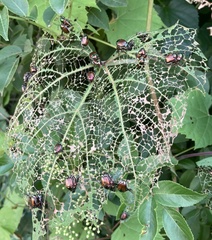 Japanese BeetlePopillia japonicaDamages trees, gardens or crops
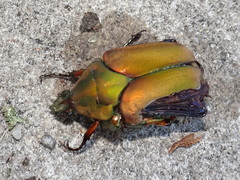 Common Green June BeetleCotinis nitidaDamages trees, gardens or crops
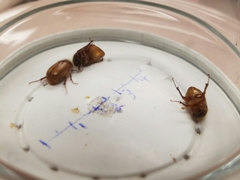 Phyllophaga crinitaDamages trees, gardens or crops
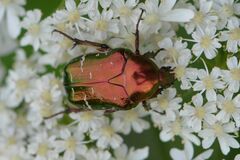 European Rose ChaferCetonia aurata
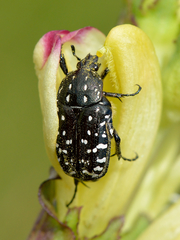 Mediterranean Spotted ChaferOxythyrea funestaDamages trees, gardens or crops
 Oriental BeetleExomala orientalisDamages trees, gardens or crops
Sources
- Wikipedia: https://en.wikipedia.org/wiki/Ateuchus_texanus
Look it up elsewhere: GBIF · iNaturalist · BugGuide · ITIS · Wikipedia
Text written 2026-10-26 from the sources above and checked sentence by sentence against them. Data fetched 2026-10-26.