 Bug FAQ
Apefly
Spalgis epius · Order: Lepidoptera · Family: Lycaenidae
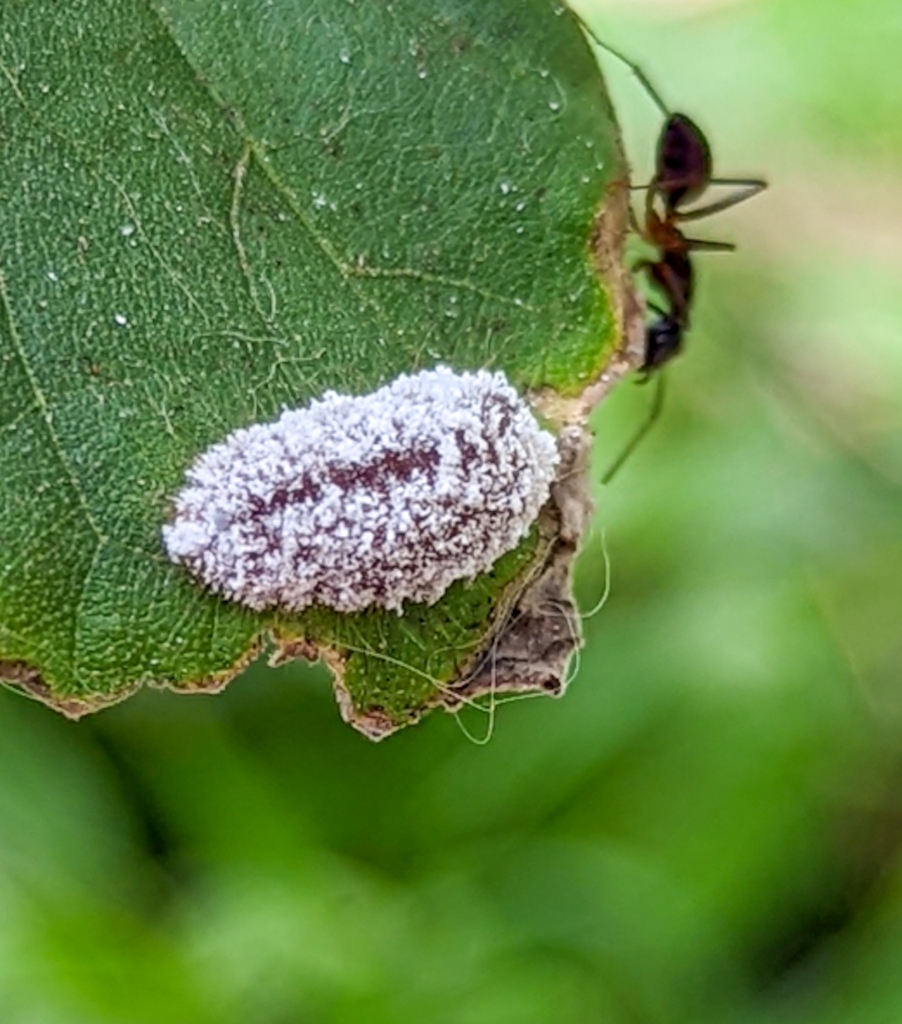
The apefly is a small butterfly found in the Indomalayan region and belongs to the lycaenid family. Its upper wings are dull brown with a whitish quadrate spot near the forewing apex, while the underside is pale brownish-white with fine dark brown strigae and a dark anteciliary line. Caterpillars prey on scale insects such as mealybugs and the species does not have ant associations.
Source: Wikipedia
How to recognize it
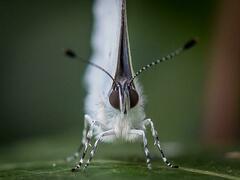
The upperside is dull brown, darker toward the forewing tip, with a whitish quadrate spot beyond the cell apex; the underside is pale silky brown-white crossed by many thin dark brown sinuous lines edged with lighter brown-white, and both wings have a dark brown anteciliary line.
Source: Wikipedia
What it eats
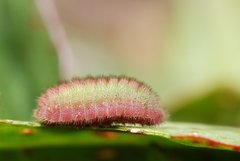
The caterpillars are entomophagous, feeding on scale insects such as mealybugs.
Source: Wikipedia
Life cycle
Unlike many lycaenids, this species does not have mutualistic relationships with ants.
Source: Wikipedia
Where it comes from
The apefly occurs in the Indomalayan realm.
Source: Wikipedia
More photos
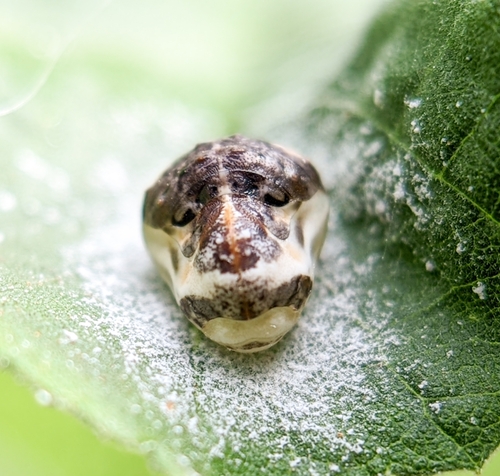
Same family (Lycaenidae)

Sources
- Wikipedia: https://en.wikipedia.org/wiki/Spalgis_epius
Look it up elsewhere: GBIF · iNaturalist · BugGuide · Wikipedia
Text written 2026-10-23 from the sources above and checked sentence by sentence against them. Data fetched 2026-10-22.