 Bug FAQ
Ant-lion
Myrmeleon formicarius · Order: Neuroptera · Family: Myrmeleontidae
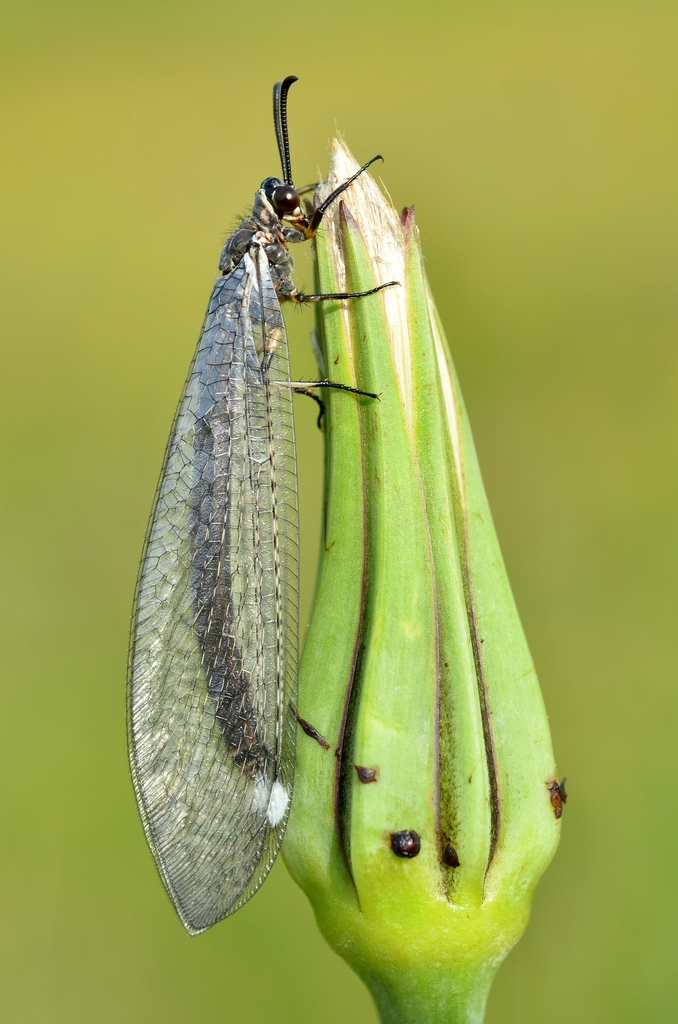
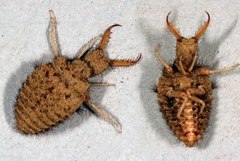
The larva of Myrmeleon formicarius has a mostly black head, though dirt can hide this feature. Adult antlions of this species lack black spots on their wings. It occurs in the Opglabbekerzavel nature reserve near Genk, Belgium, as recorded in 2020. It is often confused with the similar species Euroleon nostras.
Source: Wikipedia
How to recognize it
Larvae have a largely black head, but fine particles can cling to the many head hairs and obscure it. Adults lack black flecks in their wing coloration.
Source: Wikipedia
Where it lives
The species was recorded in the Opglabbekerzavel nature reserve in Genk in 2020.
Source: Wikipedia
Where it comes from
Myrmeleon formicarius is native to Belgium and other European regions.
Source: Wikipedia
Lookalikes
It is frequently mistaken for the similar antlion Euroleon nostras.
Source: Wikipedia
More photos
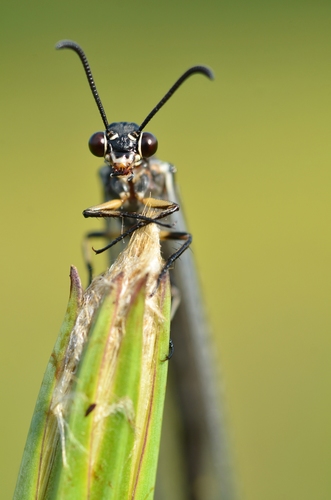
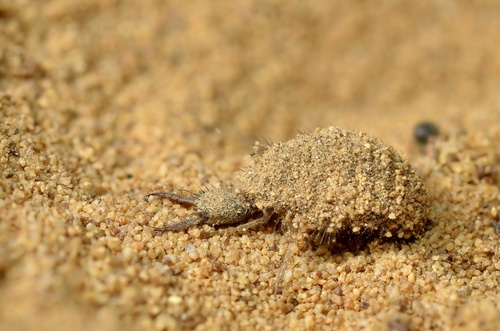
Same family (Myrmeleontidae)
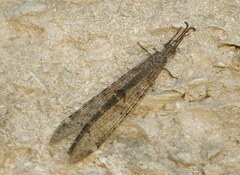


Sources
- Wikipedia: https://en.wikipedia.org/wiki/Myrmeleon_formicarius
Look it up elsewhere: GBIF · iNaturalist · BugGuide · ITIS · Wikipedia
Text written 2026-10-23 from the sources above and checked sentence by sentence against them. Data fetched 2026-10-22.