 Bug FAQ
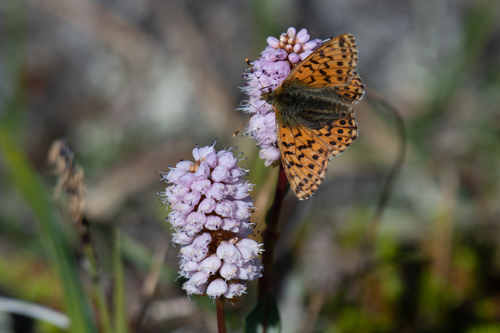
Alaskan Fritillary
Boloria alaskensis · Order: Lepidoptera · Family: Nymphalidae
Also called: Mountain Fritillary
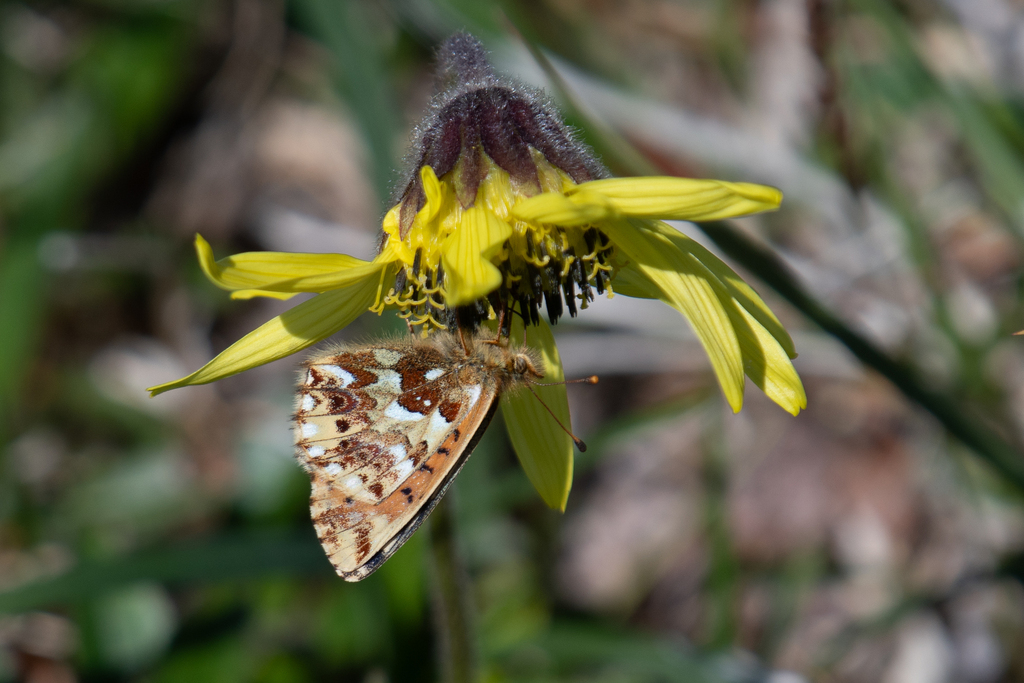
The Alaskan fritillary (Boloria alaskensis) is a fritillary butterfly in the Nymphalidae family. It was described in 1900 and occurs in North America and northern European Russia. Its caterpillars feed on false bistort and alpine smartweed, and it looks very similar to Boloria pales.
Source: Wikipedia
How to recognize it
Boloria alaskensis, called the Alaskan or mountain fritillary, belongs to the butterfly family Nymphalidae.
Source: Wikipedia
Where it is found in the US
Recorded in 5 of 51 states and DC. Most records: Alaska, Wyoming, Kansas, New Hampshire, Washington.
Darker = more records. Counts are museum and citizen-science records, not population size.
Source: GBIF
Status: native in North America; native in Canada. Source: iNaturalist
Months it is reported in the US
Source: GBIF
More photos
Questions people ask
What plants do Alaskan fritillary caterpillars eat?
The caterpillars feed on false bistort and alpine smartweed.
Source: Wikipedia
Where is the Alaskan fritillary found?
It occurs in North America and north-European Russia.
Source: Wikipedia
What other butterfly looks like the Alaskan fritillary?
It is very similar to Boloria pales.
Source: Wikipedia
Same family (Nymphalidae)






Sources
- Wikipedia: https://en.wikipedia.org/wiki/Boloria_alaskensis
Look it up elsewhere: GBIF · iNaturalist · BugGuide · ITIS · Wikipedia
Text written 2026-10-23 from the sources above and checked sentence by sentence against them. Data fetched 2026-10-23.