 Bug FAQ
Abrupt Digger Bee
Anthophora abrupta · Order: Hymenoptera · Family: Apidae
Also called: Chimney Bee
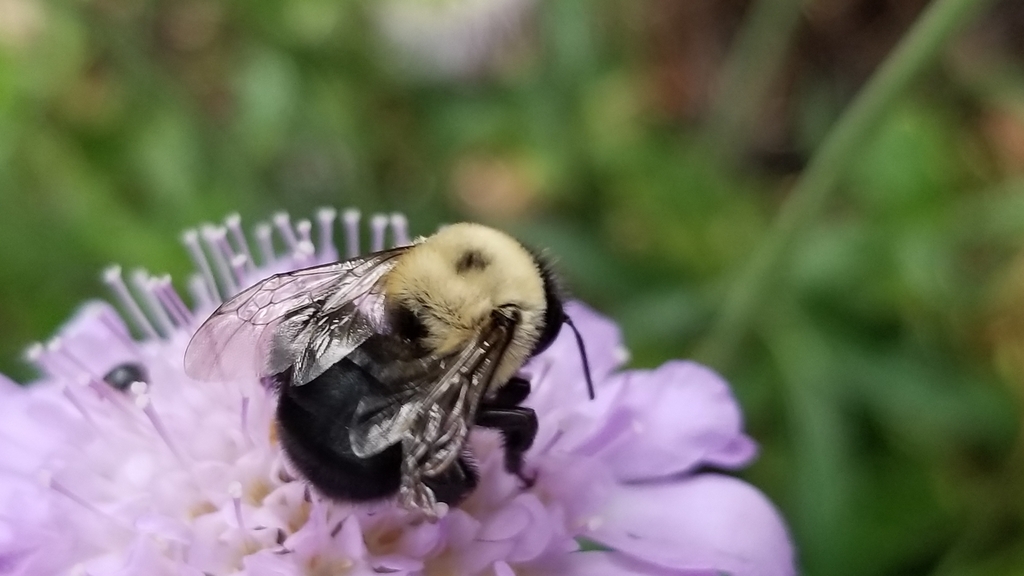
The Abrupt Digger Bee lives in North America. It also originates from North America. Females mate only once while males can mate many times, and they build nests together, attracting other females with movements and pheromones.
Source: Wikipedia
Where it lives
Found in North America.
Source: Wikipedia
Life cycle
Females mate only once; males may mate multiple times. Nesting is gregarious, one female’s activity and pheromones draw others to build nests nearby.
Source: Wikipedia
Where it comes from
Native to North America.
Source: Wikipedia
Where it is found in the US
Recorded in 32 of 51 states and DC. Most records: Texas, North Carolina, Virginia, Illinois, Missouri, Maryland, Ohio, Louisiana.
Darker = more records. Counts are museum and citizen-science records, not population size.
Source: GBIF
Status: native in North America; native in Canada; native in United States. Source: iNaturalist
Months it is reported in the US
Source: GBIF
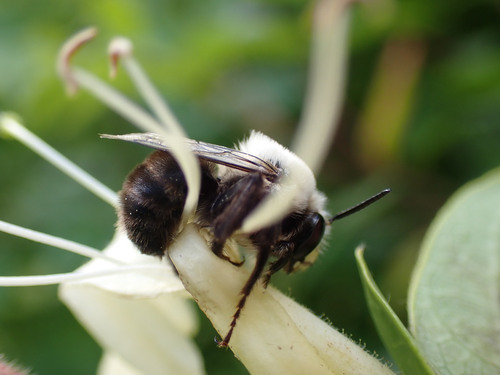
More photos
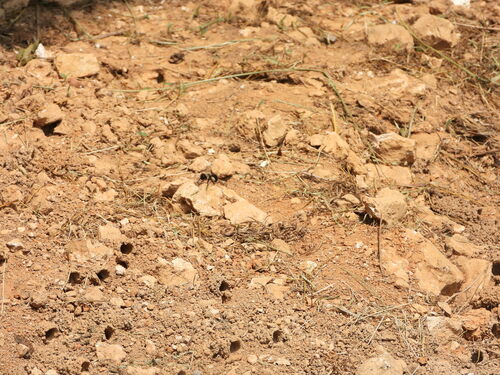
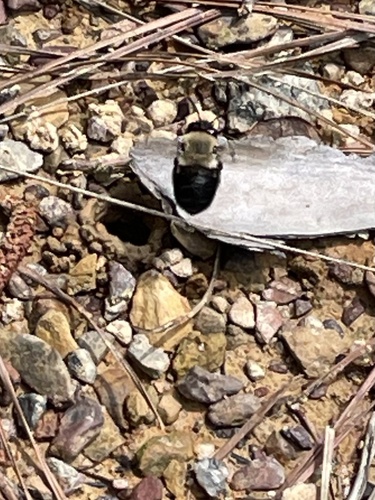
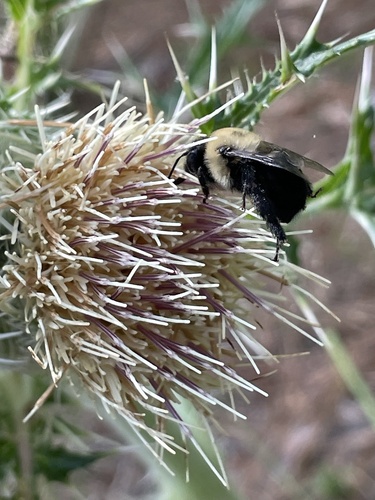
Questions people ask
Do Abrupt Digger Bee females mate more than once?
No, females mate only once; males can mate multiple times.
Source: Wikipedia
Do these bees nest alone or together?
They nest gregariously, with other females attracted by movements and pheromones.
Source: Wikipedia
Same family (Apidae)



Sources
- Wikipedia: https://en.wikipedia.org/wiki/Anthophora_abrupta
Look it up elsewhere: GBIF · iNaturalist · BugGuide · ITIS · Wikipedia
Text written 2026-10-23 from the sources above and checked sentence by sentence against them. Data fetched 2026-10-22.