 Bug FAQ
Woodland snowmelt mosquito
Aedes excrucians · Order: Diptera · Family: Culicidae
Source: Wikipedia
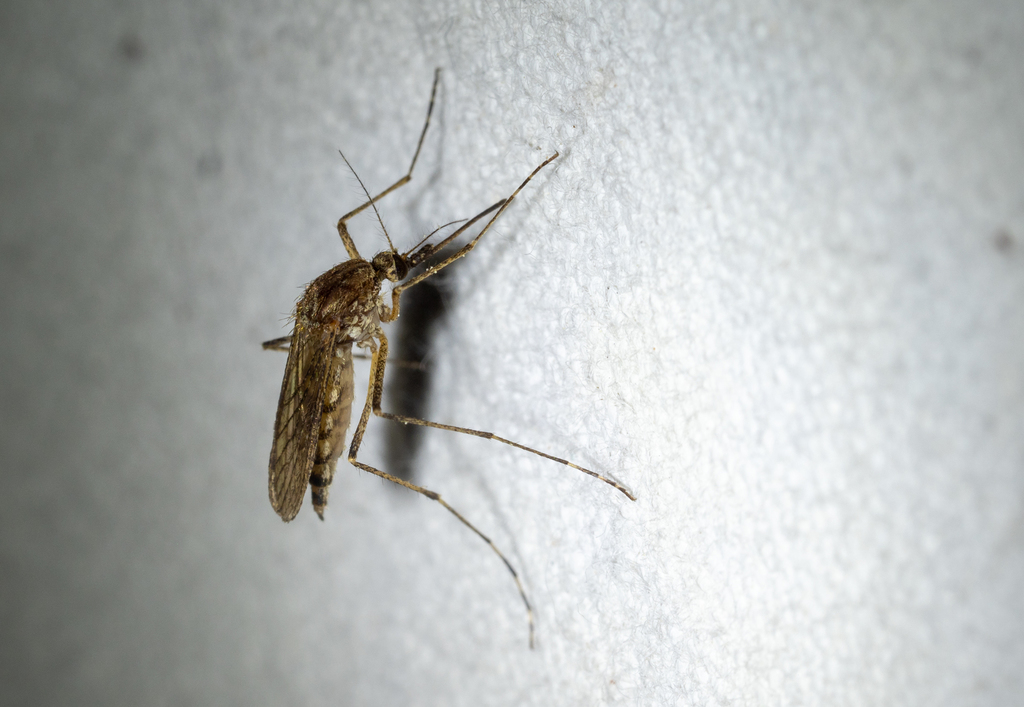
The larvae are large with a long, thin siphon whose pecten teeth are detached, which helps tell it apart from similar species. Adults emerge in May, live into August, and the species breeds in early-spring snow-melt pools.
Source: Wikipedia
Size
The larvae are relatively large, and adults can be found through August.
Source: Wikipedia
Is it a pest in the house?
Its bite can be irritating, and it has been linked to transmitting dog heartworm.
Source: Wikipedia
Does it bite or sting?
The bite is irritating, and the species can spread dog heartworm.
Source: Wikipedia
Where it lives
They develop in pools that form from melting snow in early spring.
Source: Wikipedia
What it eats
Females lay eggs near snow-pools that later dry down.
Source: Wikipedia
Life cycle
Eggs are deposited around drying snow-pools and remain dormant until the next spring.
Source: Wikipedia
When you see it
Adults emerge in May and stay active through the summer. Larvae are present in early spring, especially April.
Source: Wikipedia
Where it comes from
It is common across northern North America, including the United States, Canada and Alaska. It also occurs in Europe and northern Asia, but not in China.
Source: Wikipedia
Lookalikes
Its larval development is usually at least two instars behind Aedes communis.
Source: Wikipedia
Where it is found in the US
Recorded in 19 of 51 states and DC. Most records: Alaska, Massachusetts, Wisconsin, Michigan, Montana, Vermont, Connecticut, New Hampshire.
Darker = more records. Counts are museum and citizen-science records, not population size.
Source: GBIF
Status: native in North America; native in Canada. Source: iNaturalist
Months it is reported in the US
Source: GBIF
More photos
Questions people ask
Can they spread disease to pets?
They have been implicated in transmitting dog heartworm.
Source: Wikipedia
When do they appear?
Larvae appear in early spring, and adults emerge in May and persist through summer.
Source: Wikipedia
How can I tell them apart from similar mosquitoes?
Look for a long, slender siphon with detached pecten teeth on the larvae.
Source: Wikipedia
Same family (Culicidae)
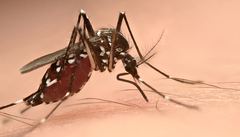 Asian Tiger MosquitoAedes albopictusCan spread germs or disease
 House Mosquito ComplexCulex pipiensCan spread germs or disease
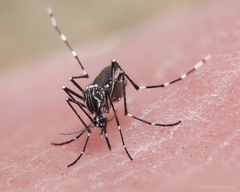 Yellow Fever MosquitoAedes aegyptiCan spread germs or disease
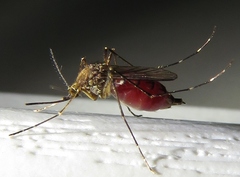 Inland Floodwater MosquitoAedes vexansCan spread germs or disease
 Asian Bush MosquitoAedes japonicusCan bite
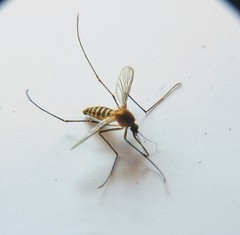 Southern House MosquitoCulex quinquefasciatusCan spread germs or disease
Sources
- Wikipedia: https://en.wikipedia.org/wiki/Aedes_excrucians
Look it up elsewhere: GBIF · iNaturalist · BugGuide · ITIS · Wikipedia
Text written 2026-10-23 from the sources above and checked sentence by sentence against them. Data fetched 2026-10-23.