 Bug FAQ
Southern House Mosquito
Culex quinquefasciatus · Order: Diptera · Family: Culicidae
Also called: mosquito
Source: Wikipedia
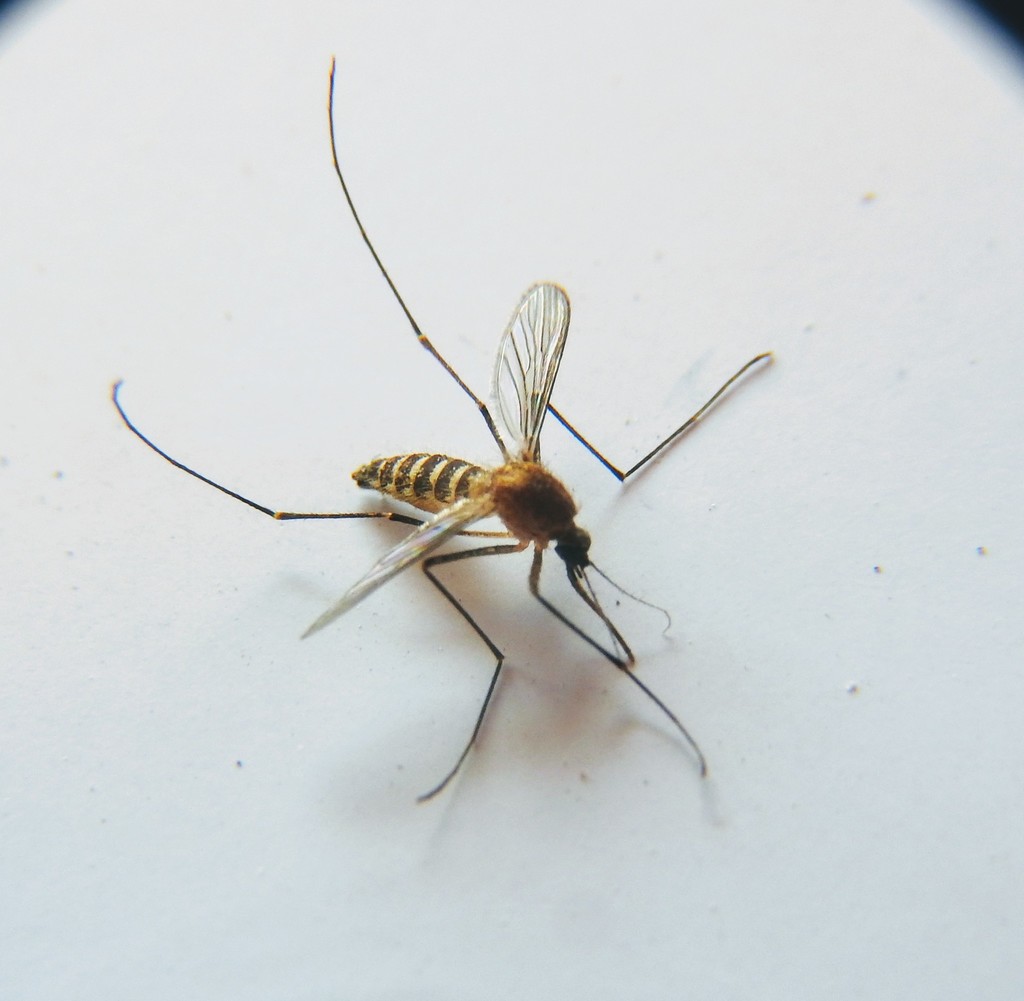
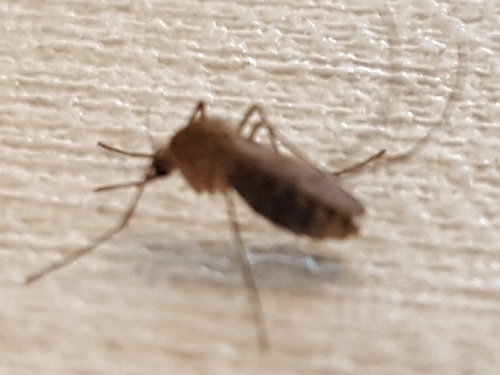
Adult southern house mosquitoes are medium-sized, brown insects about 4 mm long, with darker proboscis, thorax, wings and tarsi. Females lay eggs at night in nutrient-rich standing water, and both sexes feed on plant sugars; females also need blood meals from birds or mammals for egg development. The larvae develop in water over 5 to 8 days at warm temperatures, passing through four instars before pupating.
Source: Wikipedia
How to recognize it
Males have large palps and feathery antennae, which distinguishes them from females.
Source: Wikipedia
Is it a pest in the house?
They are among the most common peridomestic mosquitoes and are called the southern house mosquito.
Source: Wikipedia
Does it bite or sting?
They prefer bird blood but will also bite humans.
Source: Wikipedia
Where it lives
Mature females fly at night to stand-still, nutrient-rich water to lay eggs.
Source: Wikipedia
What it eats
Both sexes sip sugar from plants, and after mating females seek blood from birds or mammals for egg production.
Source: Wikipedia
Life cycle
Larvae eat organic matter in water and need 5 to 8 days at 30 °C to develop, passing through four instars before becoming pupae.
Source: Wikipedia
When you see it
Females are active at night for egg-laying, and the species rests in trees and high places.
Source: Wikipedia
Where it comes from
Its original range is unclear; it may have come from West African lowlands or Southeast Asia.
Source: Wikipedia
Lookalikes
They belong to the Culex pipiens species complex.
Source: Wikipedia
Where it is found in the US
Recorded in 24 of 51 states and DC. Most records: Texas, California, Florida, Nevada, Hawaii, Georgia, Alabama, Michigan.
Darker = more records. Counts are museum and citizen-science records, not population size.
Source: GBIF
Status: introduced in North America; introduced in United States. Source: iNaturalist
Months it is reported in the US
Source: GBIF
More photos
Questions people ask
Do southern house mosquitoes bite humans?
Yes, they will bite humans although they prefer birds.
Source: Wikipedia
Can they spread disease?
They can transmit several zoonotic diseases, including West Nile fever and St. Louis encephalitis.
Source: Wikipedia
Where do they lay their eggs?
Females lay eggs at night in nutrient-rich standing water.
Source: Wikipedia
How can I tell male from female mosquitoes?
Males have larger palps and feathery antennae compared with females.
Source: Wikipedia
Same family (Culicidae)
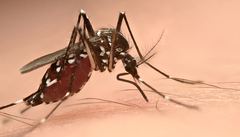 Asian Tiger MosquitoAedes albopictusCan spread germs or disease
 House Mosquito ComplexCulex pipiensCan spread germs or disease
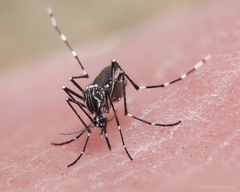 Yellow Fever MosquitoAedes aegyptiCan spread germs or disease
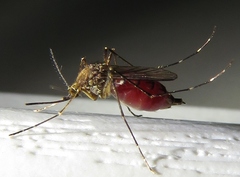 Inland Floodwater MosquitoAedes vexansCan spread germs or disease
 Asian Bush MosquitoAedes japonicusCan bite
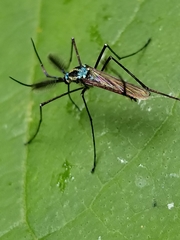 Elephant MosquitoToxorhynchites rutilusHarmless
Sources
- Wikipedia: https://en.wikipedia.org/wiki/Culex_quinquefasciatus
Look it up elsewhere: GBIF · iNaturalist · BugGuide · ITIS · Wikipedia
Text written 2026-10-22 from the sources above and checked sentence by sentence against them. Data fetched 2026-10-22.