 Bug FAQ
Woodland Pool Mosquito
Aedes canadensis · Order: Diptera · Family: Culicidae
Source: Wikipedia
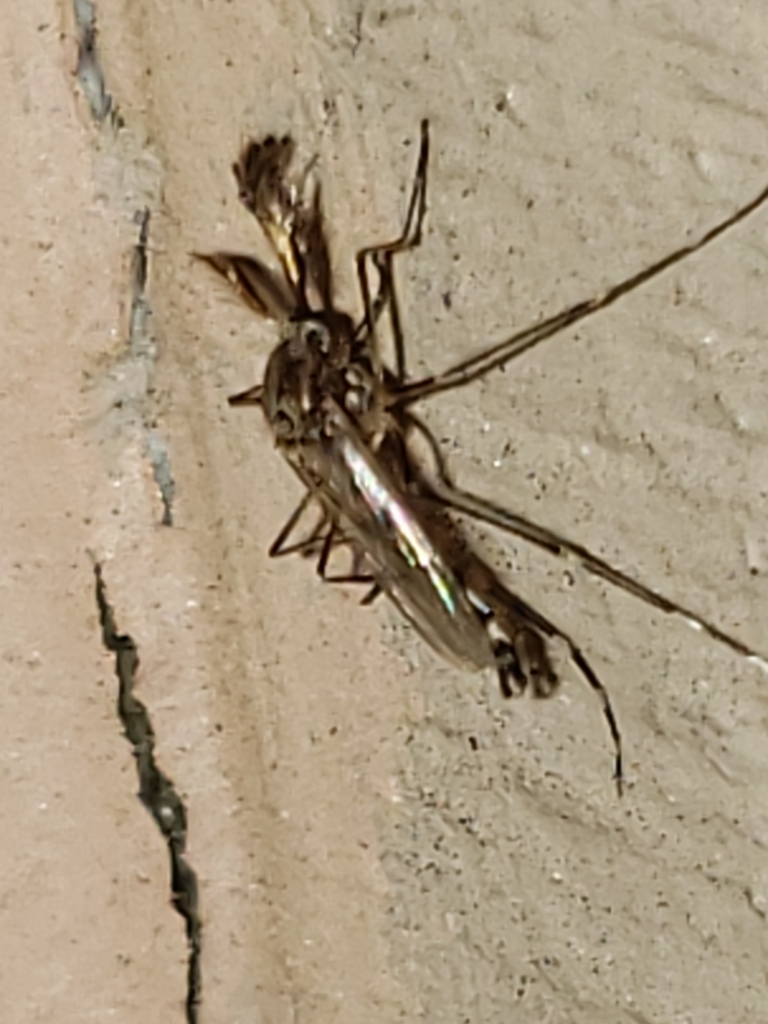
Females feed on the blood of many animals, including humans, while males feed on nectar.
Source: Wikipedia
How to recognize it
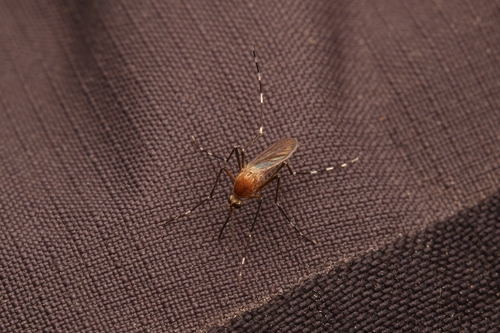
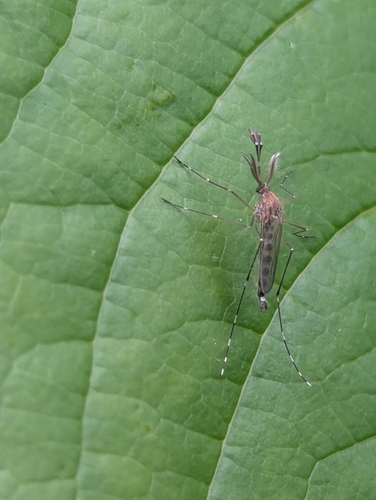
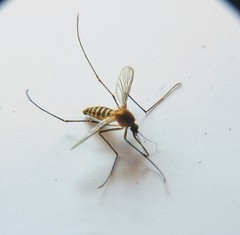
Adults have dark bodies, females often reddish, with white bands at the ends of each tarsal segment.
Source: Wikipedia
Does it bite or sting?
Females bite people more often in western regions, especially in shade and during daylight hours.
Source: Wikipedia
Where it lives
Larvae develop in temporary or semi-permanent woodland pools with leaf litter and shade. They are also found in swamps, marshes with reeds or cattails, muskeg pools, peat bogs, and sometimes open prairie pools.
Source: Wikipedia
What it eats
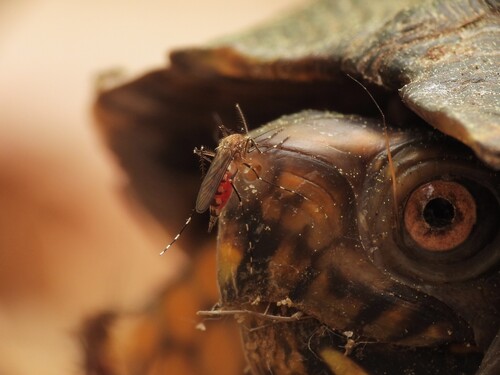
Females take blood meals from a wide range of animals, birds and reptiles. Males swarm in the early evening and feed on nectar from orchids.
Source: Wikipedia
Life cycle
They overwinter as eggs, with large numbers of larvae hatching in late winter and spring. Larvae may appear after spring because eggs either do not enter diapause or hatch in a staggered fashion.
Source: Wikipedia
When you see it
In the west they bite persistently throughout most of the day, especially in shaded spots.
Source: Wikipedia
Where it comes from
It occurs across North America from the Yukon and Washington east to Newfoundland and south to Florida, Texas, and into Mexico.
Source: Wikipedia
Lookalikes
It often occurs with other Aedes species, requiring a microscope and key for reliable identification.
Source: Wikipedia
Where it is found in the US
Recorded in 40 of 51 states and DC. Most records: Virginia, Maryland, Massachusetts, Wisconsin, Illinois, Alabama, Florida, Michigan.
Darker = more records. Counts are museum and citizen-science records, not population size.
Source: GBIF
Status: native in North America; native in Canada. Source: iNaturalist
Months it is reported in the US
Source: GBIF
More photos
Questions people ask
Do they bite people?
Yes, especially in western North America where they bite persistently in shaded areas during the day.
Source: Wikipedia
Where do the larvae develop?
In temporary or semi-permanent woodland pools with leaf litter and shade, as well as swamps, marshes, muskeg pools, peat bogs, and sometimes open prairie pools.
Source: Wikipedia
What do the adults eat?
Females feed on blood from many animals, birds and reptiles; males feed on nectar, such as from orchids.
Source: Wikipedia
What is their geographic range?
They are native to North America, from the Yukon and Washington east to Newfoundland and south to Florida, Texas, and into Mexico.
Source: Wikipedia
Same family (Culicidae)
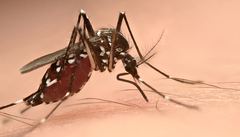 Asian Tiger MosquitoAedes albopictusCan spread germs or disease
 House Mosquito ComplexCulex pipiensCan spread germs or disease
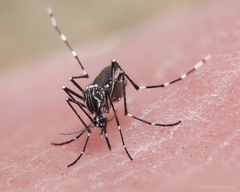 Yellow Fever MosquitoAedes aegyptiCan spread germs or disease
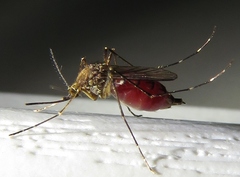 Inland Floodwater MosquitoAedes vexansCan spread germs or disease
 Asian Bush MosquitoAedes japonicusCan bite
 Southern House MosquitoCulex quinquefasciatusCan spread germs or disease
Sources
- Wikipedia: https://en.wikipedia.org/wiki/Aedes_canadensis
Look it up elsewhere: GBIF · iNaturalist · BugGuide · ITIS · Wikipedia
Text written 2026-10-23 from the sources above and checked sentence by sentence against them. Data fetched 2026-10-23.