 Bug FAQ
Wide-brand Grass-dart
Suniana sunias · Order: Lepidoptera · Family: Hesperiidae
Source: Wikipedia
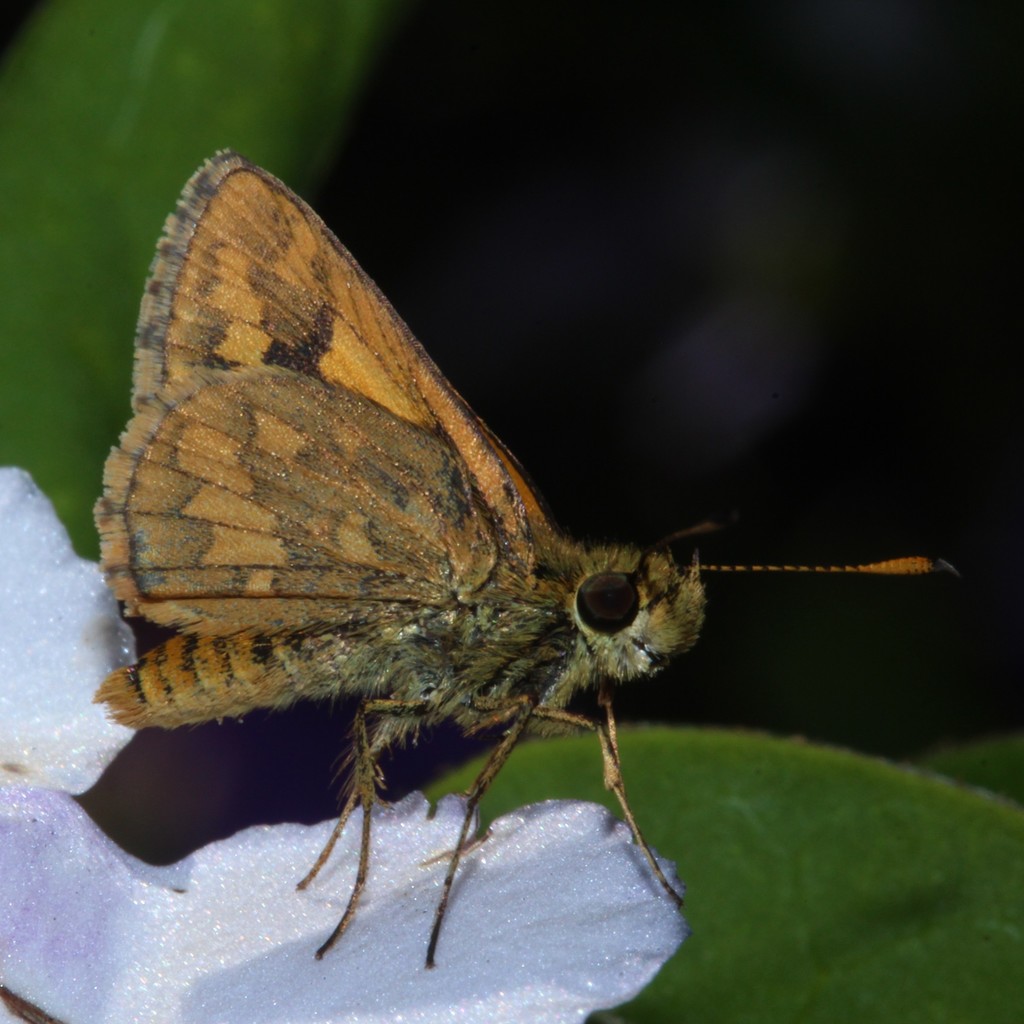
The wide-brand grass-dart has a wingspan of about 25 mm. It lives in parts of Indonesia, Australia, Papua New Guinea and the Solomon Islands. Caterpillars eat sorghum, several grass species and related plants, which can affect crops.
Source: Wikipedia
How to recognize it
Suniana sunias belongs to the skipper butterfly family Hesperiidae.
Source: Wikipedia
Size
Adults have a wingspan of roughly 25 mm.
Source: Wikipedia
Life cycle
Caterpillars rest in shelters they build from host-plant blades tied together with silk.
Source: Wikipedia
Where it comes from
Its native range includes Indonesia, Australia, Papua New Guinea and the Solomon Islands.
Source: Wikipedia
More photos

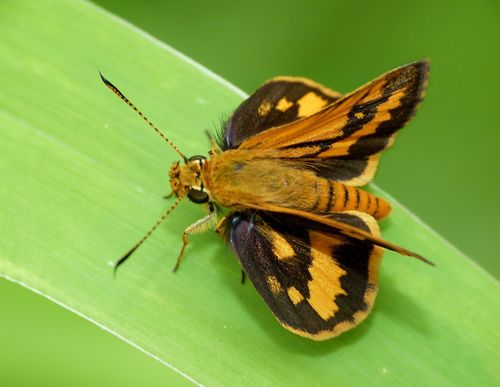
Questions people ask
What plants do the caterpillars of the wide-brand grass-dart eat?
They feed on sorghum and several grass species, including Paspalum, Panicum and Leersia.
Source: Wikipedia
Where is the wide-brand grass-dart found?
It occurs in Indonesia, Australia, Papua New Guinea and the Solomon Islands.
Source: Wikipedia
Same family (Hesperiidae)




Sources
- Wikipedia: https://en.wikipedia.org/wiki/Suniana_sunias
Look it up elsewhere: GBIF · iNaturalist · BugGuide · Wikipedia
Text written 2026-10-22 from the sources above and checked sentence by sentence against them. Data fetched 2026-10-22.