 Bug FAQ
Walnut Sphinx
Amorpha juglandis · Order: Lepidoptera · Family: Sphingidae
Also called: Walnut Sphinx Moth
Source: Wikipedia
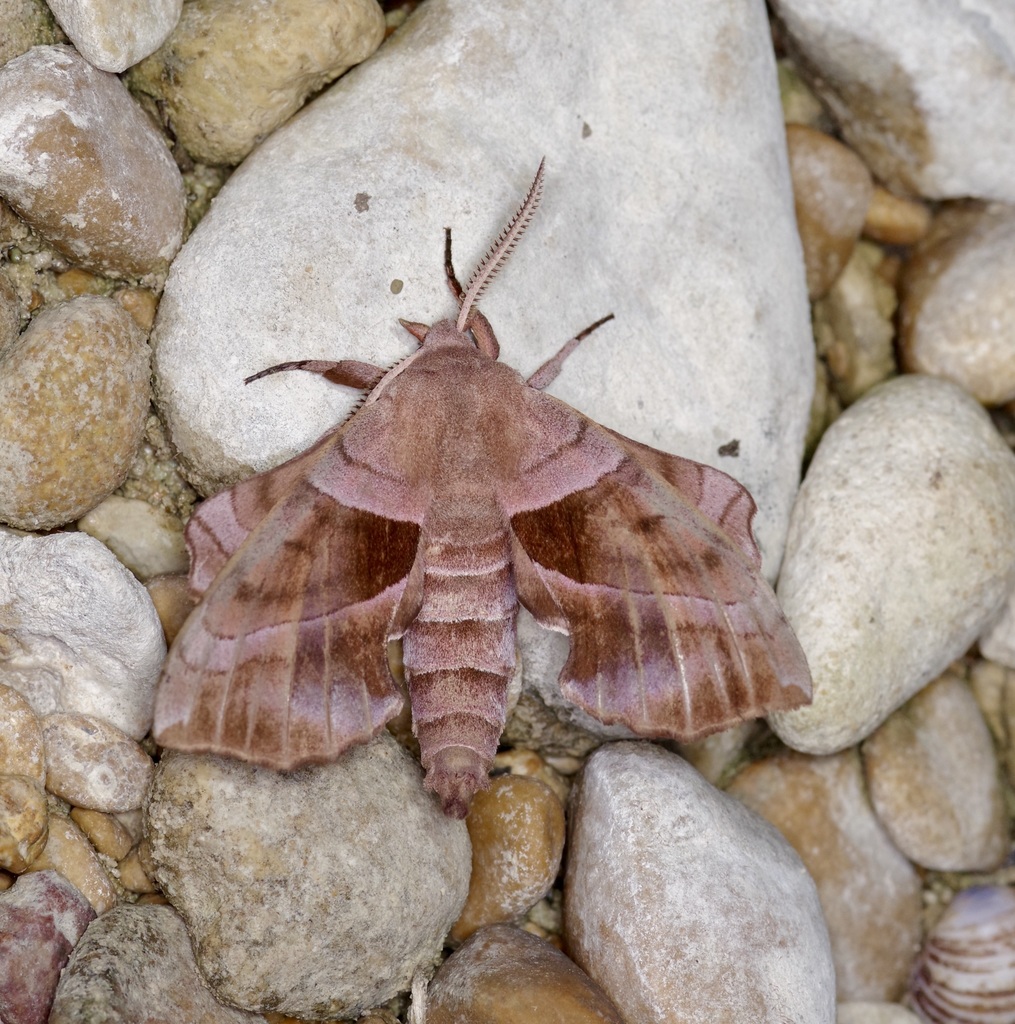
The Walnut Sphinx moth has a wingspan of about 45 to 75 mm. Adults are active at night, especially in the early hours. It lives across North America from the Atlantic coast to the Rockies.
Source: Wikipedia
How to recognize it
Adults are nocturnal and are most active in the first part of the night.
Source: Wikipedia
Size
The wingspan ranges from 45 mm up to 75 mm.
Source: Wikipedia
Where it lives
It is found throughout North America, from the Atlantic to the Rocky Mountains.
Source: Wikipedia
What it eats
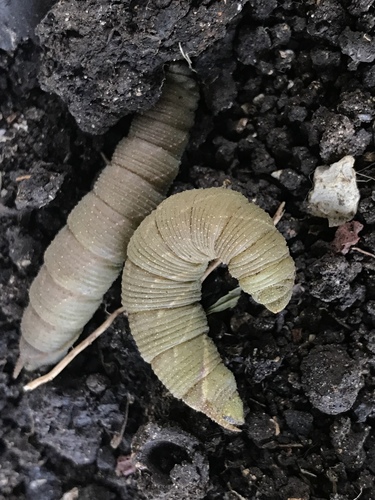
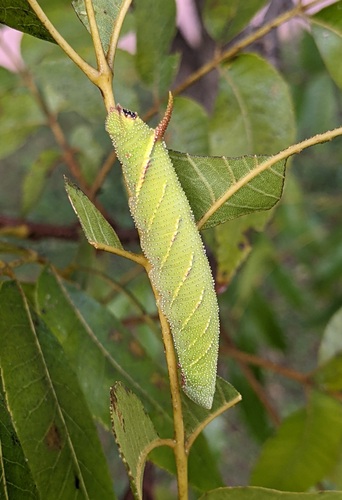
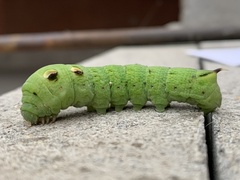
Caterpillars feed on leaves of alder, hickory, hazelnut, beech, walnut and hop-hornbeam.
Source: Wikipedia
Life cycle
Adults are active at night, especially in the early hours.
Source: Wikipedia
When you see it
Adults are most active during the early nighttime hours.
Source: Wikipedia
Where it comes from
Its native range covers Canada and the United States across the continent.
Source: Wikipedia
Where it is found in the US
Recorded in 38 of 51 states and DC. Most records: Texas, Ohio, North Carolina, Oklahoma, Virginia, Pennsylvania, Tennessee, Alabama.
Darker = more records. Counts are museum and citizen-science records, not population size.
Source: GBIF
Status: native in North America; native in United States; native in Canada. Source: iNaturalist
Months it is reported in the US
Source: GBIF
More photos
Questions people ask
Are they a problem for my garden?
The caterpillars can eat leaves of several tree species, which may harm ornamental or fruit trees.
Source: Wikipedia
Same family (Sphingidae)
 White-lined SphinxHyles lineataDamages trees, gardens or crops
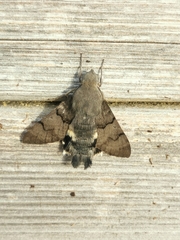 Eurasian Hummingbird HawkmothMacroglossum stellatarum
 Snowberry ClearwingHemaris diffinis
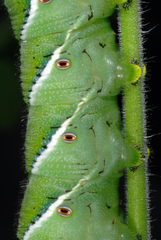 Carolina SphinxManduca sextaDamages trees, gardens or crops
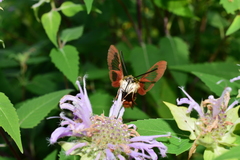 Hummingbird ClearwingHemaris thysbeDamages trees, gardens or crops
 Elephant HawkmothDeilephila elpenor
Sources
- Wikipedia: https://en.wikipedia.org/wiki/Amorpha_juglandis
Look it up elsewhere: GBIF · iNaturalist · BugGuide · ITIS · Wikipedia
Text written 2026-10-22 from the sources above and checked sentence by sentence against them. Data fetched 2026-10-22.