 Bug FAQ
Van Duzee's Cicada
Okanagana vanduzeei · Order: Hemiptera · Family: Cicadidae
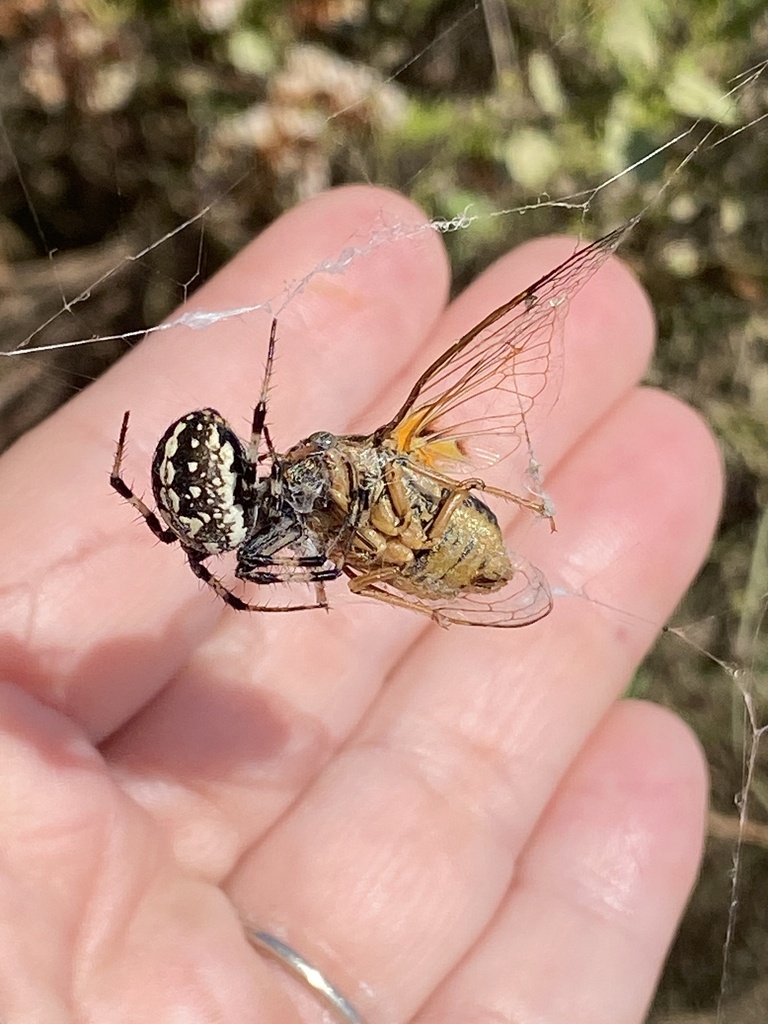
Van Duzee's cicada is usually under 20 mm long. It prefers grassland areas but can live in other habitats. It occurs from Baja California through the western United States up to British Columbia.
Source: Wikipedia
Size
Adults are typically less than 20 mm (0.79 in) in length.
Source: Wikipedia
Where it lives
They are generalist insects, most often found in grasslands.
Source: Wikipedia
Where it comes from
Their range spans western North America, from Baja California in Mexico through the western U.S. to British Columbia, Canada.
Source: Wikipedia
Where it is found in the US
Recorded in 5 of 51 states and DC. Most records: California, Utah, Oregon, Idaho, Washington.
Darker = more records. Counts are museum and citizen-science records, not population size.
Source: GBIF
Status: native in North America; native in United States. Source: iNaturalist
Months it is reported in the US
Source: GBIF
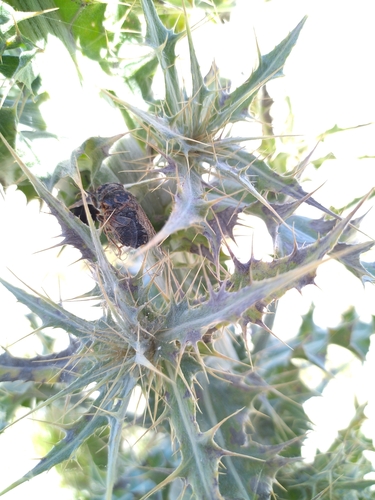
More photos
Questions people ask
Where is Van Duzee's cicada found?
It lives in western North America, from Baja California through the western United States up to British Columbia.
Source: Wikipedia
How big does Van Duzee's cicada get?
Adults are usually less than 20 mm (0.79 in) long.
Source: Wikipedia
What habitat does Van Duzee's cicada prefer?
It is most commonly associated with grassland habitats.
Source: Wikipedia
Has the classification of Van Duzee's cicada changed?
Yes, it was moved out of the genus Okanagana in 2023.
Source: Wikipedia
Same family (Cicadidae)
Sources
- Wikipedia: https://en.wikipedia.org/wiki/Tibicinoides_vanduzeei
Look it up elsewhere: GBIF · iNaturalist · BugGuide · ITIS · Wikipedia
Text written 2026-10-28 from the sources above and checked sentence by sentence against them. Data fetched 2026-10-28.