 Bug FAQ
Triatoma indictiva
Triatoma indictiva · Order: Hemiptera · Family: Reduviidae
Source: Wikipedia
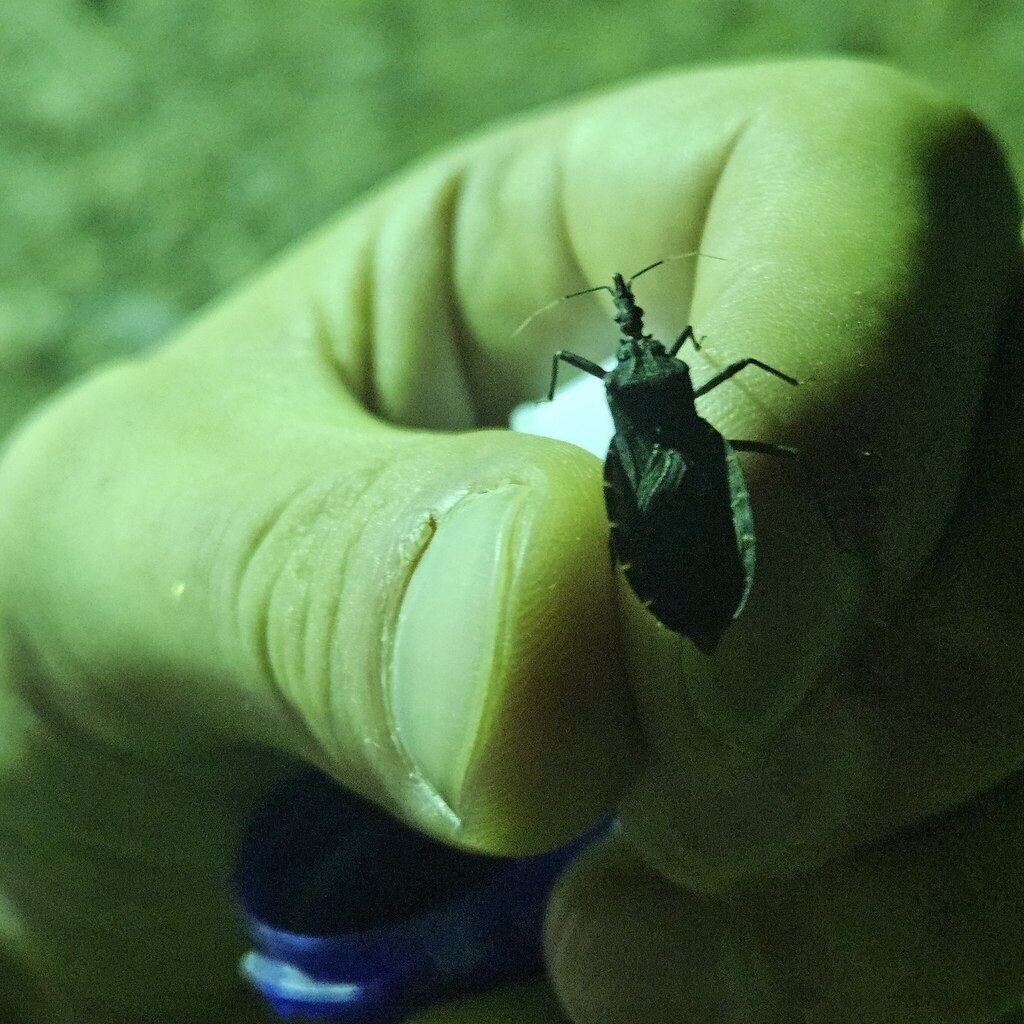
Adults measure about 2 to 3 cm in length. They live in woodlands, bird nests, and can also enter homes, especially in poorer regions of Mexico and the southern United States. These bugs feed on the blood of mammals, birds and reptiles and can spread Trypanosoma cruzi when they defecate during or after feeding.
Source: Wikipedia
How to recognize it
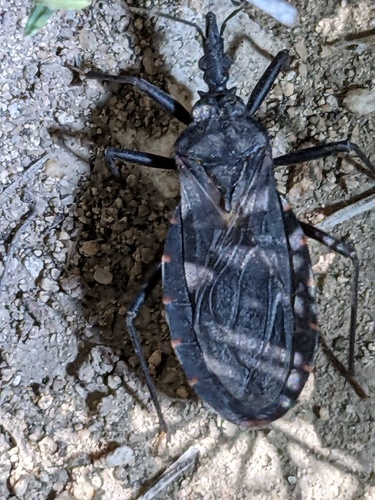
They have a pear-shaped body with a tapered beak and a short scape, plus red markings along the sides. The head and thorax are black, while the legs show a lighter third segment and red side spots.
Source: Wikipedia
Size
Fully grown individuals are between 20 mm and 30 mm long.
Source: Wikipedia
Is it a pest in the house?
Colonies form more easily in poorly built homes, bringing the bugs into frequent contact with residents.
Source: Wikipedia
Can it bite, sting or make you sick?
When they feed on people they tend to bite around the lips or face, giving rise to the name “kissing bug.” During or after a blood meal they may defecate, leaving feces that can contain the Chagas disease parasite.
Source: Wikipedia
How to get rid of it
- Because they are widespread in Mexico and often live in low-income housing, they are hard to control.
- Fewer locally acquired Chagas cases in the U.S. are thought to result from better awareness and higher living standards that keep the bugs out of homes.
Source: Wikipedia
Where it lives
They are typically found in wooded areas and bird nests, but may also inhabit houses and other human structures.
Source: Wikipedia
What it eats
They are blood-sucking insects that feed mainly on mammals, including people, as well as birds and reptiles. Young bugs can switch between vertebrate and invertebrate hosts, though why they do so is unknown.
Source: Wikipedia
Life cycle
They develop through three stages: egg, nymph, and adult.
Source: Wikipedia
Where it comes from
Their range includes Mexico and the southern United States, especially Arizona and Texas.
Source: Wikipedia
Where it is found in the US
Recorded in 4 of 51 states and DC. Most records: Texas, Arizona, New Mexico, California.
Darker = more records. Counts are museum and citizen-science records, not population size.
Source: GBIF
Months it is reported in the US
Source: GBIF
More photos
Questions people ask
Do they bite people?
Yes, adult Triatoma indictiva bite humans, usually around the lips or face.
Source: Wikipedia
Can they spread disease?
They can transmit Trypanosoma cruzi, the parasite that causes Chagas disease, via their feces after feeding.
Source: Wikipedia
Where are they found?
They occur in Mexico and the southern United States, especially in Arizona and Texas, living in woods, bird nests, and sometimes inside homes.
Source: Wikipedia
Same family (Reduviidae)
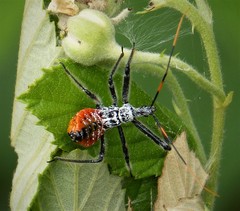 North American Wheel BugArilus cristatusCan bite
 Leafhopper Assassin BugZelus renardiiCan bite
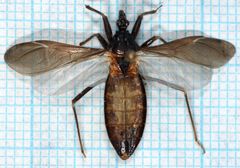 Masked HunterReduvius personatusCan bite
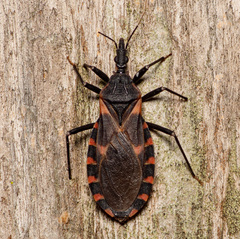 Eastern Bloodsucking ConenoseTriatoma sanguisugaCan spread germs or disease
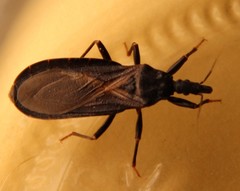 Western Bloodsucking ConenoseTriatoma protractaCan spread germs or disease
 Pale Green Assassin BugZelus luridusCan bite
Sources
- Wikipedia: https://en.wikipedia.org/wiki/Triatoma_indictiva
Look it up elsewhere: GBIF · iNaturalist · BugGuide · ITIS · Wikipedia
Text written 2026-10-26 from the sources above and checked sentence by sentence against them. Data fetched 2026-10-26.