 Bug FAQ
Toxorhina magna
Toxorhina magna · Order: Diptera · Family: Limoniidae
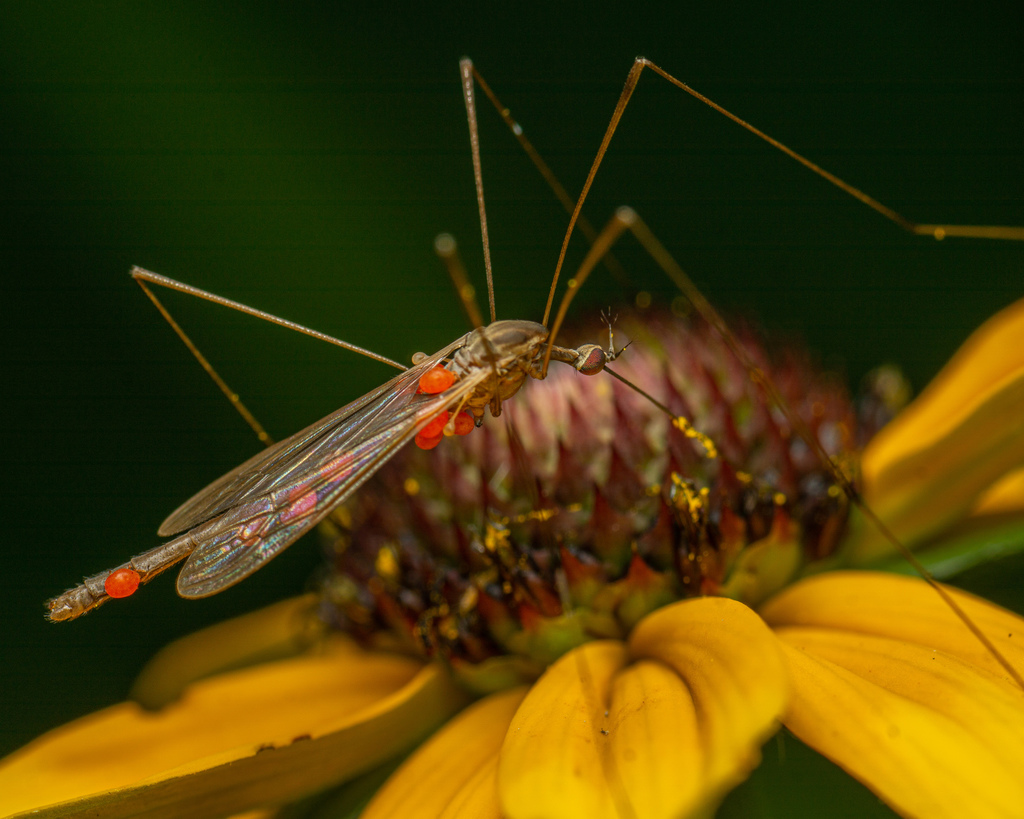
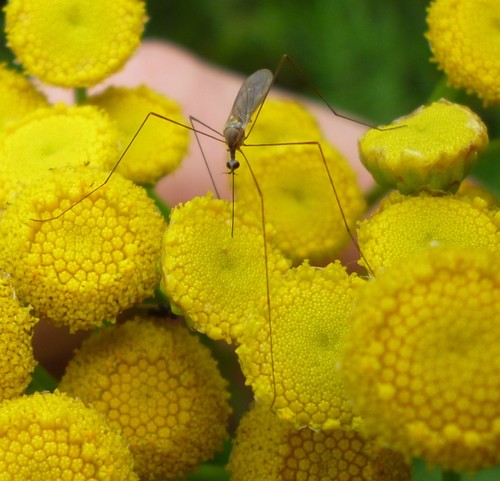
Toxorhina magna is yellow-brown, which sets it apart from the gray Toxorhina muliebris found farther north. It lives along the U.S. East Coast, reaching west to Michigan and south to Florida.
Source: Wikipedia
How to recognize it
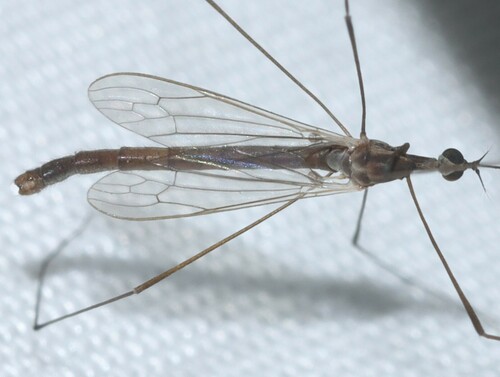
The bug’s yellowish-brown color is the clearest way to separate it from the grayish T. muliebris.
Source: Wikipedia
Where it comes from
Its range covers the eastern United States from Michigan in the west down to Florida in the south.
Source: Wikipedia
Lookalikes
It is most often confused with the gray Toxorhina muliebris, but the latter is gray and occurs in the northern part of the range.
Source: Wikipedia
Where it is found in the US
Recorded in 28 of 51 states and DC. Most records: Florida, Louisiana, Texas, Massachusetts, Georgia, Kansas, New Jersey, New York.
Darker = more records. Counts are museum and citizen-science records, not population size.
Source: GBIF
Months it is reported in the US
Source: GBIF
More photos
Questions people ask
How can I tell Toxorhina magna apart from similar species?
Look for its yellow-brown coloration; the similar T. muliebris is gray and lives farther north.
Source: Wikipedia
Same family (Limoniidae)



Sources
- Wikipedia: https://en.wikipedia.org/wiki/Toxorhina_magna
Look it up elsewhere: GBIF · iNaturalist · BugGuide · ITIS · Wikipedia
Text written 2026-10-25 from the sources above and checked sentence by sentence against them. Data fetched 2026-10-25.