 Bug FAQ
Crane fly
Symplecta pilipes · Order: Diptera · Family: Limoniidae
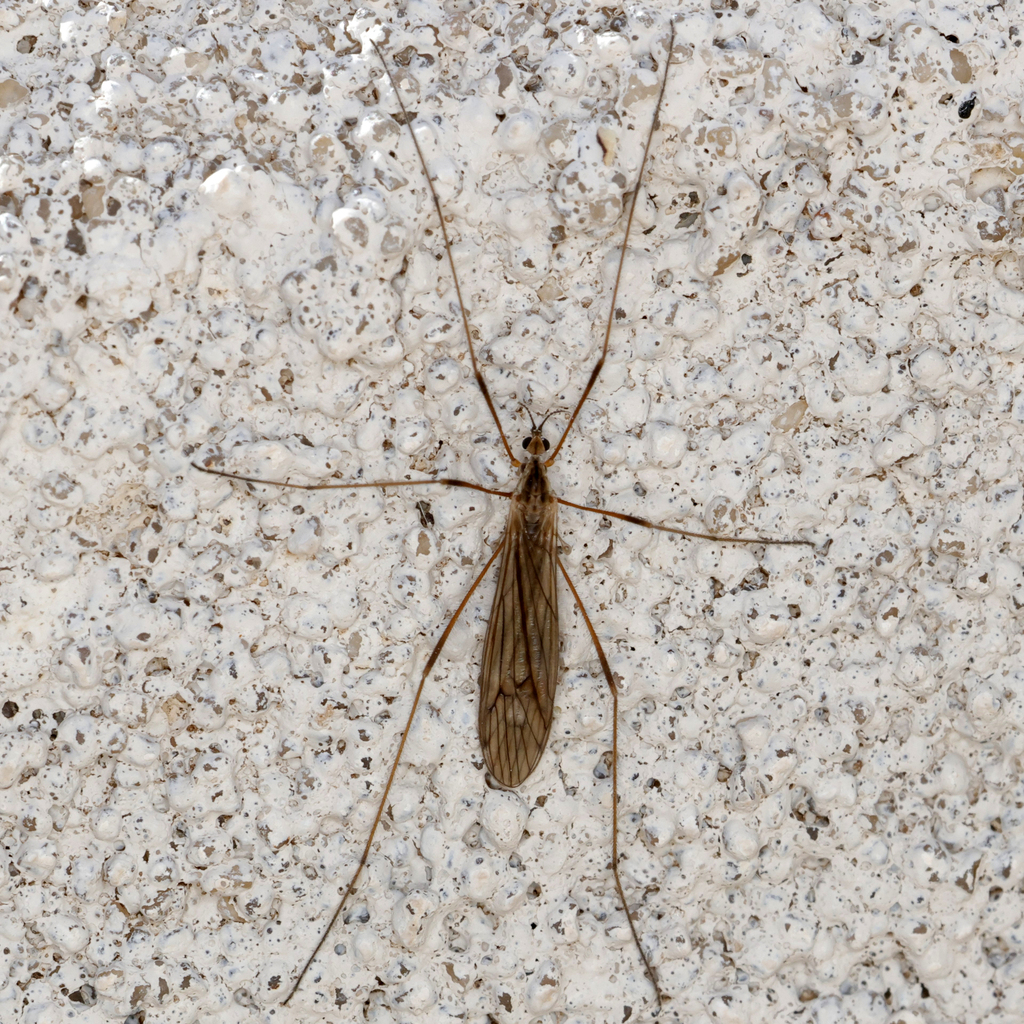
Symplecta pilipes lives in many moist environments such as humus-rich soil, swamps, marshes, leaf litter and wet spots in woods. It is a Palearctic species, occurring across the Palearctic region.
Source: Wikipedia
Where it lives
Found in humus-rich earth, swamps, marshes, leaf litter and wet woodland spots.
Source: Wikipedia
Where it comes from
Occurs throughout the Palearctic region.
Source: Wikipedia
Where it is found in the US
Recorded in 26 of 51 states and DC. Most records: California, Utah, Colorado, Texas, New York, New Mexico, Maryland, Arizona.
Darker = more records. Counts are museum and citizen-science records, not population size.
Source: GBIF
Months it is reported in the US
Source: GBIF
More photos
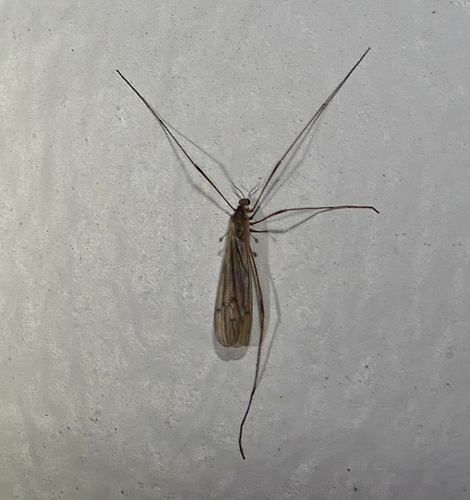
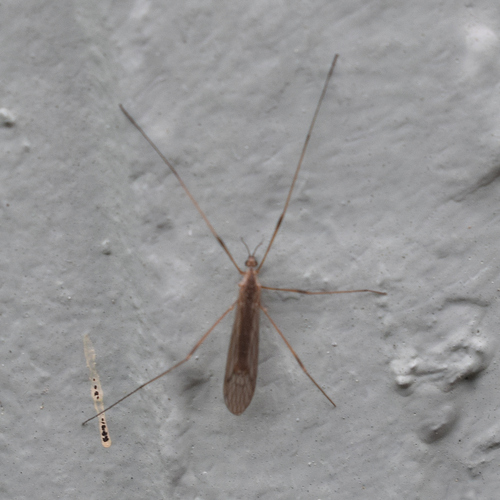
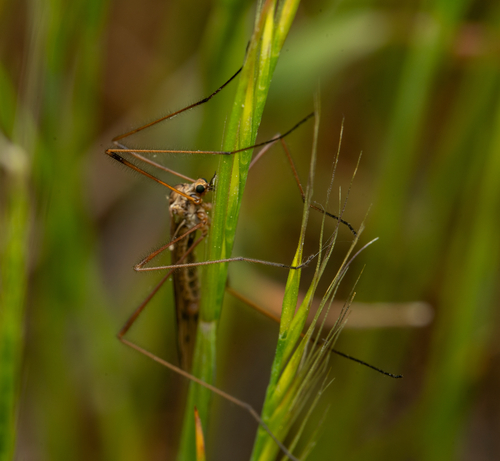
Same family (Limoniidae)


Sources
- Wikipedia: https://en.wikipedia.org/wiki/Symplecta_pilipes
Look it up elsewhere: GBIF · iNaturalist · BugGuide · Wikipedia
Text written 2026-10-23 from the sources above and checked sentence by sentence against them. Data fetched 2026-10-22.