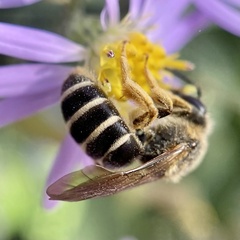
Titus's Sweat Bee

Lasioglossum titusi · Order: Hymenoptera · Family: Halictidae

Also called: Titus' Lasioglossum
No source yet on danger. We have no source yet on whether it bites, stings or damages anything.
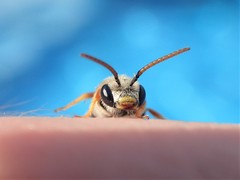
Titus's Sweat Bee
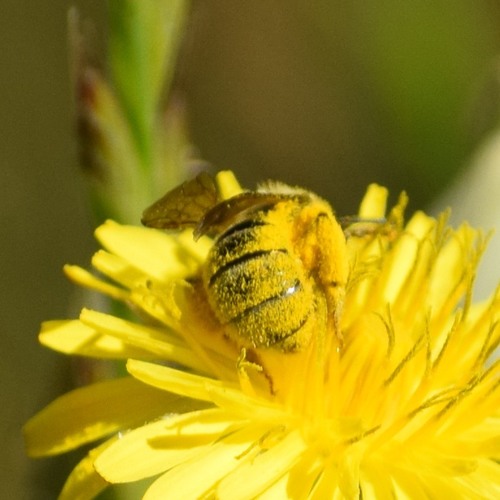
Photo: Kylie Etter, CC BY

Titus's Sweat Bee nests alone in bare, flat soil. It occurs in North America. It gathers pollen from many different plants.

Source: Wikipedia

Where it comes from

It is found in North America.

Source: Wikipedia

Where it is found in the US

Recorded in 9 of 51 states and DC. Most records: California, Oregon, Wyoming, Washington, Idaho, Utah, Nevada, Arizona.

Darker = more records. Counts are museum and citizen-science records, not population size.

Source: GBIF

Status: native in North America; native in Canada; native in United States. Source: iNaturalist

Months it is reported in the US

JFMAMJJASOND

Source: GBIF

More photos

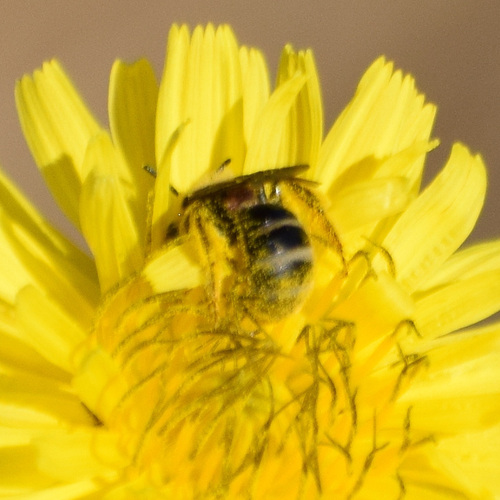
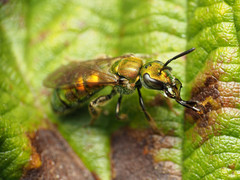
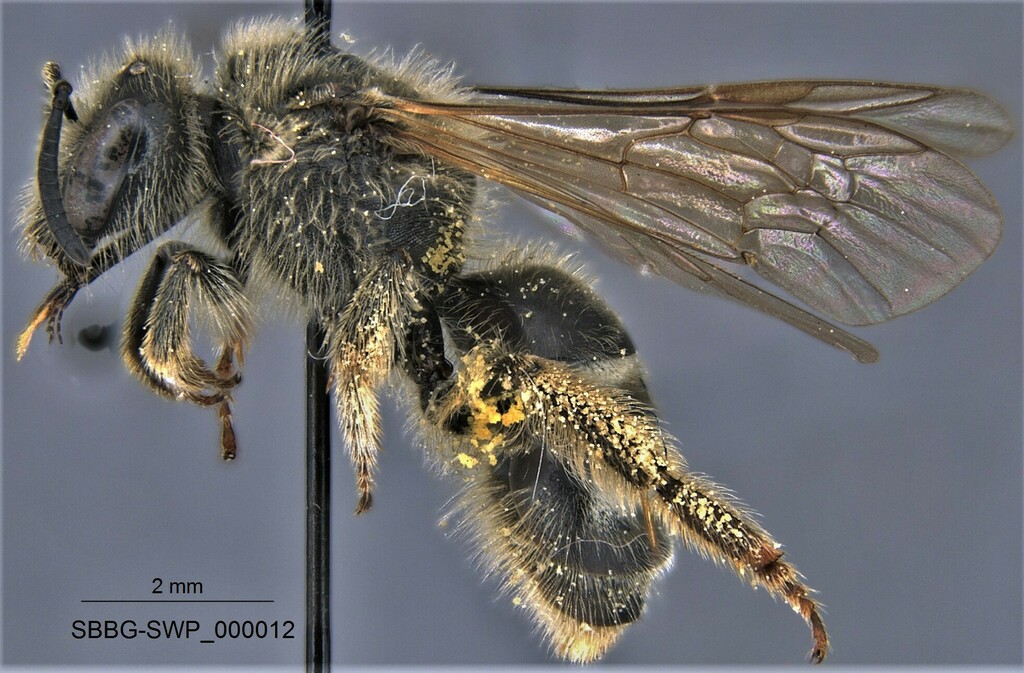
Titus's Sweat Bee photo 3
Photo: unknown, CC0
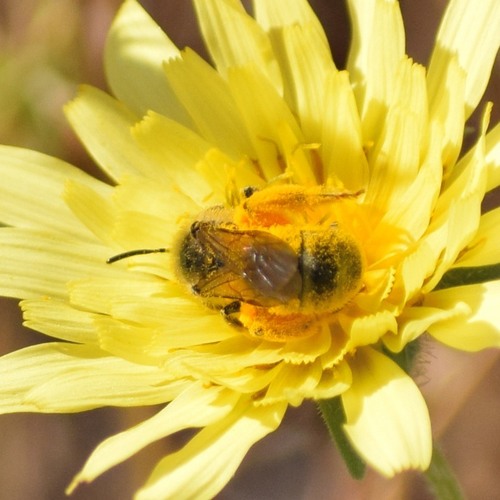
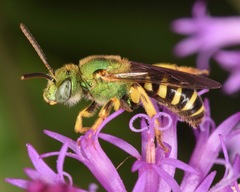
Titus's Sweat Bee photo 4
Photo: unknown, CC0
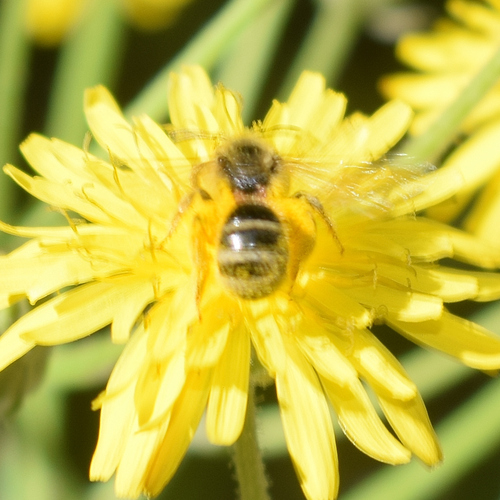
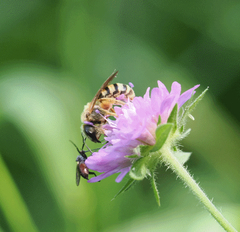
Titus's Sweat Bee photo 5
Photo: unknown, CC0
Titus's Sweat Bee photo 6
Photo: unknown, CC0

Questions people ask

Where is Titus's Sweat Bee found?

It is found in North America.

Source: Wikipedia

What kind of ground does Titus's Sweat Bee nest in?

It nests in flat, bare soil.

Source: Wikipedia

What does Titus's Sweat Bee eat?

It gathers pollen from many different plants.

Source: Wikipedia

Same family (Halictidae)

Sources

  • Wikipedia: https://en.wikipedia.org/wiki/Lasioglossum_titusi

Look it up elsewhere: GBIF · iNaturalist · BugGuide · ITIS · Wikipedia

Text written 2026-10-23 from the sources above and checked sentence by sentence against them. Data fetched 2026-10-23.

How this page works

This is one bug's fact sheet. The colored box at the top says whether it is dangerous. Sections below cover how to recognize it, whether it is a pest, and how to deal with it. The US map shows which states have records; tap a state to see other bugs there.

Every fact on Bug FAQ comes from a named source (university extension sites, government agencies, GBIF, iNaturalist, Wikipedia). The source is linked next to each section. If we have no source for something, we leave it out.