 Bug FAQ
Syzygium Leaf Psyllid
Trioza adventicia · Order: Hemiptera · Family: Triozidae
Also called: Eugenia Psyllid, Lilly Pilly Psyllid, Pimple Psyllid
Source: Wikipedia

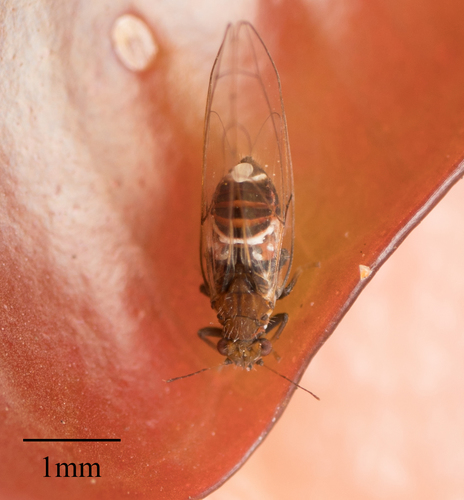
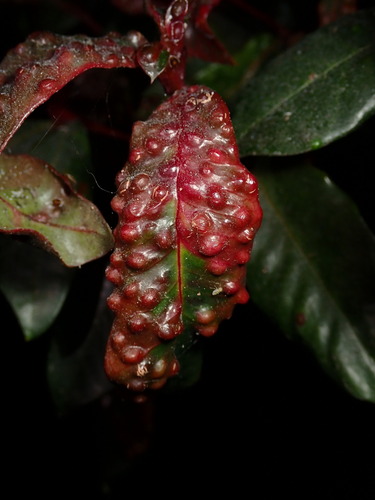
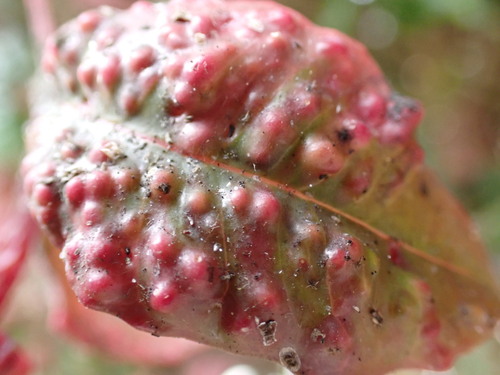
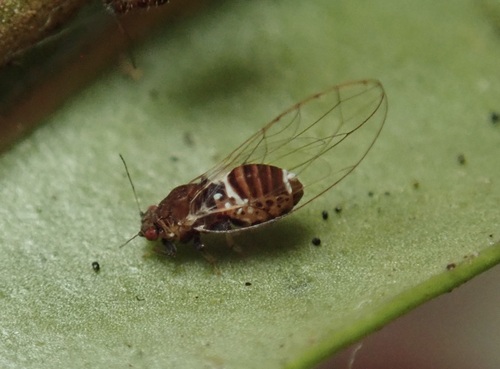
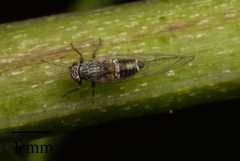
The syzygium leaf psyllid (Trioza adventicia) is a sap-sucking bug that makes pit galls on the leaves of Syzygium paniculatum. It is native to eastern Australia but has been introduced to California, southern Australia and New Zealand.
Source: Wikipedia
How to recognize it
Trioza adventicia is also called the lillypilly psyllid or eugenia psyllid.
Source: Wikipedia
Is it a pest in the house?
Nymphs form pit galls in leaves, which stunt the plant’s growth.
Source: Wikipedia
Where it lives
The species occurs in eastern Australia and has been introduced to California, southern Australia and New Zealand.
Source: Wikipedia
Where it comes from
It is native to eastern Australia.
Source: Wikipedia
Lookalikes
For decades it was misidentified as Trioza eugeniae, but DNA and morphology studies in 2019 confirmed it is a distinct species.
Source: Wikipedia
Where it is found in the US
Recorded in 1 of 51 states and DC. Most records: California.
Darker = more records. Counts are museum and citizen-science records, not population size.
Source: GBIF
Months it is reported in the US
Source: GBIF
More photos
Questions people ask
How does the syzygium leaf psyllid affect my plant?
Its nymphs create pit galls on Syzygium leaves, which stunt the plant’s growth.
Source: Wikipedia
What other name has this bug been known by?
It was long called Trioza eugeniae before being correctly identified as Trioza adventicia.
Source: Wikipedia
Same family (Triozidae)

Sources
- Wikipedia: https://en.wikipedia.org/wiki/Trioza_adventicia
Look it up elsewhere: GBIF · iNaturalist · BugGuide · Wikipedia
Text written 2026-10-25 from the sources above and checked sentence by sentence against them. Data fetched 2026-10-25.