 Bug FAQ
Valerian psyllid
Trioza centranthi · Order: Hemiptera · Family: Triozidae
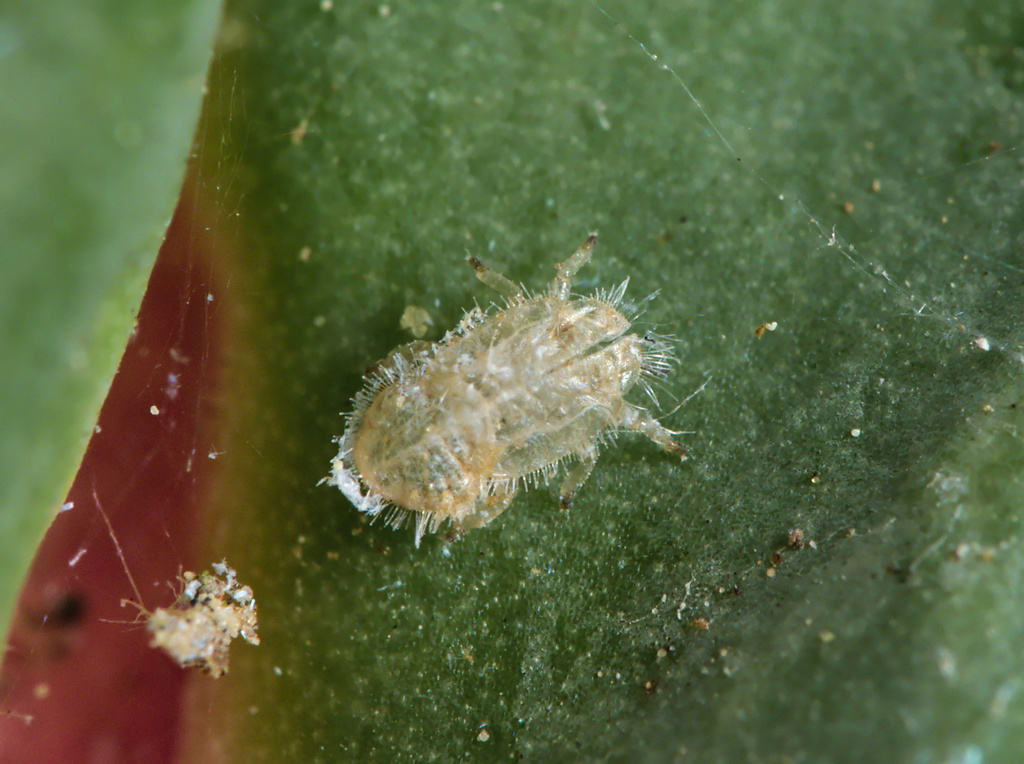
How to recognize it
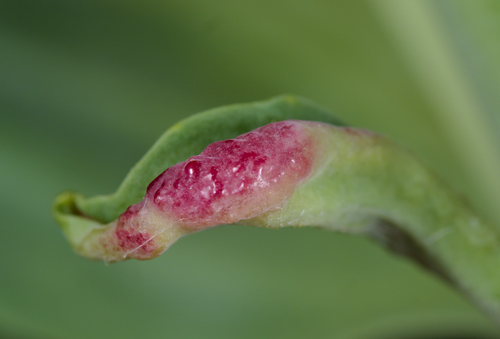
It creates distinctive galls on its host plants, which help identify its presence.
Source: Wikipedia
Size
It is a small hemipteran insect that feeds by sucking plant sap.
Source: Wikipedia
Where it lives
The species was first described by the French entomologist Jean Nicolas Vallot in 1829 and is found throughout Europe.
Source: Wikipedia
What it eats
It feeds on the sap of Centranthus and Valerianella species, causing gall formation on leaves and flowers.
Source: Wikipedia
More photos
Questions people ask
What plants does the valerian psyllid affect?
It feeds on Centranthus and Valerianella species, producing galls on their leaves and flowers.
Source: Wikipedia
Where is the valerian psyllid found?
It occurs across Europe, from Great Britain and France eastward to Ukraine.
Source: Wikipedia
Same family (Triozidae)
Sources
- Wikipedia: https://en.wikipedia.org/wiki/Trioza_centranthi
Look it up elsewhere: GBIF · iNaturalist · BugGuide · Wikipedia
Text written 2026-10-23 from the sources above and checked sentence by sentence against them. Data fetched 2026-10-23.