 Bug FAQ
Springtime Dung Beetle
Trypocopris vernalis · Order: Coleoptera · Family: Geotrupidae
Also called: Spring Dor-beetle, Spring Dumble Dor, Spring Dumbledor
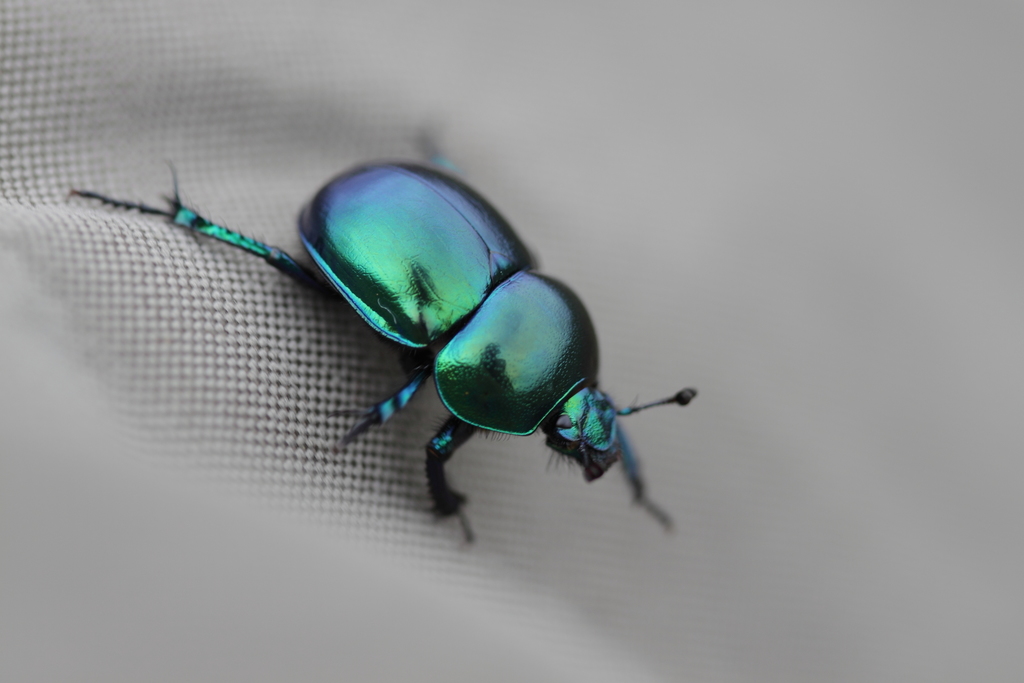
The springtime dung beetle is black and reflects very little near-infrared light. It is most common in open or semi-open habitats and young woodlands during spring and early summer, and is rare in autumn. Its larvae feed on the dung of sheep and red foxes.
Source: Wikipedia
Where it lives
It is a dominant species of earth-boring dung beetles in spring and early summer, but only rarely seen in autumn.
Source: Wikipedia
What it eats
Larvae feed on dung from animals such as sheep and red foxes.
Source: Wikipedia
Life cycle
It is a dominant or super-dominant earth-boring dung beetle in spring and early summer, and is rarely seen in autumn.
Source: Wikipedia
Where it comes from
It occurs in Europe and Asia Minor.
Source: Wikipedia
Lookalikes
It was formerly placed in the genus Geotrupes and is sometimes called the spring dor beetle or spring dumbledor.
Source: Wikipedia
Same family (Geotrupidae)
Sources
- Wikipedia: https://en.wikipedia.org/wiki/Trypocopris_vernalis
Look it up elsewhere: GBIF · iNaturalist · BugGuide · Wikipedia
Text written 2026-10-22 from the sources above and checked sentence by sentence against them. Data fetched 2026-10-22.