 Bug FAQ
Silverback Mosquito
Aedes infirmatus · Order: Diptera · Family: Culicidae
Source: Wikipedia
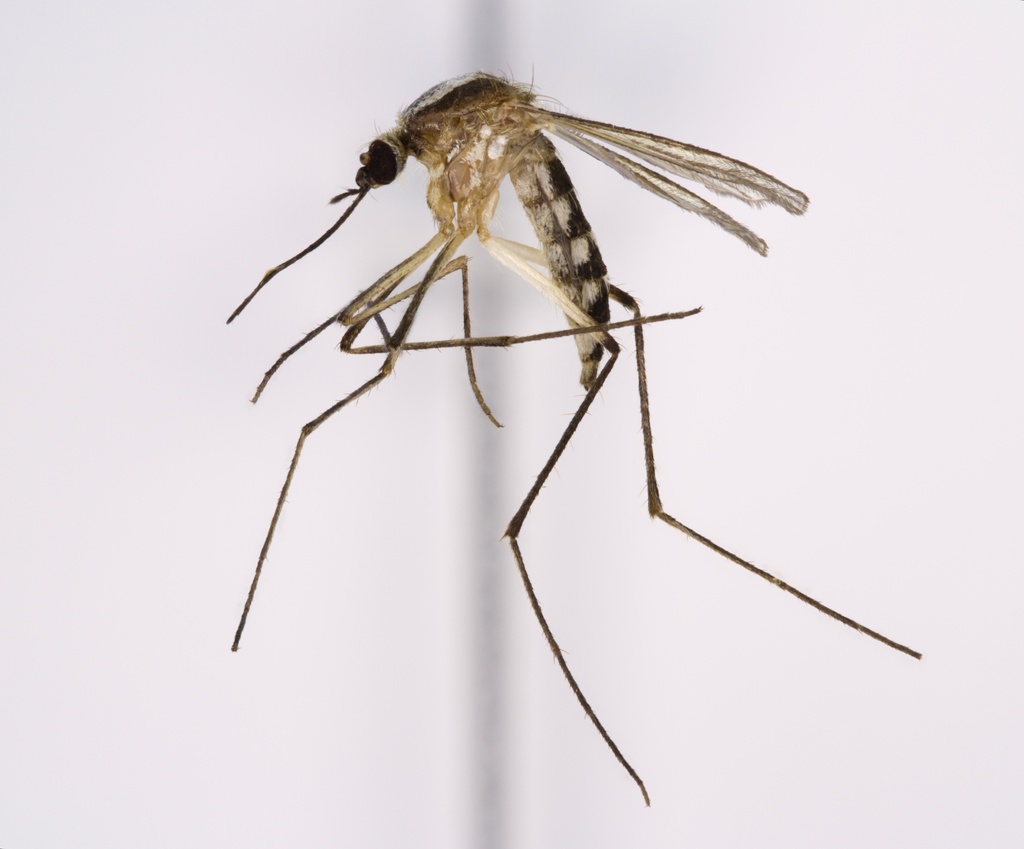
They are most abundant from June through August. Females lay eggs in low-lying grassy areas that flood in spring, and the eggs hatch when flooded.
Source: Wikipedia
Is it a pest in the house?
Adults may feed on passing hosts in woodlands but rarely enter buildings.
Source: Wikipedia
Does it bite or sting?
Adults will opportunistically bite humans in woodland areas.
Source: Wikipedia
Life cycle
Females lay eggs in low-lying grassy spots that flood in spring; flooding triggers hatching.
Source: Wikipedia
When you see it
Peak numbers occur between June and August.
Source: Wikipedia
Lookalikes
The dark proboscis, dark legs, and silvery thorax patch help tell them apart from similar species.
Source: Wikipedia
Where it is found in the US
Recorded in 13 of 51 states and DC. Most records: Florida, Virginia, Georgia, Maryland, Alabama, Louisiana, Tennessee, Texas.
Darker = more records. Counts are museum and citizen-science records, not population size.
Source: GBIF
Months it is reported in the US
Source: GBIF
More photos


Questions people ask
Do they bite people?
Yes, they will bite humans when they encounter them in woodland habitats.
Source: Wikipedia
Where do they lay their eggs?
Females lay eggs in low-lying grassy areas that are prone to spring flooding; the eggs hatch when flooded.
Source: Wikipedia
Same family (Culicidae)
 Asian Tiger MosquitoAedes albopictusCan spread germs or disease
 House Mosquito ComplexCulex pipiensCan spread germs or disease
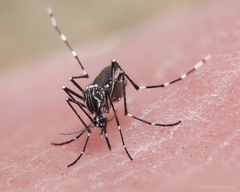 Yellow Fever MosquitoAedes aegyptiCan spread germs or disease
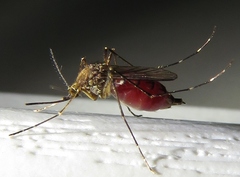 Inland Floodwater MosquitoAedes vexansCan spread germs or disease
 Asian Bush MosquitoAedes japonicusCan bite
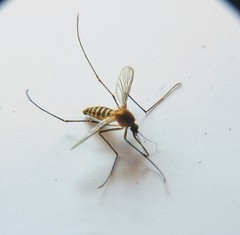 Southern House MosquitoCulex quinquefasciatusCan spread germs or disease
Sources
- Wikipedia: https://en.wikipedia.org/wiki/Aedes_infirmatus
Look it up elsewhere: GBIF · iNaturalist · BugGuide · ITIS · Wikipedia
Text written 2026-10-23 from the sources above and checked sentence by sentence against them. Data fetched 2026-10-23.