 Bug FAQ
Saltpool Mosquito
Opifex fuscus · Order: Diptera · Family: Culicidae
Source: Wikipedia
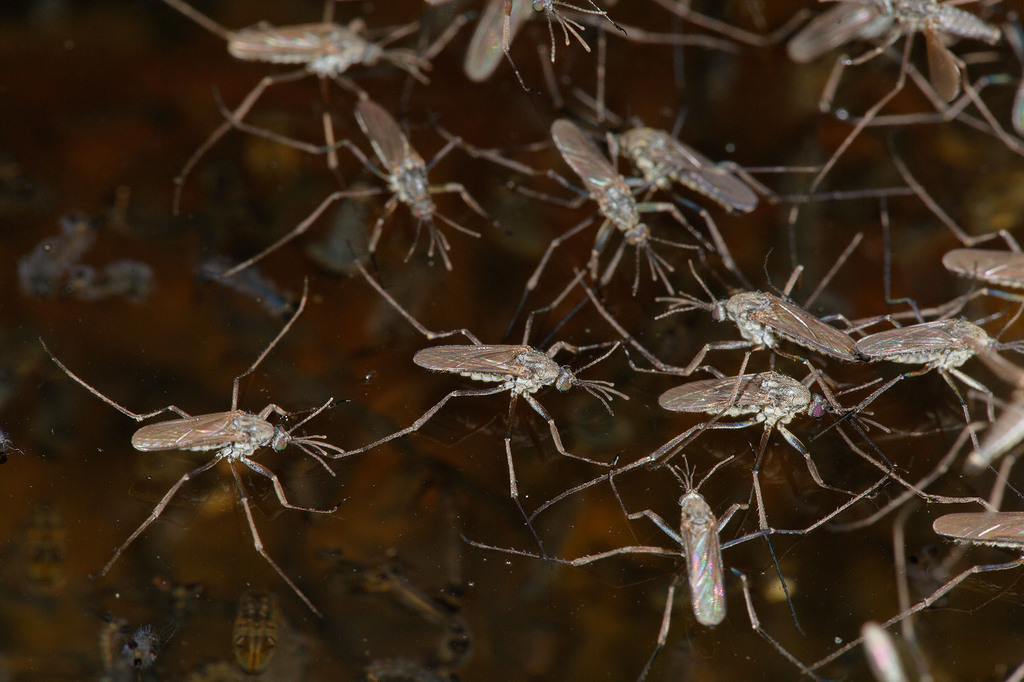
Saltpool mosquitoes are small, stocky insects about 5 mm long and are greyish in colour. They live around rocky coastal rock pools where larvae develop and females lay eggs on the damp edges of these pools. Females bite humans and birds for blood, but they have not been recorded transmitting any disease.
Source: Wikipedia
How to recognize it
Adults can be told apart from other New Zealand mosquitoes by the pattern of bristles on the abdomen, the shape of their antennae, and the lack of scales on the top of the head.
Source: Wikipedia
Size
Adults are about 5 mm (0.2 in) long and have a stocky, greyish body.
Source: Wikipedia
Does it bite or sting?
Female saltpool mosquitoes bite humans and birds to obtain blood. They have not been recorded transmitting any disease in the wild.
Source: Wikipedia
Where it lives
They are found in rocky coastal areas, especially in rock pools that sit above the high-tide line.
Source: Wikipedia
What it eats
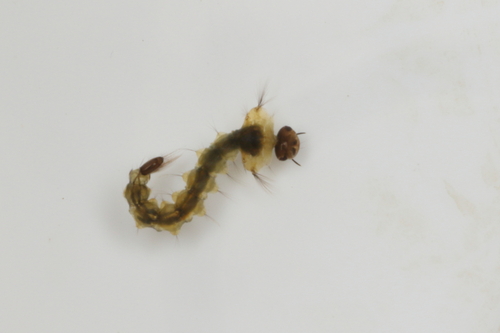
Larvae eat various algae and decomposing organic matter.
Source: Wikipedia
Life cycle
Males wait on the water surface and mate with female pupae before they emerge as adults.
Source: Wikipedia
Where it comes from
This species occurs only in New Zealand.
Source: Wikipedia
Lookalikes
Aedes australis may compete with and displace this species in some regions.
Source: Wikipedia
More photos
Questions people ask
Do saltpool mosquitoes bite people?
Yes, the adult females bite humans to feed on blood.
Source: Wikipedia
Where are saltpool mosquitoes found?
They live only in New Zealand, in rocky coastal rock pools above the high-tide line.
Source: Wikipedia
What do the larvae eat?
Larvae feed mainly on algae and decomposing organic material.
Source: Wikipedia
Same family (Culicidae)
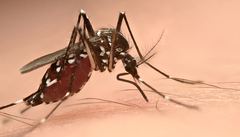 Asian Tiger MosquitoAedes albopictusCan spread germs or disease
 House Mosquito ComplexCulex pipiensCan spread germs or disease
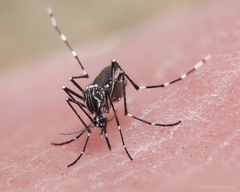 Yellow Fever MosquitoAedes aegyptiCan spread germs or disease
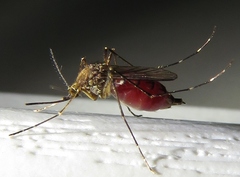 Inland Floodwater MosquitoAedes vexansCan spread germs or disease
 Asian Bush MosquitoAedes japonicusCan bite
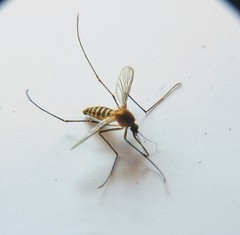 Southern House MosquitoCulex quinquefasciatusCan spread germs or disease
Sources
- Wikipedia: https://en.wikipedia.org/wiki/Opifex_fuscus
Look it up elsewhere: GBIF · iNaturalist · BugGuide · ITIS · Wikipedia
Text written 2026-10-23 from the sources above and checked sentence by sentence against them. Data fetched 2026-10-23.