 Bug FAQ
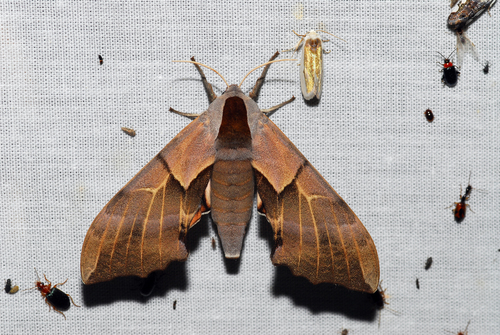
Salicet Sphinx
Smerinthus saliceti · Order: Lepidoptera · Family: Sphingidae
Also called: the Salicet sphinx
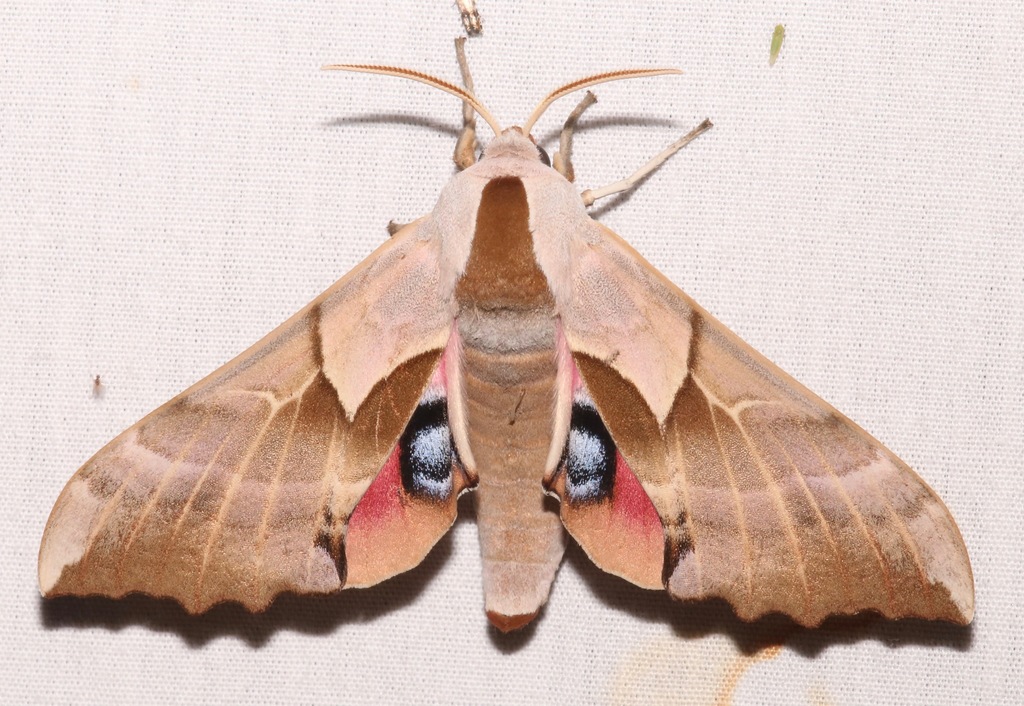
The Salicet Sphinx lives in valleys and along streams from Mexico City northward into western Texas, Arizona and the far southern part of California. Adults are active from April through September, probably producing two generations each year.
Source: Wikipedia
Where it lives
It inhabits valleys and stream sides across its range.
Source: Wikipedia
Life cycle
Adults are on the wing from April to September, likely in two generations.
Source: Wikipedia
When you see it
You can see adults between April and September.
Source: Wikipedia
Where it comes from
Its range extends from Mexico City north into western Texas, Arizona and extreme southern California.
Source: Wikipedia
Where it is found in the US
Recorded in 7 of 51 states and DC. Most records: Arizona, New Mexico, California, Wyoming, Montana, Texas, Washington.
Darker = more records. Counts are museum and citizen-science records, not population size.
Source: GBIF
Months it is reported in the US
Source: GBIF
More photos
Questions people ask
When are Salicet Sphinx adults active?
Adults are on the wing from April through September, probably in two generations.
Source: Wikipedia
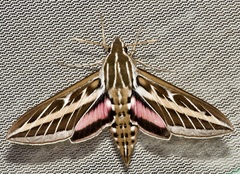
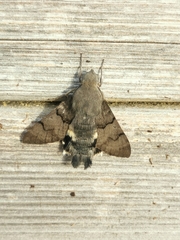
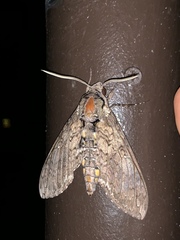
Same family (Sphingidae)

Sources
- Wikipedia: https://en.wikipedia.org/wiki/Smerinthus_saliceti
Look it up elsewhere: GBIF · iNaturalist · BugGuide · ITIS · Wikipedia
Text written 2026-10-27 from the sources above and checked sentence by sentence against them. Data fetched 2026-10-27.