 Bug FAQ
Onion Leafminer
Phytomyza gymnostoma · Order: Diptera · Family: Agromyzidae
Also called: Allium Leafminer
Source: Wikipedia
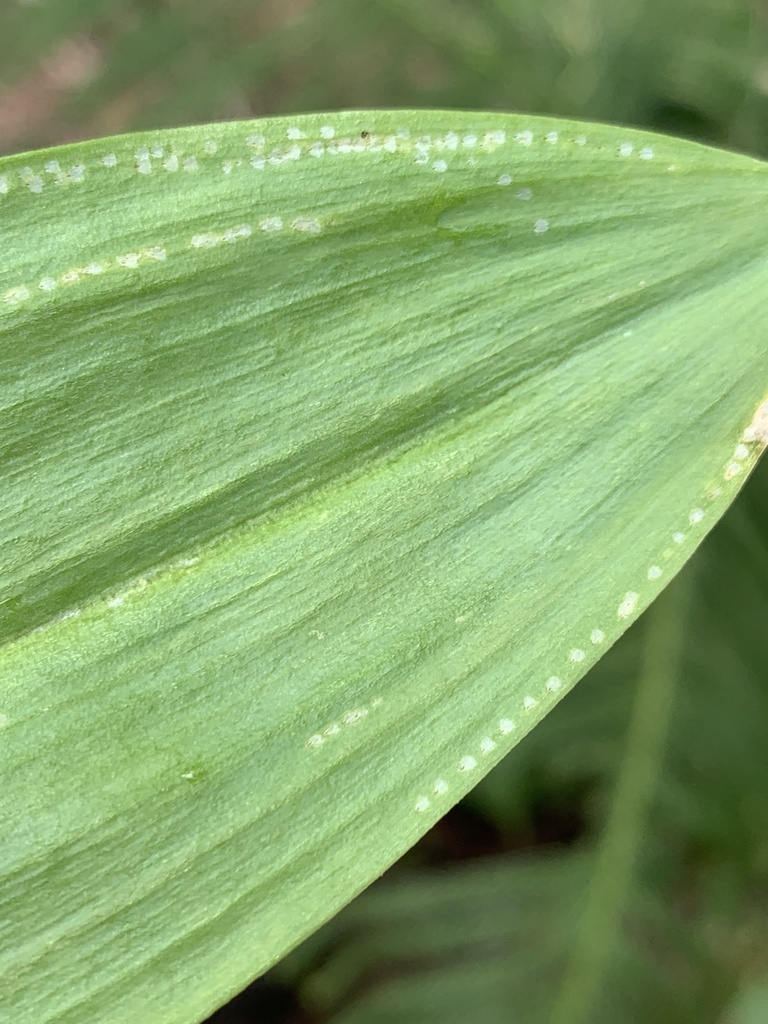
It feeds on Allium crops such as onions, leeks and garlic, making it an agricultural pest. The species produces two generations each year.
Source: Wikipedia
Is it a pest in the house?
It is a leaf-miner and an agricultural pest.
Source: Wikipedia
What it eats
It specializes on crops in the Allium genus, including onions, leeks and garlic.
Source: Wikipedia
Life cycle
The species is bivoltine, producing two generations per year.
Source: Wikipedia
Where it comes from
It is native to mainland Europe.
Source: Wikipedia
Where it is found in the US
Recorded in 8 of 51 states and DC. Most records: Pennsylvania, New York, North Carolina, West Virginia, Massachusetts, Maryland, New Jersey, Virginia.
Darker = more records. Counts are museum and citizen-science records, not population size.
Source: GBIF
Months it is reported in the US
Source: GBIF
More photos
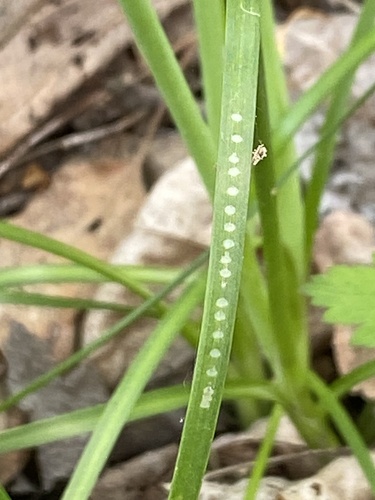
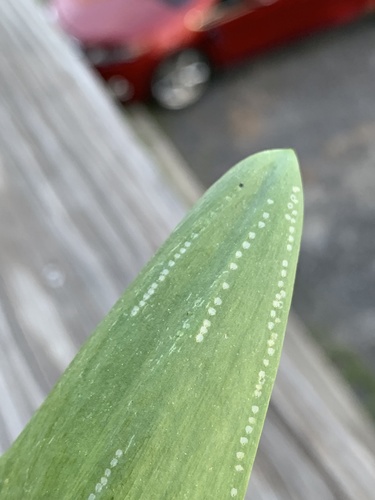
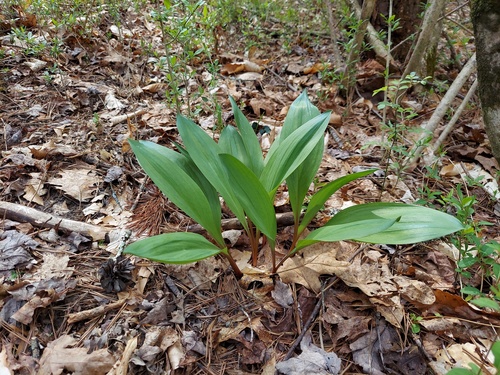
Questions people ask
What plants does the onion leafminer affect?
It feeds on Allium crops such as onions, leeks and garlic.
Source: Wikipedia
Same family (Agromyzidae)


Sources
- Wikipedia: https://en.wikipedia.org/wiki/Phytomyza_gymnostoma
Look it up elsewhere: GBIF · iNaturalist · BugGuide · Wikipedia
Text written 2026-10-28 from the sources above and checked sentence by sentence against them. Data fetched 2026-10-28.