 Bug FAQ
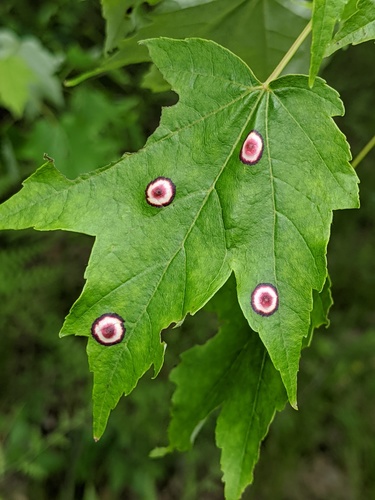
Ocellate Gall Midge
Acericecis ocellaris · Order: Diptera · Family: Cecidomyiidae
Also called: maple eyespot gall midge, maple ocellate gall midge
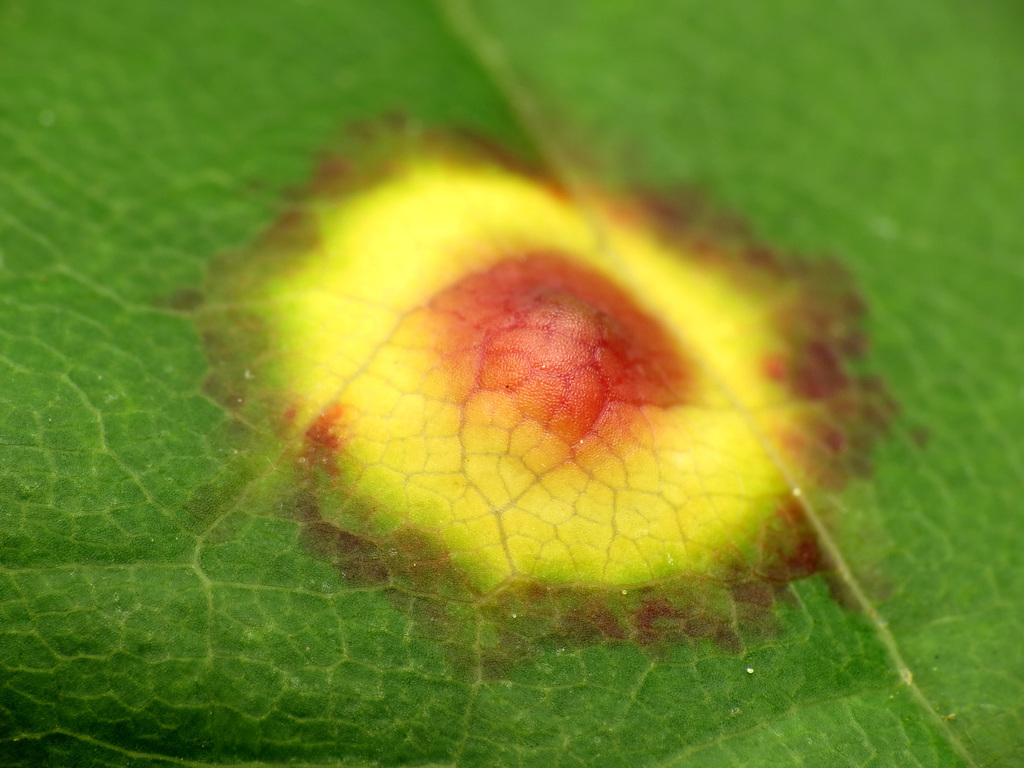
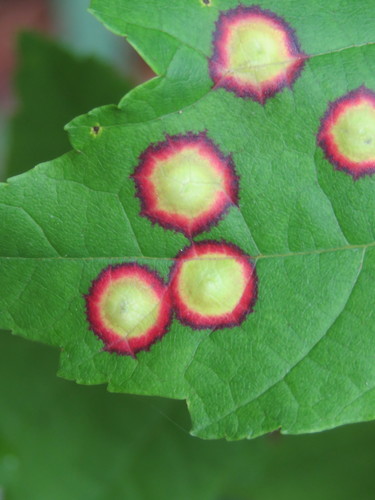
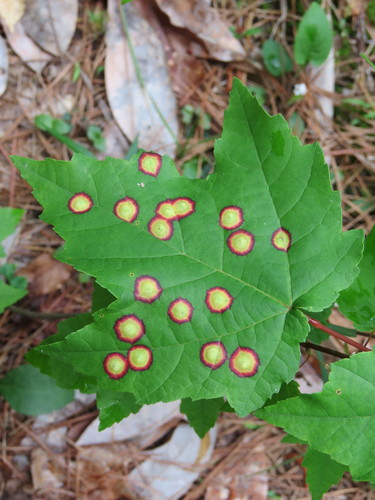
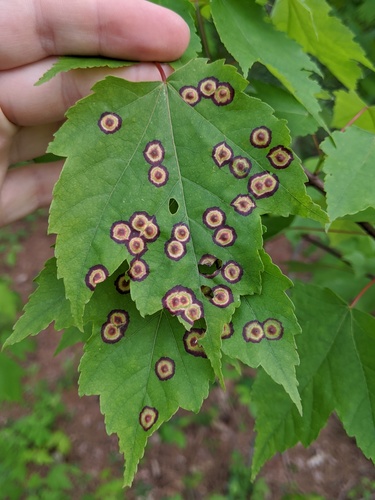
The maple eyespot gall midge makes small, blister-like growths on the leaves of several maple species. These galls can affect the appearance and health of the trees.
Source: Wikipedia
How to recognize it
It is also called the maple eyespot gall or maple leaf spot gall.
Source: Wikipedia
Where it comes from
A North American (Nearctic) species, found on maples such as red, sugar and silver maple.
Source: Wikipedia
Where it is found in the US
Recorded in 33 of 51 states and DC. Most records: North Carolina, Maryland, Virginia, Massachusetts, Michigan, Ohio, Tennessee, Pennsylvania.
Darker = more records. Counts are museum and citizen-science records, not population size.
Source: GBIF
Status: native in North America; native in United States; native in Canada. Source: iNaturalist
Months it is reported in the US
Source: GBIF
More photos
Same family (Cecidomyiidae)


Sources
- Wikipedia: https://en.wikipedia.org/wiki/Acericecis_ocellaris
Look it up elsewhere: GBIF · iNaturalist · BugGuide · ITIS · Wikipedia
Text written 2026-10-22 from the sources above and checked sentence by sentence against them. Data fetched 2026-10-22.