 Bug FAQ
Oblong-winged Katydids
Amblycorypha oblongifolia · Order: Orthoptera · Family: Tettigoniidae
Also called: Oblong-winged Katydid
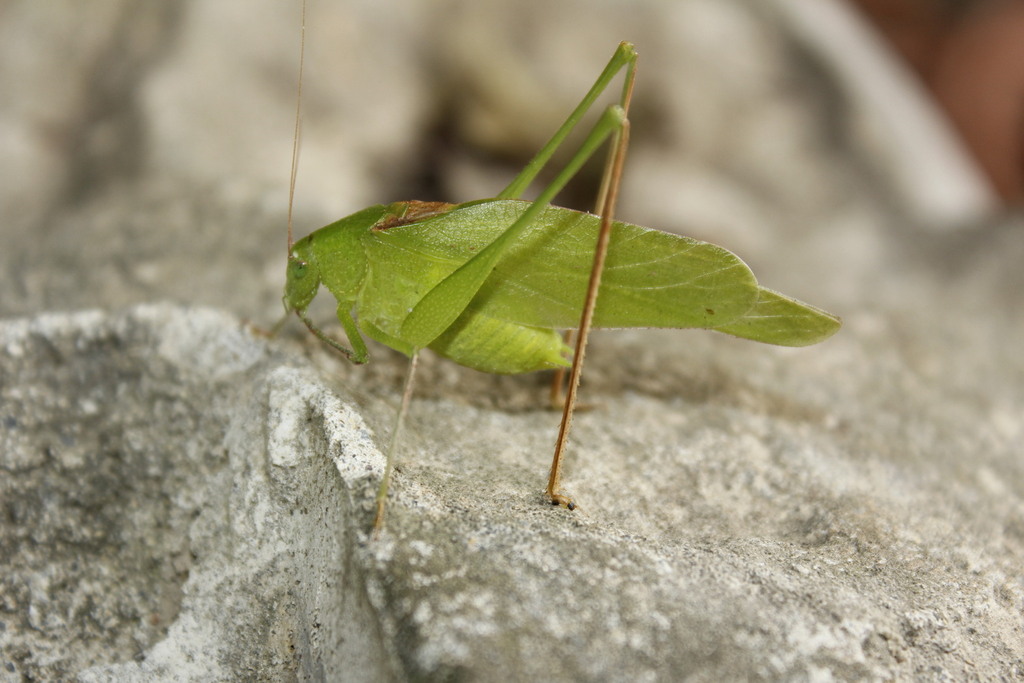
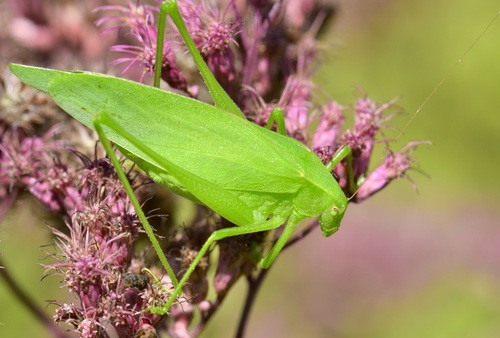
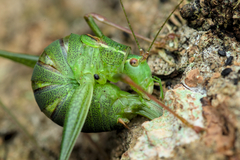
Oblong-winged katydids can be green, tan, pink, dark tan, or orange, with green being the most common color. They are common in the northeastern United States and also occur in the Midwest.
Source: Wikipedia
How to recognize it
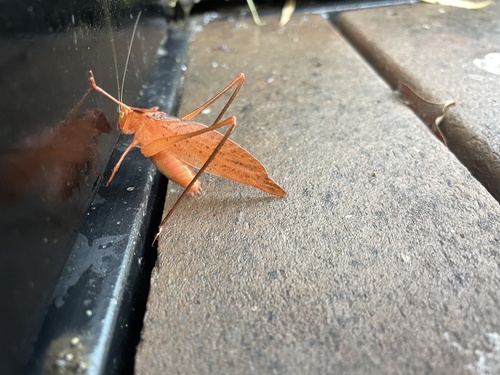
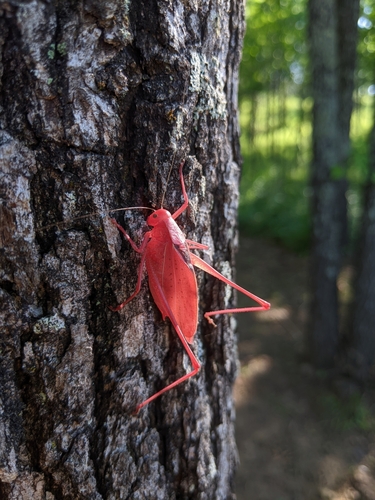
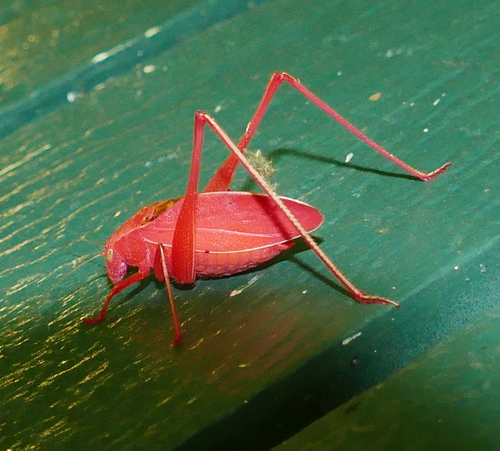
Their body color ranges from green, tan, pink, to dark tan or orange, and green individuals are the most frequently seen. Pink and tan forms are rare, while dark tan or orange individuals are very rare.
Source: Wikipedia
Where it comes from
They are common throughout the northeastern part of North America and can also be found in the Midwest.
Source: Wikipedia
Where it is found in the US
Recorded in 37 of 51 states and DC. Most records: Texas, New York, Vermont, Ohio, Minnesota, Pennsylvania, Illinois, Iowa.
Darker = more records. Counts are museum and citizen-science records, not population size.
Source: GBIF
Months it is reported in the US
Source: GBIF
More photos
Questions people ask
What colors do oblong-winged katydids have?
They may be green, tan, pink, dark tan, or orange, with green being the most common.
Source: Wikipedia
Where are oblong-winged katydids found?
They are common in the northeastern United States and also occur in the Midwest.
Source: Wikipedia
Same family (Tettigoniidae)
 Great Green Bush-cricketTettigonia viridissimaCan bite
 Dark Bush-cricketPholidoptera griseoaptera
 Mediterranean KatydidPhaneroptera nanaDamages trees, gardens or crops
 Fork-tailed Bush KatydidScudderia furcataDamages trees, gardens or crops
 Speckled Bush-cricketLeptophyes punctatissima
 Roesel's Bush-cricketRoeseliana roeselii
Sources
- Wikipedia: https://en.wikipedia.org/wiki/Amblycorypha_oblongifolia
Look it up elsewhere: GBIF · iNaturalist · BugGuide · ITIS · Wikipedia
Text written 2026-10-24 from the sources above and checked sentence by sentence against them. Data fetched 2026-10-24.