 Bug FAQ
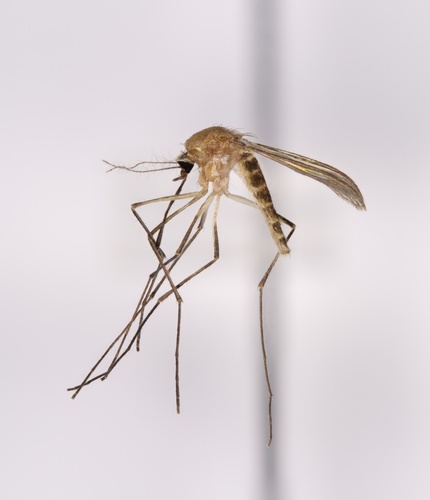
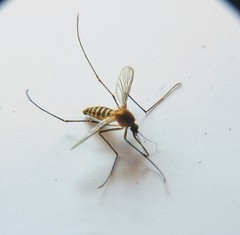
Northern Frog-biting Mosquito
Culex territans · Order: Diptera · Family: Culicidae
Source: Wikipedia
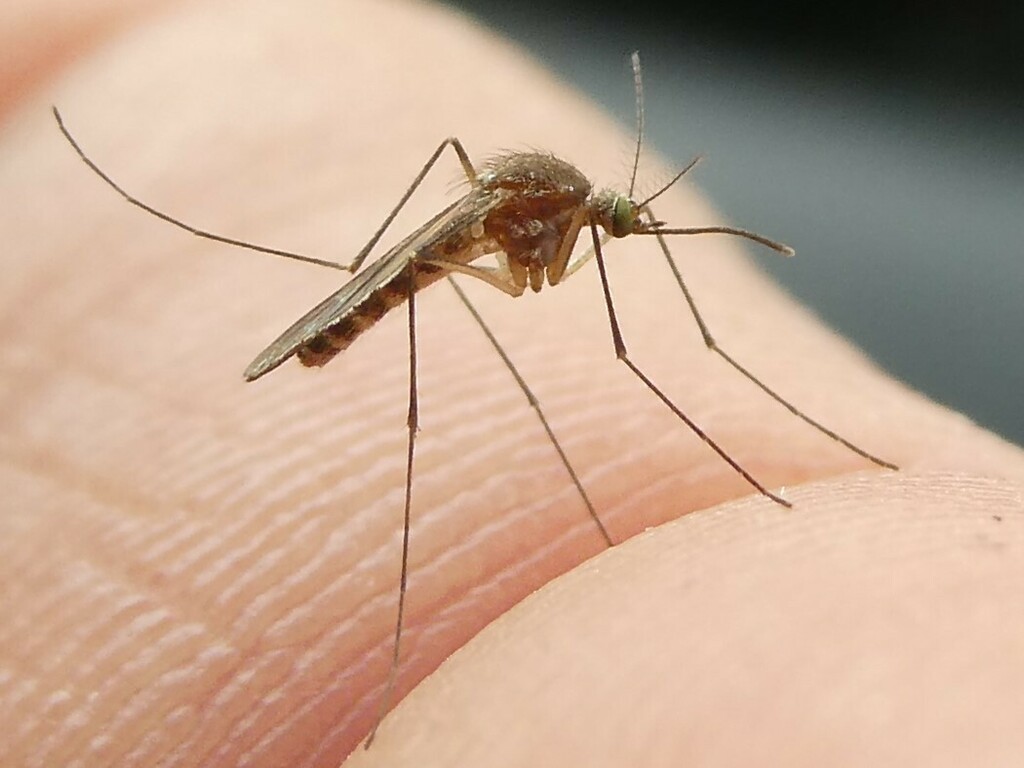
Larvae live in clean, vegetated ponds and adult females spend the winter in humid underground sites like caves. Adults mainly feed on frogs, so they are not a major direct threat to human health, though they can occasionally bite people and carry disease agents.
Source: Wikipedia
Does it bite or sting?
They may occasionally bite humans and have been found infected with West Nile and Eastern Equine Encephalitis viruses.
Source: Wikipedia
Where it lives
Larvae develop in clean ponds with plenty of vegetation. Adult females overwinter in protected, humid underground places such as caves.
Source: Wikipedia
What it eats
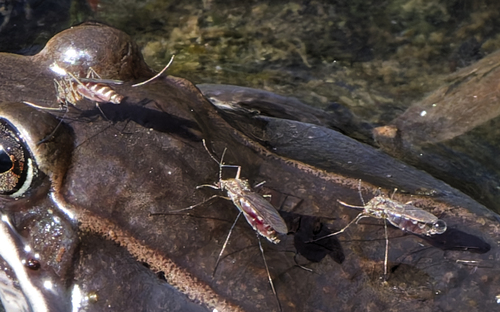
Adults primarily feed on frogs and therefore do not usually bite humans. Females can harbor frog pathogens like trypanosomes, ranaviruses and filarial worms.
Source: Wikipedia
Where it is found in the US
Recorded in 41 of 51 states and DC. Most records: Illinois, Indiana, Iowa, Virginia, Ohio, Maryland, Massachusetts, Wisconsin.
Darker = more records. Counts are museum and citizen-science records, not population size.
Source: GBIF
Status: native in North America; native in Canada. Source: iNaturalist
Months it is reported in the US
Source: GBIF
More photos
Questions people ask
Can they spread disease to humans?
They have been found carrying West Nile and Eastern Equine Encephalitis viruses, so they could potentially transmit disease.
Source: Wikipedia
Where do adult females spend the winter?
In humid, protected underground sites such as caves.
Source: Wikipedia
Same family (Culicidae)
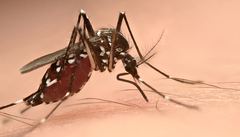 Asian Tiger MosquitoAedes albopictusCan spread germs or disease
 House Mosquito ComplexCulex pipiensCan spread germs or disease
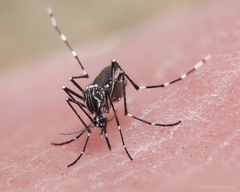 Yellow Fever MosquitoAedes aegyptiCan spread germs or disease
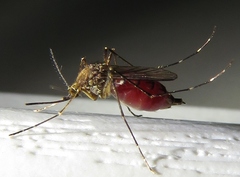 Inland Floodwater MosquitoAedes vexansCan spread germs or disease
 Asian Bush MosquitoAedes japonicusCan bite
 Southern House MosquitoCulex quinquefasciatusCan spread germs or disease
Sources
- Wikipedia: https://en.wikipedia.org/wiki/Culex_territans
Look it up elsewhere: GBIF · iNaturalist · BugGuide · ITIS · Wikipedia
Text written 2026-10-23 from the sources above and checked sentence by sentence against them. Data fetched 2026-10-23.