 Bug FAQ
Norape virgo
Norape virgo · Order: Lepidoptera · Family: Megalopygidae
Source: Wikipedia
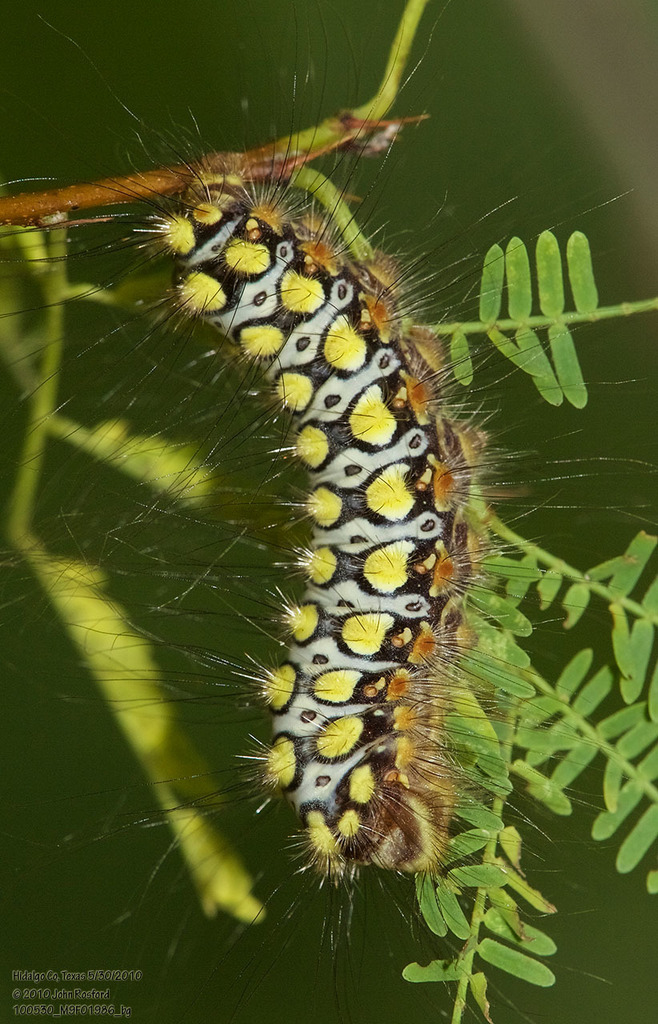
Adults resemble Norape walkeri but are smaller and have short, broad, dull forewings. The species occurs from southern Texas and southern Arizona through Central America to Colombia, and its caterpillars feed on legume plants.
Source: Wikipedia
How to recognize it
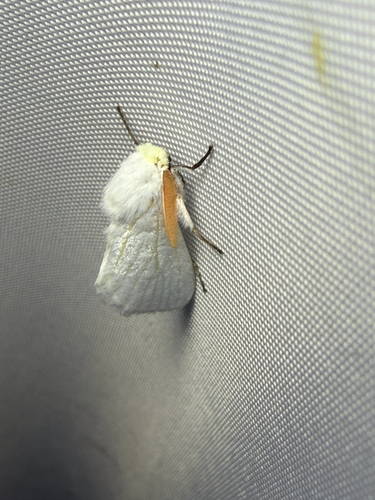
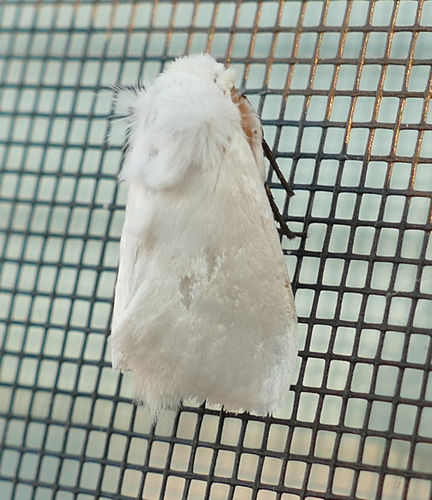
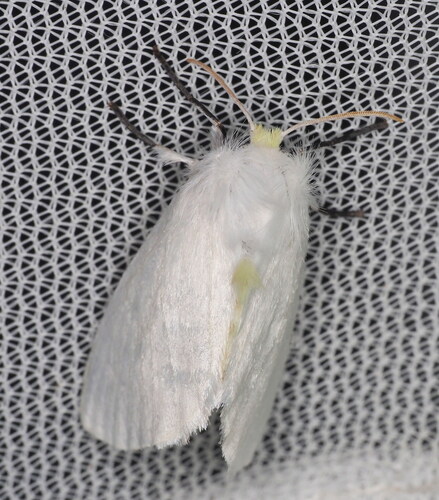
The forewings are relatively short, broad and not very shiny.
Source: Wikipedia
Size
Adults are like Norape walkeri but a bit smaller.
Source: Wikipedia
Where it lives
It lives from southern Texas and southern Arizona down through Central America to Colombia.
Source: Wikipedia
What it eats
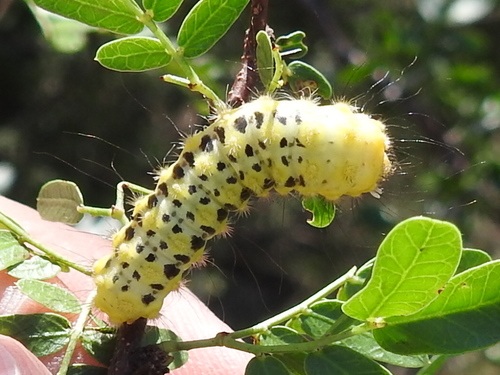
The caterpillars eat legume plants.
Source: Wikipedia
Life cycle
The species was first described by Arthur Gardiner Butler in 1877.
Source: Wikipedia
Where it comes from
Its native range includes southern Texas and southern Arizona in the United States and extends to Colombia.
Source: Wikipedia
Lookalikes
It can be mistaken for Norape walkeri, though it is smaller.
Source: Wikipedia
Where it is found in the US
Recorded in 2 of 51 states and DC. Most records: Texas, Arizona.
Darker = more records. Counts are museum and citizen-science records, not population size.
Source: GBIF
Months it is reported in the US
Source: GBIF
More photos
Questions people ask
How can I tell it apart from Norape walkeri?
It is smaller and has shorter, broader, less glossy forewings than Norape walkeri.
Source: Wikipedia
Same family (Megalopygidae)


Sources
- Wikipedia: https://en.wikipedia.org/wiki/Norape_virgo
Look it up elsewhere: GBIF · iNaturalist · BugGuide · Wikipedia
Text written 2026-10-25 from the sources above and checked sentence by sentence against them. Data fetched 2026-10-25.