 Bug FAQ
Milkweed Assassin Bug
Zelus longipes · Order: Hemiptera · Family: Reduviidae
Also called: assassin bug
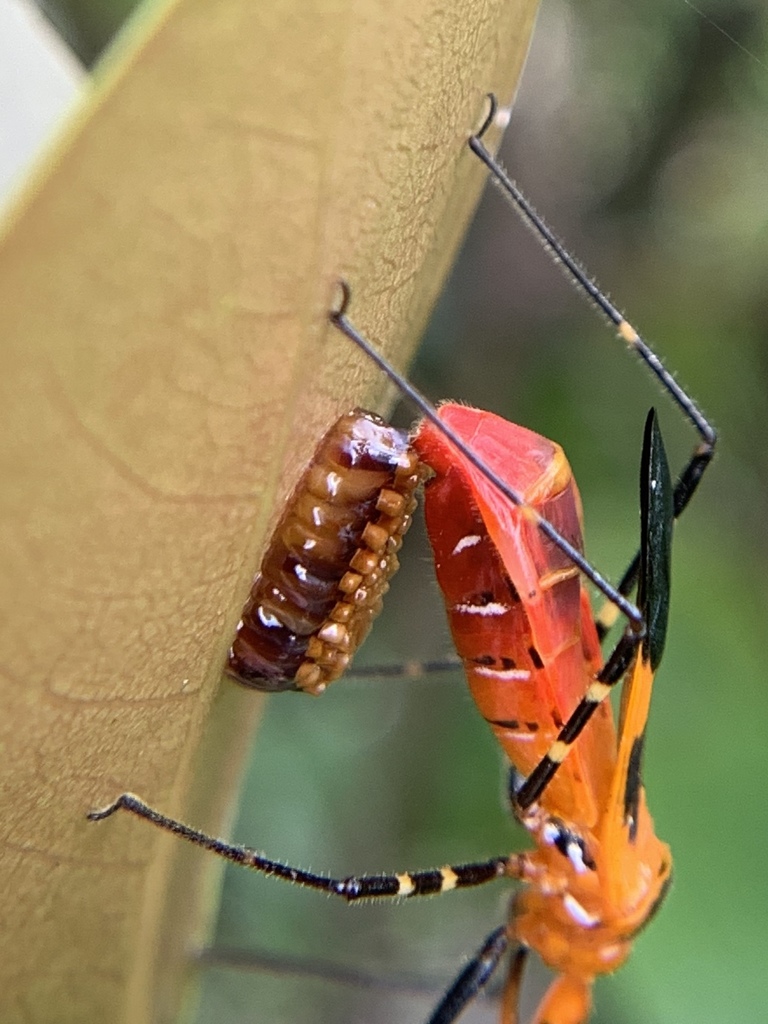
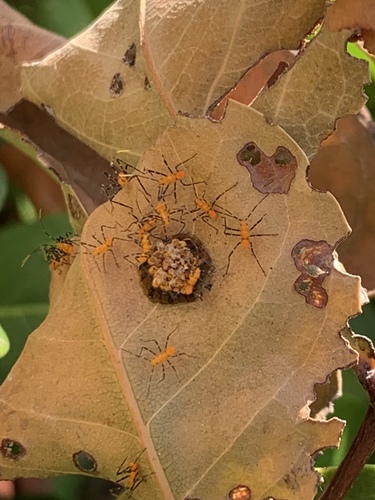
The milkweed assassin bug, Zelus longipes, belongs to the assassin-bug family Reduviidae and the Harpactorinae subfamily. It lives in southern North America, Central America and most of South America, especially in agricultural areas of Brazil. It is a generalist predator that prefers small caterpillars and is used to control picture-winged flies that damage sweet corn in Florida.
Source: Wikipedia
How to recognize it
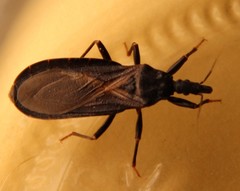
Zelus longipes is an assassin bug in the Reduviidae family, subfamily Harpactorinae.
Source: Wikipedia
Where it lives
Its range includes southern North America, Central America and most of South America, especially in Brazilian agroecosystems.
Source: Wikipedia
What it eats
It is a generalist predator used to control picture-winged flies that harm sweet corn in Florida. It prefers smaller caterpillars, likely to reduce injury risk while subduing prey.
Source: Wikipedia
Where it is found in the US
Recorded in 17 of 51 states and DC. Most records: Florida, Texas, Louisiana, South Carolina, North Carolina, Georgia, Alabama, Mississippi.
Darker = more records. Counts are museum and citizen-science records, not population size.
Source: GBIF
Status: native in North America; native in United States. Source: iNaturalist
Months it is reported in the US
Source: GBIF
More photos
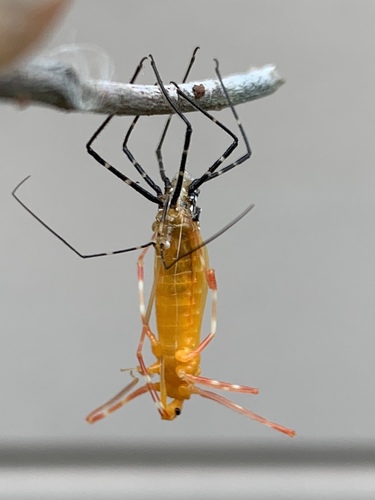
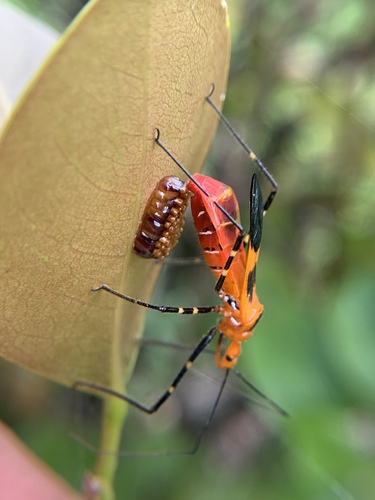
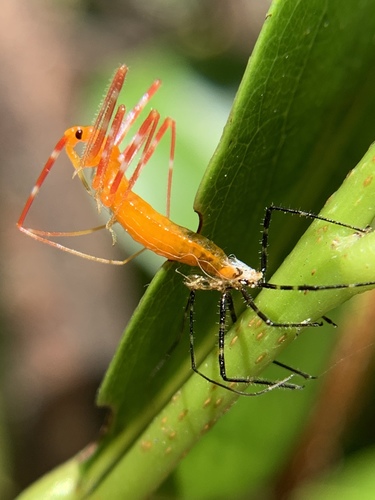
Questions people ask
Can it help control garden pests?
Yes, it preys on small caterpillars and picture-winged flies that damage crops.
Source: Wikipedia
Same family (Reduviidae)
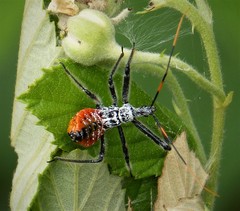 North American Wheel BugArilus cristatusCan bite
 Leafhopper Assassin BugZelus renardiiCan bite
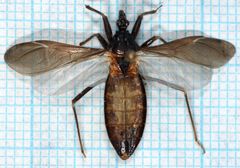 Masked HunterReduvius personatusCan bite
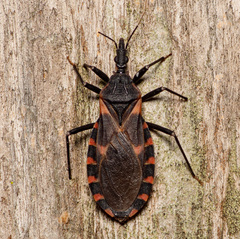 Eastern Bloodsucking ConenoseTriatoma sanguisugaCan spread germs or disease
 Western Bloodsucking ConenoseTriatoma protractaCan spread germs or disease
 Pale Green Assassin BugZelus luridusCan bite
Sources
- Wikipedia: https://en.wikipedia.org/wiki/Zelus_longipes
Look it up elsewhere: GBIF · iNaturalist · BugGuide · ITIS · Wikipedia
Text written 2026-10-22 from the sources above and checked sentence by sentence against them. Data fetched 2026-10-22.