 Bug FAQ
Mata
Anisolabis littorea · Order: Dermaptera · Family: Anisolabididae
Also called: seashore earwig
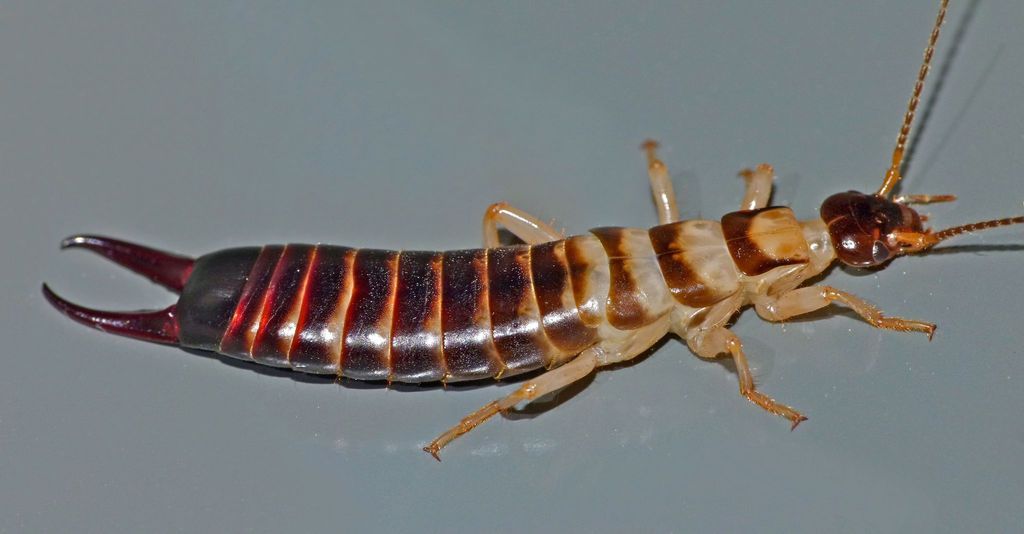
Mata earwigs are about 35 mm long with a dark brown body and yellow-brown legs. They live on New Zealand beaches, hiding under stones and debris, and hunt small animals such as millipedes, flies and woodlice.
Source: Wikipedia
How to recognize it
The insect is deep blackish-brown with fulvous (yellow-brown) legs, a triangular head with two small fulvous spots near the eyes, and short, slightly hooked forceps.
Source: Wikipedia
Size
Adults measure about 35 mm in length.
Source: Wikipedia
Where it lives
It is commonly found on beaches, sheltering under stones and other debris.
Source: Wikipedia
Life cycle
Females care for their young, and the larvae pass through five instars before reaching adulthood.
Source: Wikipedia
Where it comes from
The species is endemic to New Zealand.
Source: Wikipedia
Lookalikes
It is similar in ecology and taxonomy to the maritime earwig.
Source: Wikipedia
Questions people ask
Where can I find Mata earwig?
They live on New Zealand beaches, hiding under stones and debris.
Source: Wikipedia
What does Mata earwig eat?
It feeds on small invertebrates such as millipedes, flies and woodlice.
Source: Wikipedia
Does Mata earwig look like any other bug?
It is similar to the maritime earwig in appearance and habits.
Source: Wikipedia
Same family (Anisolabididae)


Sources
- Wikipedia: https://en.wikipedia.org/wiki/Seashore_earwig
Look it up elsewhere: GBIF · iNaturalist · BugGuide · Wikipedia
Text written 2026-10-23 from the sources above and checked sentence by sentence against them. Data fetched 2026-10-23.