 Bug FAQ
Mallow Skipper
Carcharodus alceae · Order: Lepidoptera · Family: Hesperiidae
Also called: Plain Marbled Skipper
Source: Wikipedia
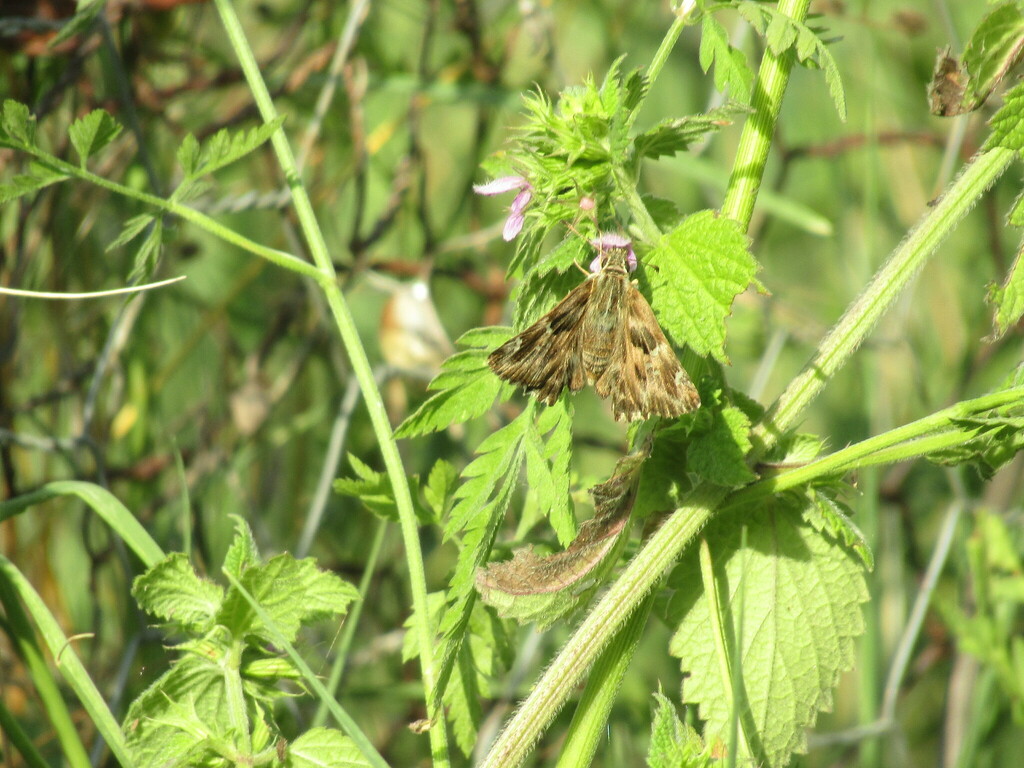
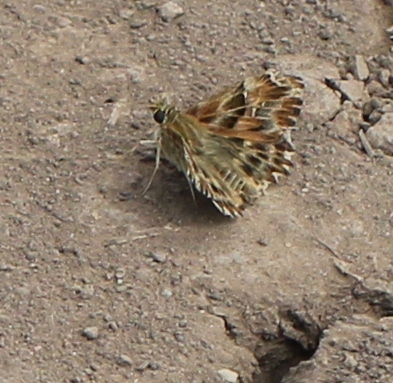
The Mallow Skipper has a wingspan of about 28 to 32 mm and the forewings are pink-brown with square brown marks and small clear spots; males lack a hair tuft on the underside of the forewings. It lives in dry, warm, stony places, wastelands, roadsides and gardens up to 1,100 m altitude, often where mallow plants grow. Adults fly from April to October, usually two generations in central Europe and more in the south.
Source: Wikipedia
How to recognize it
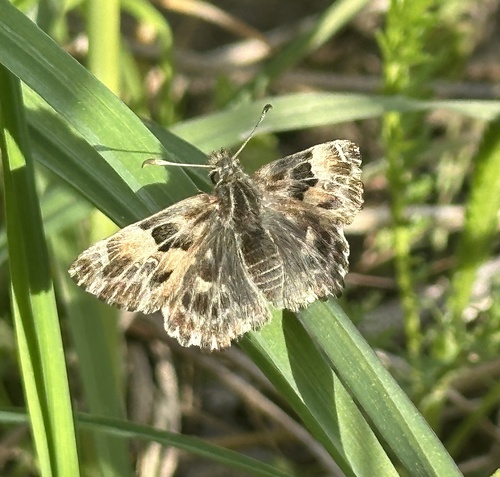
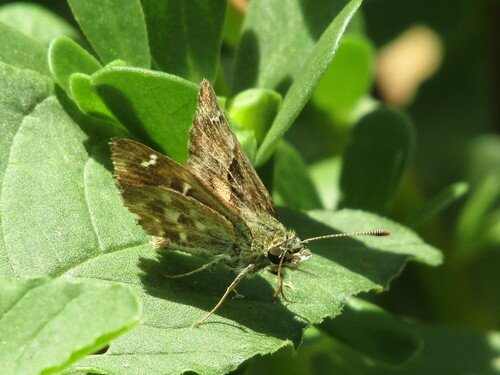
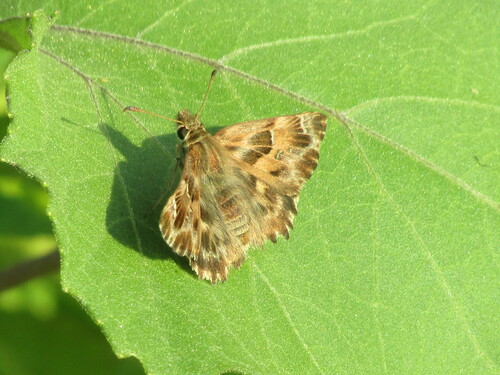
Forewings are pinkish-brown with square brown markings, short white stripes from the edge, and clear patches; hindwings are brownish-grey with bright spots underneath. Males have no hair tuft on the underside of the forewings, unlike some similar species.
Source: Wikipedia
Size
Wingspan ranges from 28 to 32 mm.
Source: Wikipedia
Where it lives
Prefers dry, warm, stony habitats, wastelands, warm ruderal sites and gardens up to 1,100 m. Also found on fallow land, industrial wasteland, roadsides, arable fields with seed mixes, garden edges and vineyard margins.
Source: Wikipedia
What it eats
Eggs are laid on mallow leaves and the caterpillars feed on various mallow species, Althaea, Lavatera and Hibiscus.
Source: Wikipedia
Life cycle
Caterpillars appear from mid-May to late-September, peaking in late August. Fully grown caterpillars overwinter and pupate in spring without further feeding.
Source: Wikipedia
When you see it
Adults are on the wing from April to October, usually two generations in central Europe and three or more in southern areas.
Source: Wikipedia
Where it comes from
Can be told apart from similar skippers by a toothed hind-wing edge and small unscaled “glass spots” on the forewings.
Source: Wikipedia
Lookalikes
Looks similar to the Marbled skipper and the False mallow skipper; males can be distinguished by the lack of a forewing hair tuft.
Source: Wikipedia
More photos
Questions people ask
What plants do Mallow Skippers damage?
Their larvae feed on mallow, Althaea, Lavatera, Hibiscus and related garden plants.
Source: Wikipedia
When can I see Mallow Skippers?
Adults fly from April through October, with two generations in central Europe and more in the south.
Source: Wikipedia
How can I tell a Mallow Skipper apart from similar butterflies?
Look for a toothed hind-wing edge, small clear spots on the forewings, and males lacking a hair tuft on the underside of the forewings.
Source: Wikipedia
Same family (Hesperiidae)




Sources
- Wikipedia: https://en.wikipedia.org/wiki/Carcharodus_alceae
Look it up elsewhere: GBIF · iNaturalist · BugGuide · Wikipedia
Text written 2026-10-22 from the sources above and checked sentence by sentence against them. Data fetched 2026-10-22.