 Bug FAQ
Lime Hawkmoth
Mimas tiliae · Order: Lepidoptera · Family: Sphingidae
Also called: Lime Hawk-Moth
Source: Wikipedia
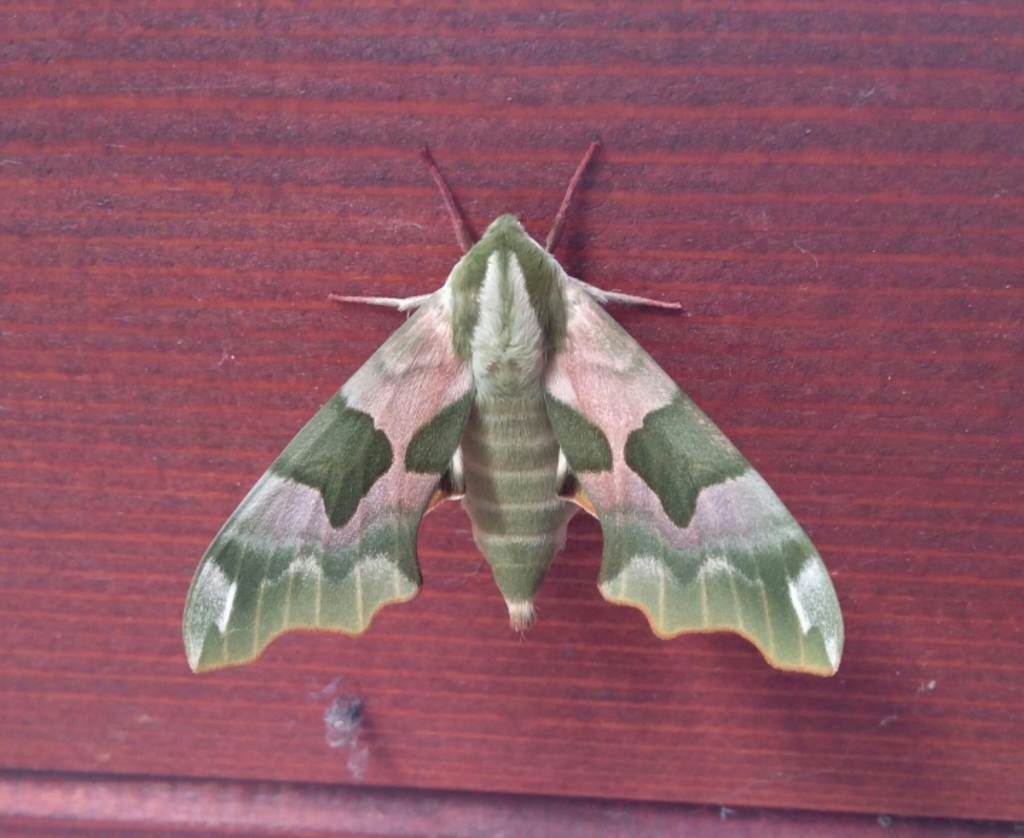
Size
Wingspan ranges from 70 to 80 mm (about 2¾ to 3⅛ inches).
Source: Wikipedia
Where it lives
Occurs throughout the Palearctic region, the Near East, and northern Spain.
Source: Wikipedia
What it eats
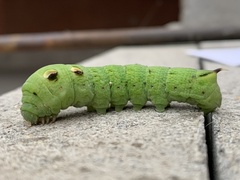
Larvae are green with yellow, red side markings and a blue horn, feeding mainly on lime but also on other trees and shrubs.
Source: Wikipedia
When you see it
Adults fly at night in May and June and are attracted to light.
Source: Wikipedia
Where it comes from
Its native range matches its habitat: Palearctic, Near East, and northern Spain.
Source: Wikipedia
Lookalikes
No other Palearctic sphingid shares its distinctive wing markings, so it is not easily confused with other species.
Source: Wikipedia
Where it is found in the US
Recorded in 2 of 51 states and DC. Most records: Maryland, Utah.
Darker = more records. Counts are museum and citizen-science records, not population size.
Source: GBIF
More photos

Questions people ask
Do lime hawkmoth larvae damage trees?
Yes, the larvae feed on lime trees and can cause damage to those trees and occasionally other shrubs.
Source: Wikipedia
Same family (Sphingidae)
 White-lined SphinxHyles lineataDamages trees, gardens or crops
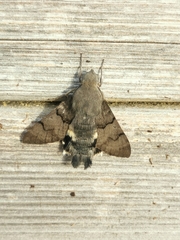 Eurasian Hummingbird HawkmothMacroglossum stellatarum
 Snowberry ClearwingHemaris diffinis
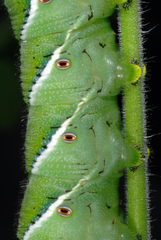 Carolina SphinxManduca sextaDamages trees, gardens or crops
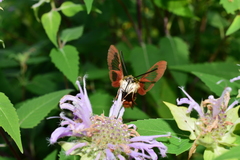 Hummingbird ClearwingHemaris thysbeDamages trees, gardens or crops
 Elephant HawkmothDeilephila elpenor
Sources
- Wikipedia: https://en.wikipedia.org/wiki/Mimas_tiliae
Look it up elsewhere: GBIF · iNaturalist · BugGuide · Wikipedia
Text written 2026-10-22 from the sources above and checked sentence by sentence against them. Data fetched 2026-10-22.