 Bug FAQ
Larch Casebearer Moth
Coleophora laricella · Order: Lepidoptera · Family: Coleophoridae
Also called: Larch Case-Bearer, Larch Leaf Miner, Larch casebearer
Source: Wikipedia
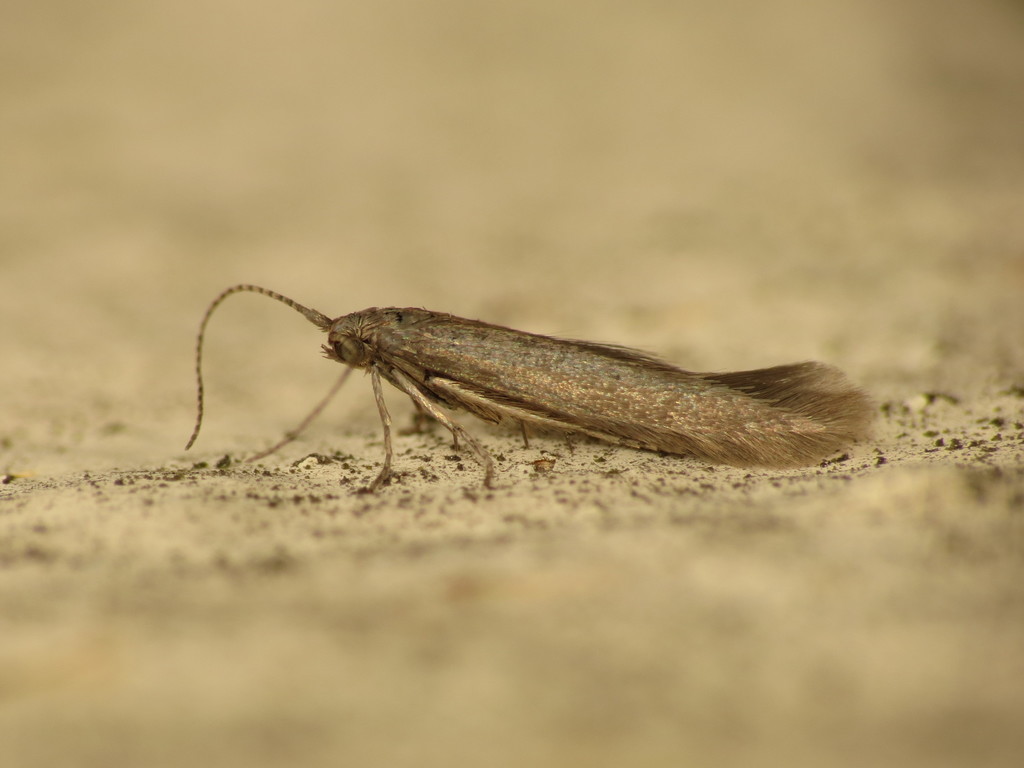
One generation develops each year: eggs hatch in July, larvae grow to 5 to 6 mm, then pupate about 11 months later before adults fly from May to July.
Source: Wikipedia
How to recognize it
They have no ocelli or maxillary palps, and their wings are sharply pointed and fringed. The head is grey, antennae are grey-whitish with faint rings, forewings shine grey and hindwings are grey.
Source: Wikipedia
Size
Adults measure 4 to 6 mm in body length and have a wingspan of 6 to 10 mm.
Source: Wikipedia
Is it a pest in the house?
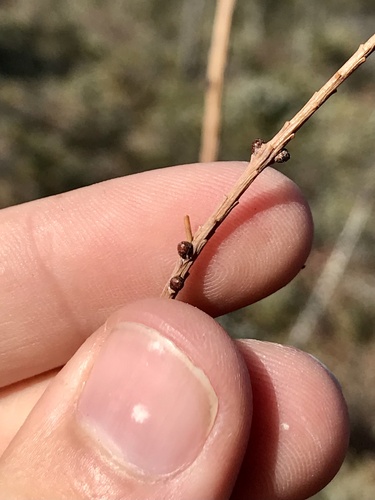
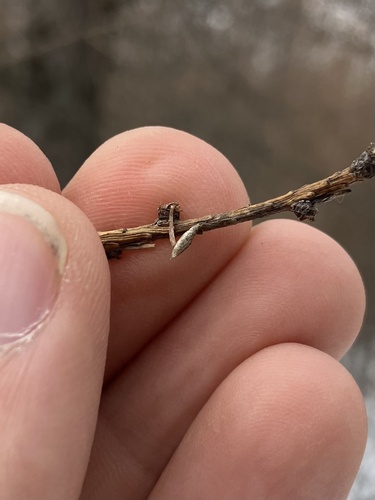
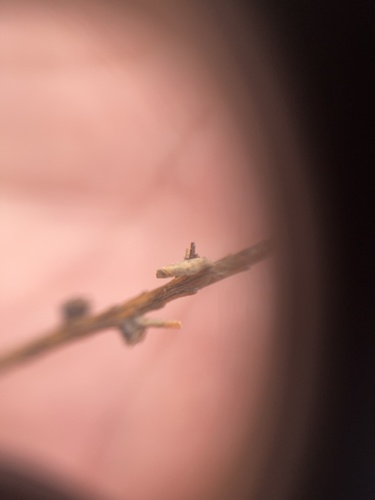
Repeated larval mining and pupation severely defoliate host larch trees.
Source: Wikipedia
How to get rid of it
- In high-value stands the USDA Forest Service permits malathion sprays to control larvae.
- When natural predators are insufficient, non-native parasitic wasps (Agathis pumila and Chrysocharis laricinellae) have been introduced.
Source: Wikipedia
Where it lives
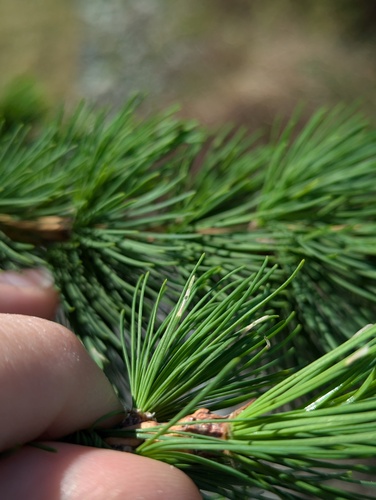
It originated in Central and Northern Europe on European larch (Larix decidua). Since the mid-19th century it has spread in North America, where it attacks western larch (L. occidentalis) and tamarack larch (L. laricina).
Source: Wikipedia
What it eats
Larvae feed on the needles of larch species, especially European larch, western larch and tamarack larch.
Source: Wikipedia
Life cycle
It produces one generation per year with egg, larva (four instars), pupa and adult stages.
Source: Wikipedia
When you see it
Adults are on the wing from May through July.
Source: Wikipedia
Where it comes from
The species is native to Central and Northern Europe.
Source: Wikipedia
Where it is found in the US
Recorded in 10 of 51 states and DC. Most records: Michigan, Idaho, Minnesota, New York, Maine, Washington, Alaska, Vermont.
Darker = more records. Counts are museum and citizen-science records, not population size.
Source: GBIF
Status: introduced in Canada. Source: iNaturalist
Months it is reported in the US
Source: GBIF
More photos
Questions people ask
How does the larch casebearer moth damage trees?
Its larvae mine and feed inside larch needles, causing severe defoliation of the host tree.
Source: Wikipedia
What control methods are used against this moth?
Malathion insecticide is authorized for larval control, and parasitic wasps have been introduced where natural control is inadequate.
Source: Wikipedia
Same family (Coleophoridae)



Sources
- Wikipedia: https://en.wikipedia.org/wiki/Coleophora_laricella
Look it up elsewhere: GBIF · iNaturalist · BugGuide · ITIS · Wikipedia
Text written 2026-10-29 from the sources above and checked sentence by sentence against them. Data fetched 2026-10-29.