 Bug FAQ
Hybomitra illota
Hybomitra illota · Order: Diptera · Family: Tabanidae
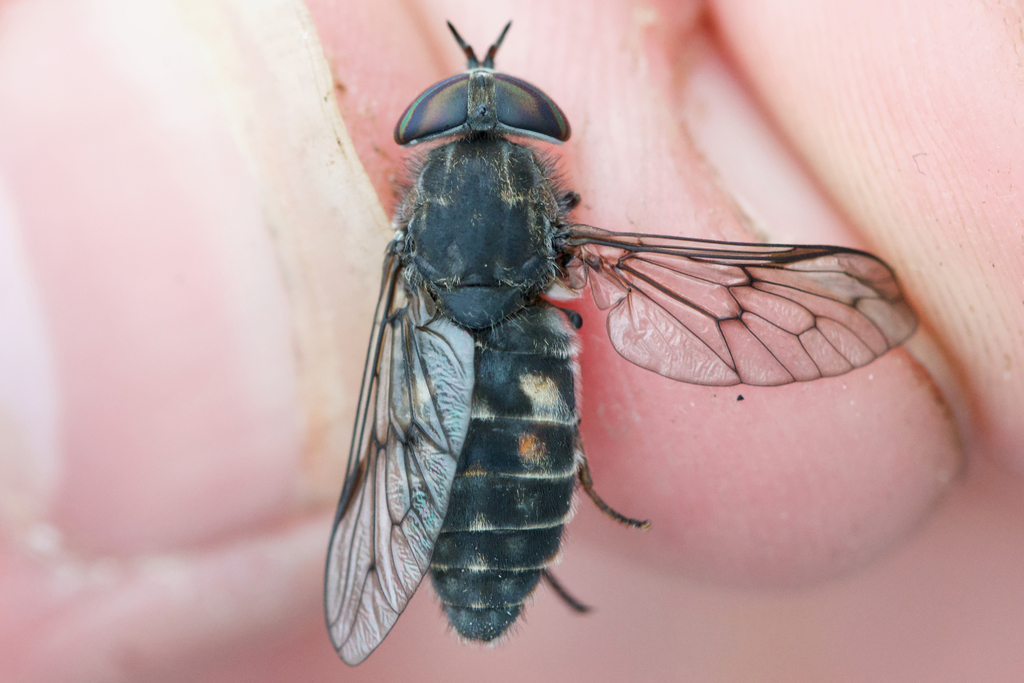
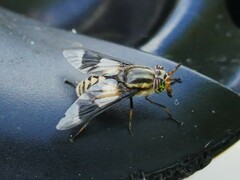
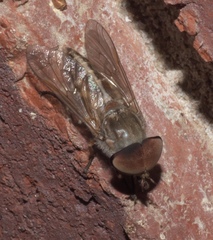
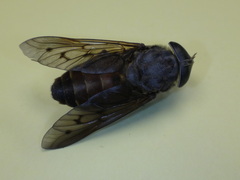
Hybomitra illota is a species of horse fly in the family Tabanidae. It is found in Canada and the United States.
Source: Wikipedia
How to recognize it
It belongs to the horse-fly family Tabanidae.
Source: Wikipedia
Is it a pest in the house?
It is considered a household pest like other horse flies.
Source: Wikipedia
Can it bite, sting or make you sick?
It can bite or sting like other horse flies.
Source: Wikipedia
How to get rid of it
Control methods are those used for horse flies.
Source: Wikipedia
When you see it
Adults are active during the season when horse flies are seen.
Source: Wikipedia
Where it comes from
Its range includes Canada and the United States.
Source: Wikipedia
Lookalikes
It may be confused with other horse-fly species.
Source: Wikipedia
Where it is found in the US
Recorded in 12 of 51 states and DC. Most records: Wisconsin, Michigan, Alaska, Idaho, Connecticut, North Dakota, Minnesota, Vermont.
Darker = more records. Counts are museum and citizen-science records, not population size.
Source: GBIF
Status: native in North America; native in Canada. Source: iNaturalist
Months it is reported in the US
Source: GBIF
More photos
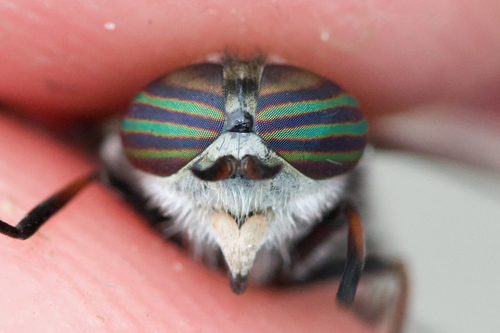
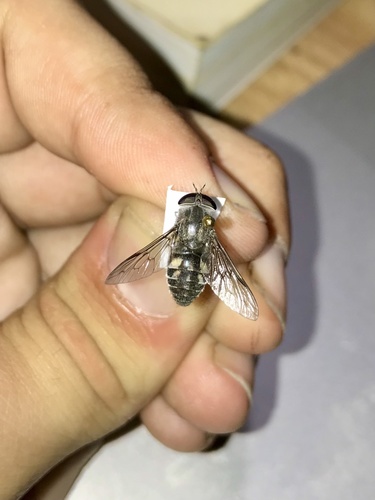
Questions people ask
What family does Hybomitra illota belong to?
It is a member of the horse-fly family Tabanidae.
Source: Wikipedia
Same family (Tabanidae)


Sources
- Wikipedia: https://en.wikipedia.org/wiki/Hybomitra_illota
Look it up elsewhere: GBIF · iNaturalist · BugGuide · ITIS · Wikipedia
Text written 2026-10-25 from the sources above and checked sentence by sentence against them. Data fetched 2026-10-25.