 Bug FAQ
Houdini Fly
Cacoxenus indagator · Order: Diptera · Family: Drosophilidae
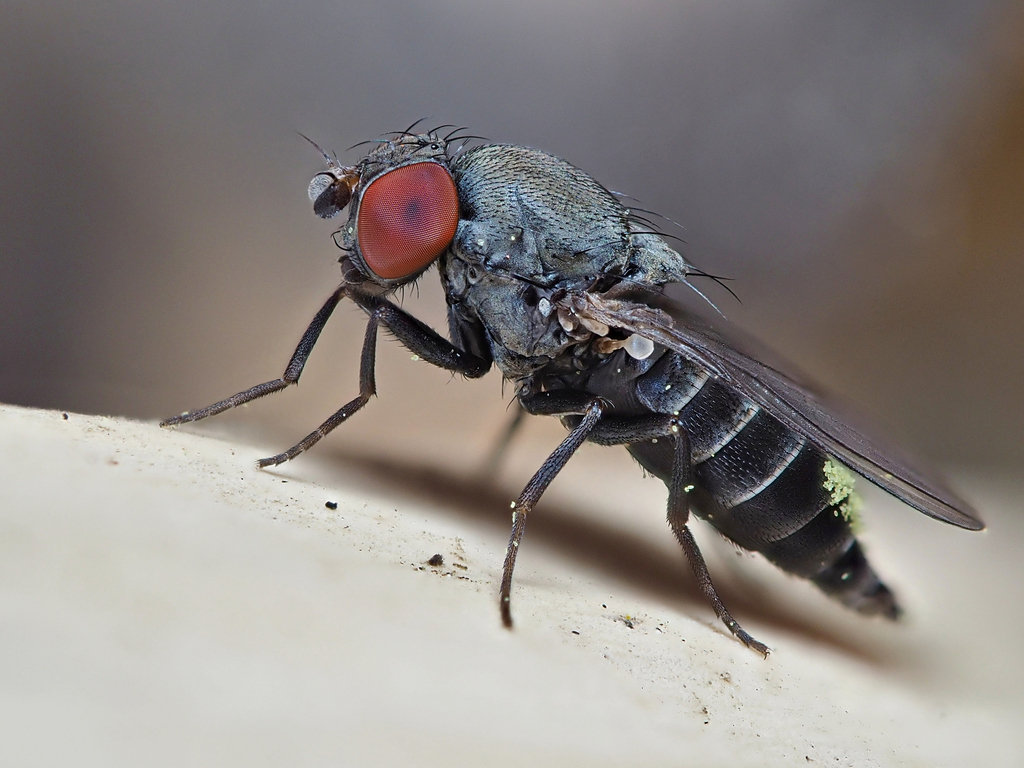
The Houdini fly is a kleptoparasite that deposits its eggs inside the pollen-filled cells of mason bee nests. Its larvae can break out of those cells after hatching, which gives the species its common name. Cacoxenus indagator is native to central and southern Europe.
Source: Wikipedia
Where it lives
It lives in the nests of mason bees where it can access pollen stores.
Source: Wikipedia
What it eats
Its larvae feed on the pollen provisions left by mason bees.
Source: Wikipedia
Life cycle
After hatching, the larvae can escape from the bee’s nest cell, which is why it is called the Houdini fly.
Source: Wikipedia
Where it comes from
The species originates from central and southern Europe.
Source: Wikipedia
Where it is found in the US
Recorded in 6 of 51 states and DC. Most records: Washington, Oregon, Pennsylvania, New Jersey, Maryland, Massachusetts.
Darker = more records. Counts are museum and citizen-science records, not population size.
Source: GBIF
Status: introduced in United States; introduced in Canada. Source: iNaturalist
Months it is reported in the US
Source: GBIF
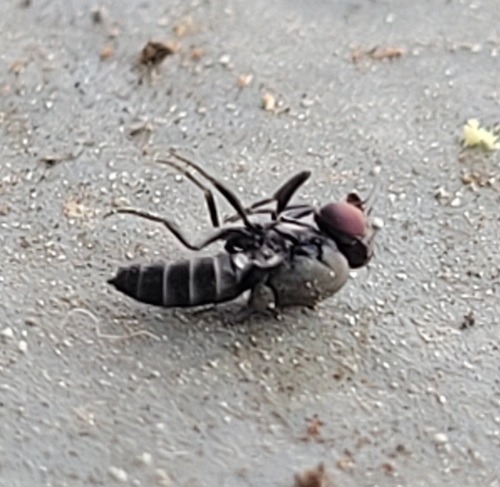
More photos
Questions people ask
How does the Houdini fly reproduce?
The female lays her eggs inside the pollen-filled cells of mason bee nests, and the hatchlings break out of those cells.
Source: Wikipedia
Where is the Houdini fly originally from?
It is native to central and southern Europe.
Source: Wikipedia
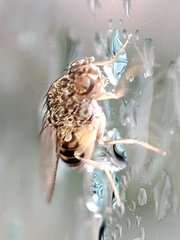
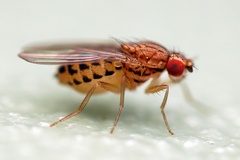
Same family (Drosophilidae)


Sources
- Wikipedia: https://en.wikipedia.org/wiki/Cacoxenus_indagator
Look it up elsewhere: GBIF · iNaturalist · BugGuide · Wikipedia
Text written 2026-10-29 from the sources above and checked sentence by sentence against them. Data fetched 2026-10-29.