 Bug FAQ
Ground wolf spider
Trochosa terricola · Order: Araneae · Family: Lycosidae
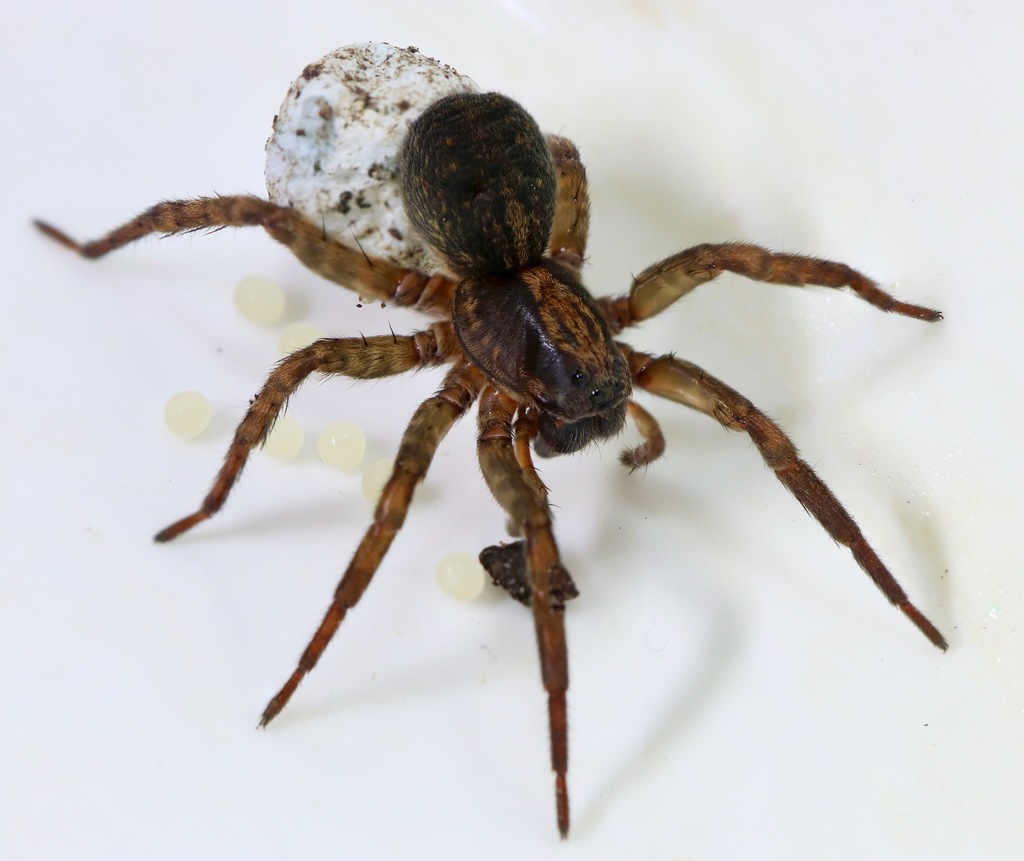
Ground wolf spiders are 7 to 14 mm long; males are usually 7 to 9 mm and females up to 14 mm. They live across most of Europe and the British Isles in dry heath, woodland, grassland and even upland sites, often under stones or logs.
Source: Wikipedia
How to recognize it
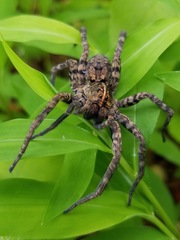
Two short lines on the carapace are a key feature of Trochosa spiders, and a dark heart-shaped mark distinguishes this species from the similar T. ruricola, which has a light mark.
Source: Wikipedia
Size
Males measure 7 to 9 mm, while females range from 7 to 14 mm in length.
Source: Wikipedia
Where it lives
It prefers dry, heath-like conditions but can also be found in woodland, grassland, industrial sites and even in bog or marsh pitfall traps. Unlike its close relative T. ruricola, it is often common in upland areas.
Source: Wikipedia
Life cycle
Adults of both sexes are recorded from March through November, peaking in spring to mid-summer; in warmer regions they may be active year-round.
Source: Wikipedia
When you see it
Adult spiders are present from March to November, with the highest numbers in spring and early summer; in milder climates they can be seen all year.
Source: Wikipedia
Where it comes from
The species is Holarctic, occurring throughout Europe, including Great Britain and Ireland, but not in Iceland.
Source: Wikipedia
Lookalikes
It looks similar to other Trochosa species, especially T. ruricola, but can be told apart by the dark cardiac mark on the abdomen.
Source: Wikipedia
Where it is found in the US
Recorded in 26 of 51 states and DC. Most records: Maine, Alaska, Illinois, Montana, Minnesota, North Dakota, Colorado, New Mexico.
Darker = more records. Counts are museum and citizen-science records, not population size.
Source: GBIF
Status: native in North America; native in United States; native in Canada. Source: iNaturalist
Months it is reported in the US
Source: GBIF
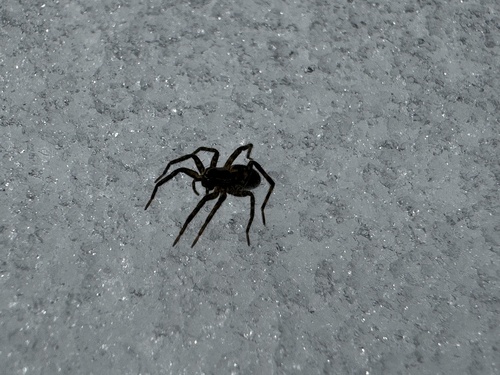
More photos
Questions people ask
When are ground wolf spiders active?
Adults are seen from March to November, with a peak in spring to mid-summer; in warm areas they may be active all year.
Source: Wikipedia
How can I tell this spider apart from similar species?
Look for two short lines on the carapace and a dark heart-shaped mark on the abdomen; the similar T. ruricola has a light mark instead.
Source: Wikipedia
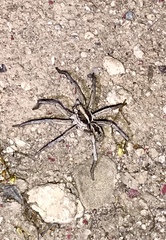
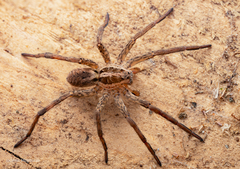
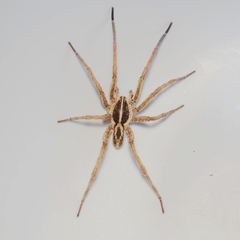
Same family (Lycosidae)


Sources
- Wikipedia: https://en.wikipedia.org/wiki/Trochosa_terricola
Look it up elsewhere: GBIF · iNaturalist · BugGuide · ITIS · Wikipedia
Text written 2026-10-24 from the sources above and checked sentence by sentence against them. Data fetched 2026-10-24.