 Bug FAQ
Grote's Sphinx
Cautethia grotei · Order: Lepidoptera · Family: Sphingidae
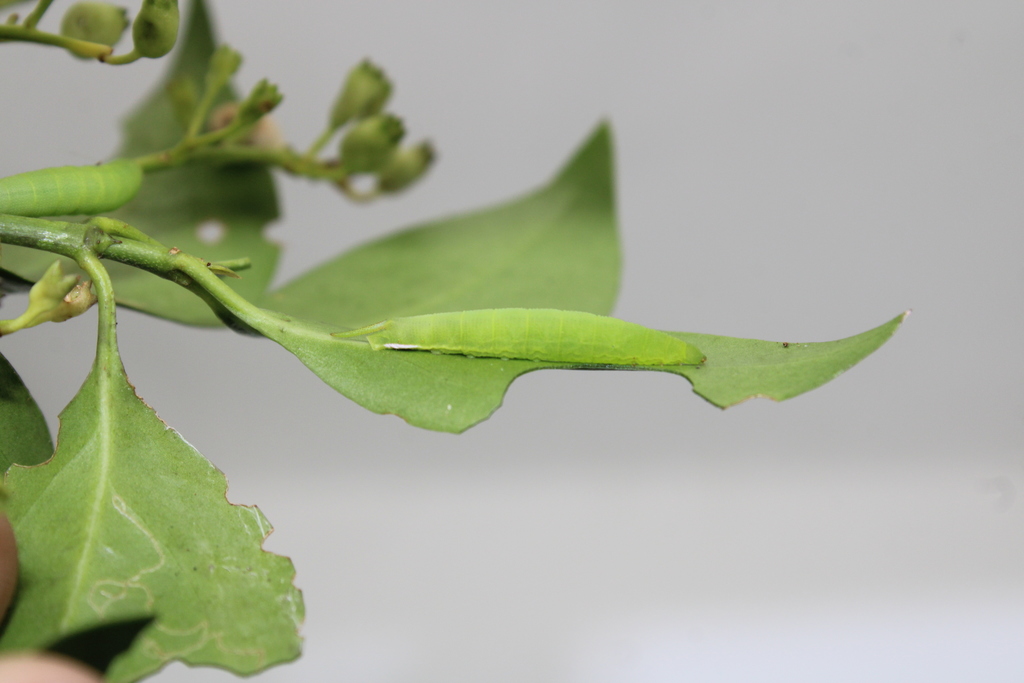
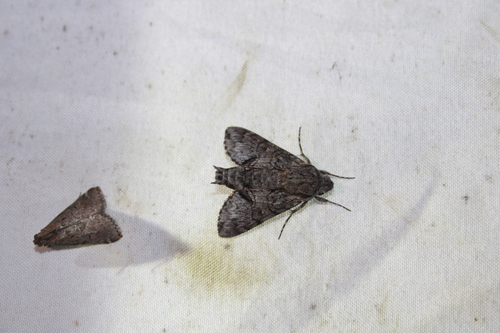
Grote's sphinx is a moth in the hawk-moth family with a wingspan of about 28 to 40 mm. It lives in Florida and on Caribbean islands, where adults sip nectar from flowers such as Asystasia gangetica and Dracaena fragrans, while the caterpillars feed on several Rubiaceae plants. In Florida the species can produce several generations each year.
Source: Wikipedia
How to recognize it
Cautethia grotei, known as Grote's sphinx, belongs to the family Sphingidae.
Source: Wikipedia
Size
Its wingspan ranges from 28 to 40 mm.
Source: Wikipedia
Where it lives
It is found in the U.S. state of Florida and on Caribbean islands.
Source: Wikipedia
What it eats
Caterpillars feed on Rubiaceae species such as milkberry, black torch, and common snowberry.
Source: Wikipedia
Life cycle
Multiple generations occur each year in Florida.
Source: Wikipedia
Where it comes from
Its range includes Florida and the Caribbean islands.
Source: Wikipedia
Where it is found in the US
Recorded in 1 of 51 states and DC. Most records: Florida.
Darker = more records. Counts are museum and citizen-science records, not population size.
Source: GBIF
Months it is reported in the US
Source: GBIF
More photos
Questions people ask
What do the caterpillars eat?
The larvae feed on several Rubiaceae plants, including milkberry, black torch, and common snowberry.
Source: Wikipedia
Where can I find Grote's sphinx?
It occurs in Florida and on islands throughout the Caribbean.
Source: Wikipedia
Same family (Sphingidae)

Sources
- Wikipedia: https://en.wikipedia.org/wiki/Cautethia_grotei
Look it up elsewhere: GBIF · iNaturalist · BugGuide · ITIS · Wikipedia
Text written 2026-10-26 from the sources above and checked sentence by sentence against them. Data fetched 2026-10-26.