 Bug FAQ
Gray Petaltail
Tachopteryx thoreyi · Order: Odonata · Family: Petaluridae
Also called: Grey Petaltail, Thorey's Grayback

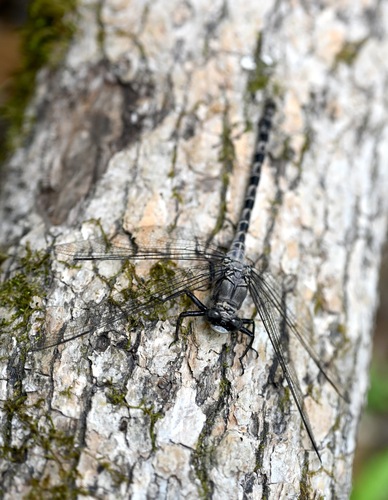
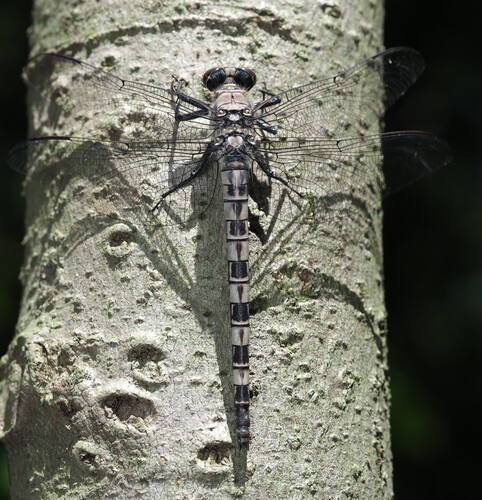
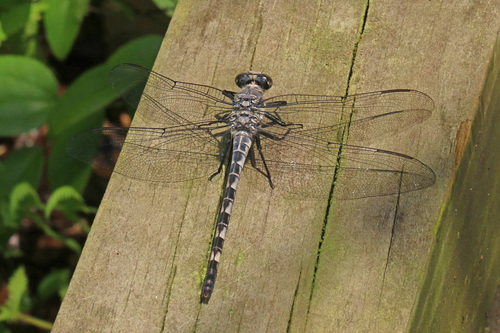
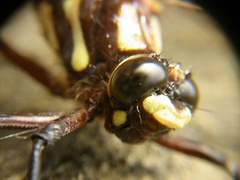
The adult gray petaltail measures about 7 to 8 centimeters long. It is mostly gray with black markings; the thorax is solid gray and the abdomen shows gray and black patterning. It lives in highland woodlands and deciduous forests that have permanent seeps, often where skunk cabbage and ferns grow.
Source: Wikipedia
Where it lives
It inhabits highlands, woodlands, and deciduous forests that contain permanent seeps, often indicated by skunk cabbage and ferns.
Source: Wikipedia
Where it comes from
Its range covers the U.S. East Coast from New York to Florida and extends westward to Texas.
Source: Wikipedia
Lookalikes
It is the sole species in the monotypic genus Tachopteryx, so there are no close look-alikes.
Source: Wikipedia
Where it is found in the US
Recorded in 24 of 51 states and DC. Most records: Ohio, Virginia, North Carolina, Tennessee, Texas, Maryland, Georgia, Florida.
Darker = more records. Counts are museum and citizen-science records, not population size.
Source: GBIF
Status: native in North America; native in United States. Source: iNaturalist
Months it is reported in the US
Source: GBIF
More photos
Same family (Petaluridae)

Sources
- Wikipedia: https://en.wikipedia.org/wiki/Tachopteryx
Look it up elsewhere: GBIF · iNaturalist · BugGuide · ITIS · Wikipedia
Text written 2026-10-23 from the sources above and checked sentence by sentence against them. Data fetched 2026-10-22.