 Bug FAQ
Carové's Giant Dragonfly
Uropetala carovei · Order: Odonata · Family: Petaluridae
Also called: New Zealand Bush Giant Dragonfly, Bush Giant Dragonfly
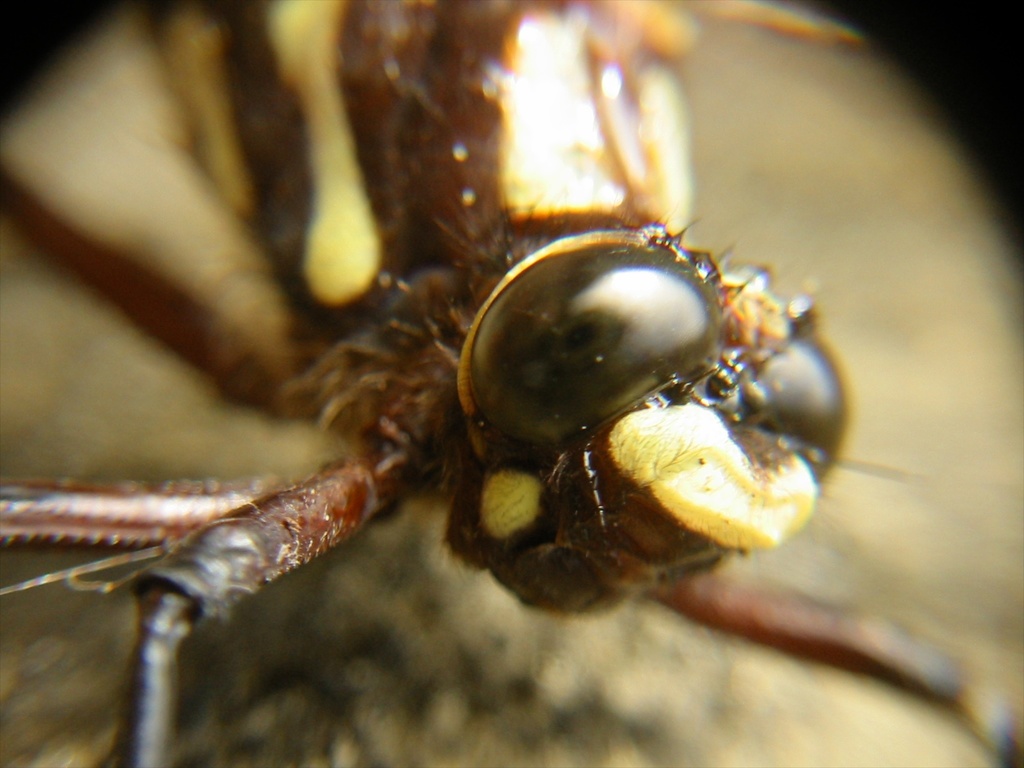
Carové's Giant Dragonfly can reach about 95 mm in body length and a wingspan of up to 130 mm, with females a bit larger than males. They live in damp native forest areas of western New Zealand, where their larvae burrow into soft stream-bank soil and stay in a water-filled chamber for several years. Adults hunt smaller insects such as butterflies, cicadas and wasps while flying, and the nymphs are preyed upon by weka and feral cats.
Source: Wikipedia
Size
Body length can be up to 95 mm (3.7 in) and wingspan up to 130 mm (5.1 in). Females are slightly larger than males.
Source: Wikipedia
What it eats
Nymphs are preyed upon by weka and feral cats.
Source: Wikipedia
Life cycle
They emerge at night to hunt near the burrow entrance.
Source: Wikipedia
When you see it
After mating, females lay eggs on shaded banks of streams.
Source: Wikipedia
More photos
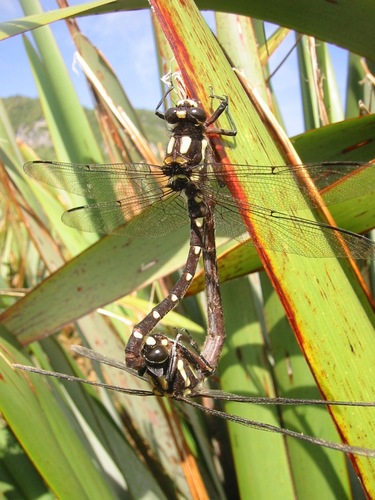
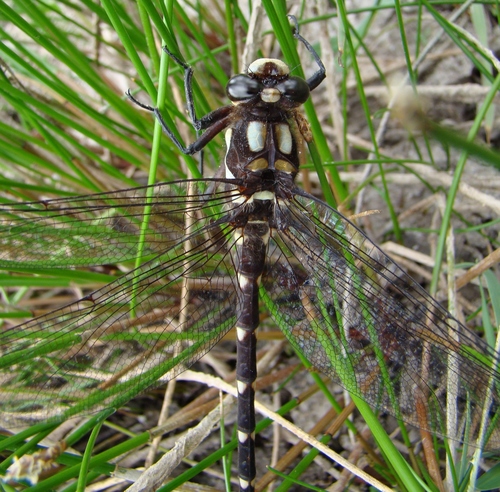
Questions people ask
What do adult Carové's Giant Dragonflies eat?
They catch and eat smaller insects such as butterflies, cicadas and wasps while flying.
Source: Wikipedia
Where are Carové's Giant Dragonflies found?
They live in damp native forest areas, especially the western parts and West Coast of New Zealand.
Source: Wikipedia
Same family (Petaluridae)


Sources
- Wikipedia: https://en.wikipedia.org/wiki/Uropetala_carovei
Look it up elsewhere: GBIF · iNaturalist · BugGuide · Wikipedia
Text written 2026-10-23 from the sources above and checked sentence by sentence against them. Data fetched 2026-10-23.