 Bug FAQ
Gladiator Meadow Katydid
Orchelimum gladiator · Order: Orthoptera · Family: Tettigoniidae
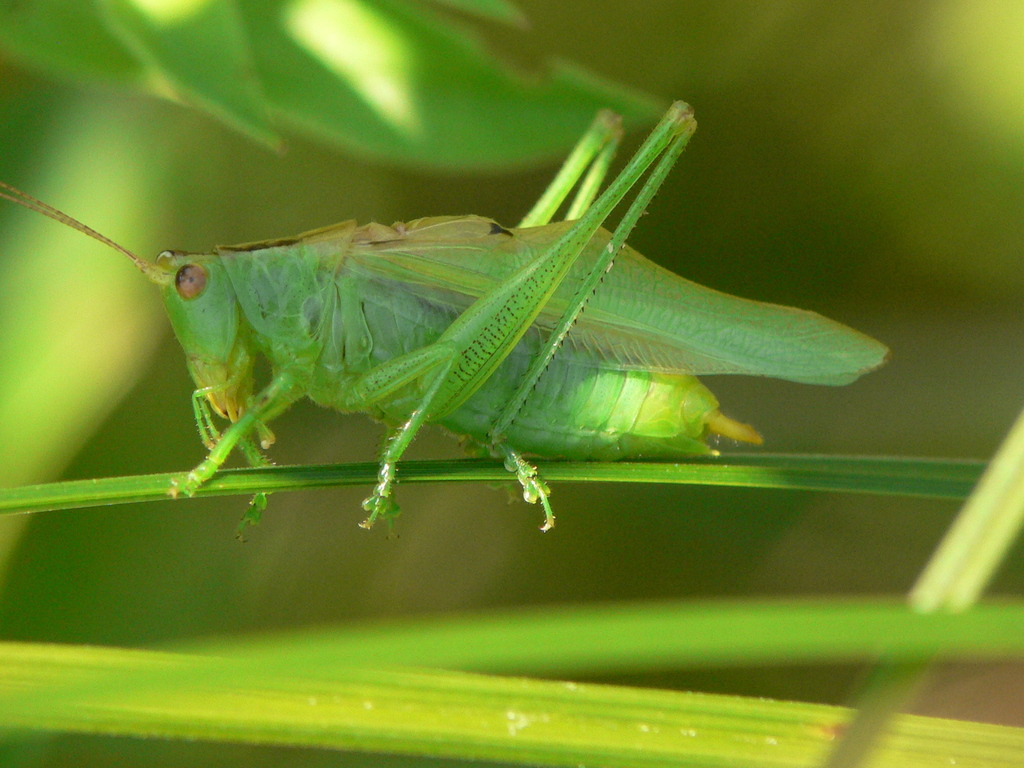
Males measure about 17 mm long, while females are slightly larger at 18 to 20 mm. It lives in long-grass areas near water such as prairies and meadows, especially in the northern United States and also in parts of southeast Asia.
Source: Wikipedia
Size
Males are about 17 mm long; females are larger, ranging from 18 to 20 mm.
Source: Wikipedia
Where it comes from
It is commonly found in the northern United States. A moderate population also occurs in southeast Asia.
Source: Wikipedia
Where it is found in the US
Recorded in 24 of 51 states and DC. Most records: Ohio, Illinois, New York, Minnesota, Montana, Idaho, Massachusetts, Oregon.
Darker = more records. Counts are museum and citizen-science records, not population size.
Source: GBIF
Status: native in North America; native in Canada. Source: iNaturalist
Months it is reported in the US
Source: GBIF
More photos
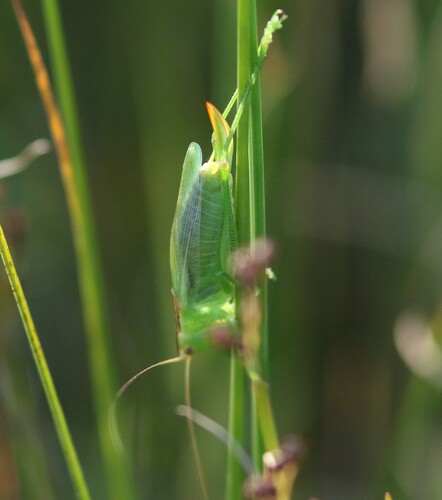
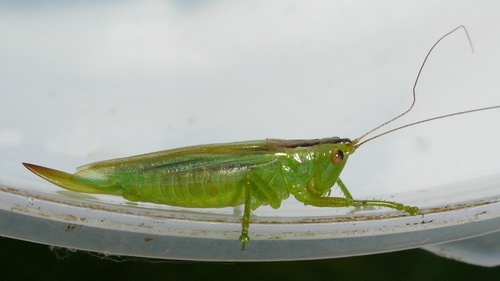
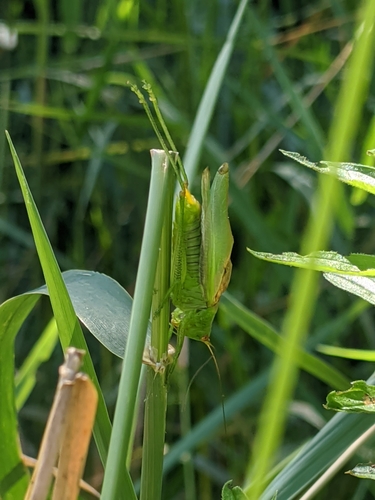
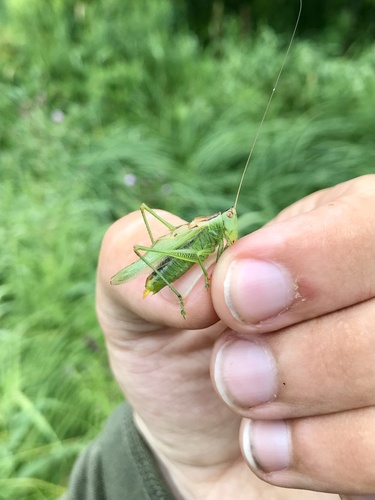
Questions people ask
Where can I find the gladiator meadow katydid?
Look for it in long grass near water, especially in prairies and meadows of the northern United States, and it also occurs in parts of southeast Asia.
Source: Wikipedia
How big are male and female gladiator meadow katydids?
Males are about 17 mm long, while females range from 18 to 20 mm.
Source: Wikipedia
Same family (Tettigoniidae)
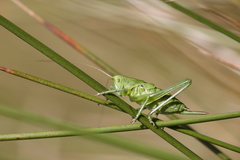 Great Green Bush-cricketTettigonia viridissimaCan bite
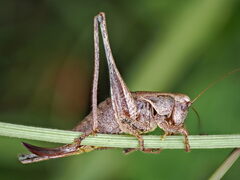 Dark Bush-cricketPholidoptera griseoaptera
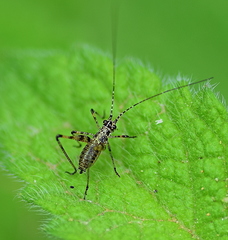 Mediterranean KatydidPhaneroptera nanaDamages trees, gardens or crops
 Fork-tailed Bush KatydidScudderia furcataDamages trees, gardens or crops
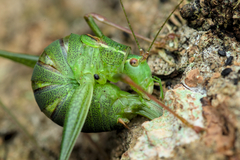 Speckled Bush-cricketLeptophyes punctatissima
 Roesel's Bush-cricketRoeseliana roeselii
Sources
- Wikipedia: https://en.wikipedia.org/wiki/Orchelimum_gladiator
Look it up elsewhere: GBIF · iNaturalist · BugGuide · ITIS · Wikipedia
Text written 2026-10-28 from the sources above and checked sentence by sentence against them. Data fetched 2026-10-28.