 Bug FAQ
Geolycosa pikei
Geolycosa pikei · Order: Araneae · Family: Lycosidae
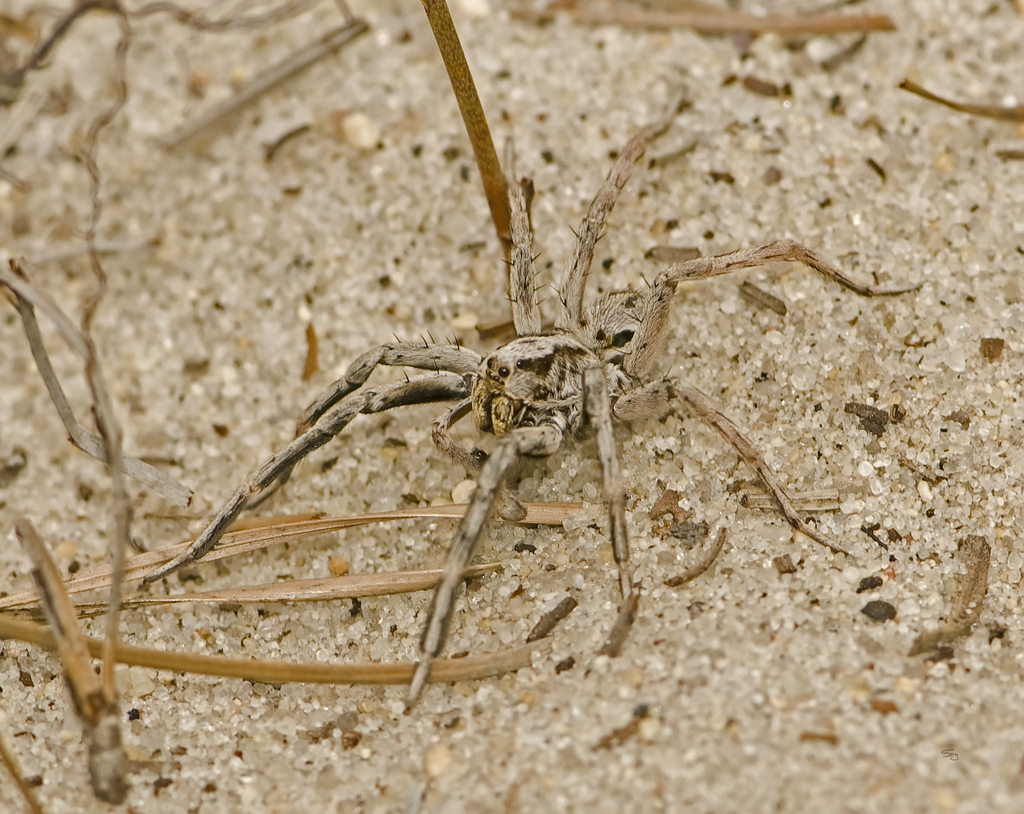
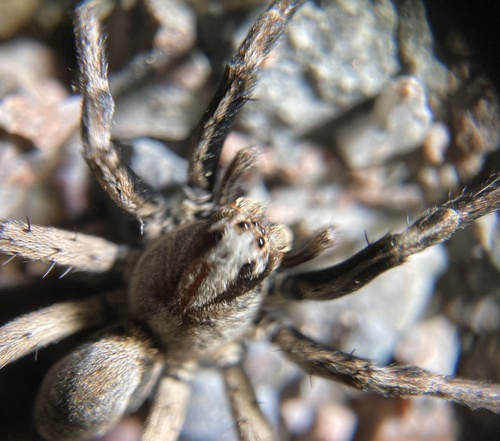
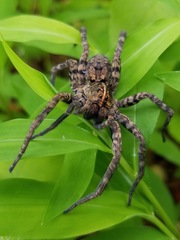
Geolycosa pikei is a wolf spider that lives in the United States and moves across sandy ground at dusk to catch insects. Females measure 18 to 22 mm and males about 14 mm; their sandy gray-brown bodies with black markings blend into the sand, making them hard to spot until they move.
Source: Wikipedia
How to recognize it
The spider’s color ranges from sandy gray to brown with black markings. Its coloration makes it difficult to see on sand until it starts moving.
Source: Wikipedia
Size
Females are 18 to 22 mm long, while males are about 14 mm.
Source: Wikipedia
What it eats
It hunts insects at dusk by running quickly over sand.
Source: Wikipedia
Life cycle
Both young spiders and adults dig holes in the sand. When its abdomen is wounded, the spider quickly seals the wound with a hemolymph clot.
Source: Wikipedia
When you see it
The spider is active at dusk, running over sand to catch prey.
Source: Wikipedia
Where it comes from
Geolycosa pikei is found in the United States.
Source: Wikipedia
Lookalikes
Its sand burrow resembles that of a tiger beetle but is larger.
Source: Wikipedia
Where it is found in the US
Recorded in 12 of 51 states and DC. Most records: Massachusetts, New Jersey, New York, Arizona, North Carolina, Maine, Florida, Maryland.
Darker = more records. Counts are museum and citizen-science records, not population size.
Source: GBIF
Months it is reported in the US
Source: GBIF
More photos
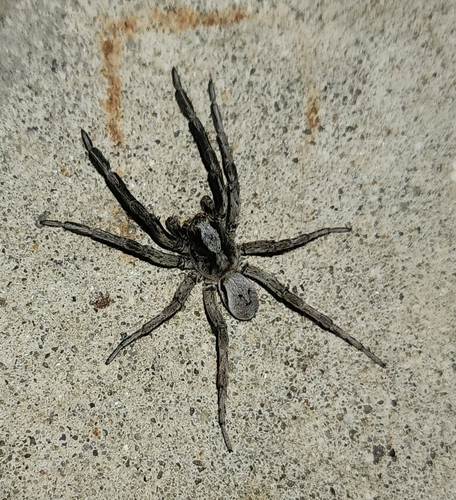
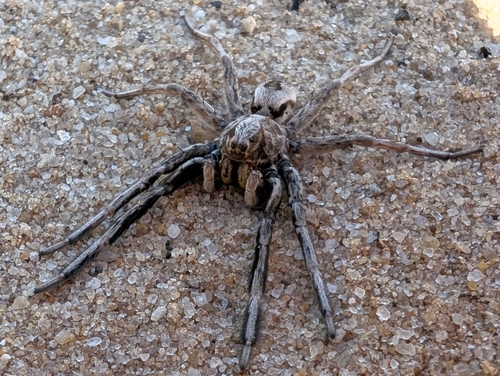
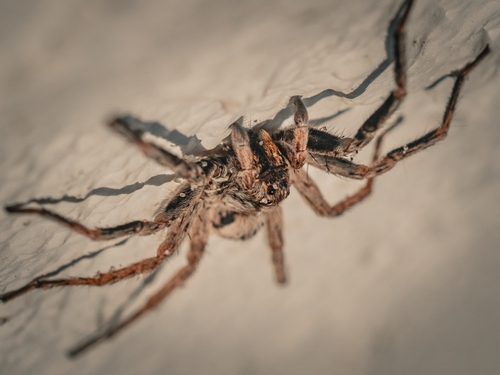
Questions people ask
How does Geolycosa pikei hunt?
It runs quickly over the sand at dusk to capture insects.
Source: Wikipedia
What does its burrow look like?
The spider’s hole looks similar to a tiger beetle’s burrow, only larger.
Source: Wikipedia
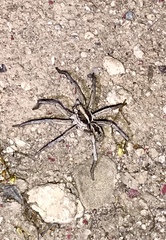
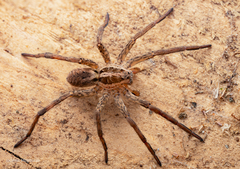
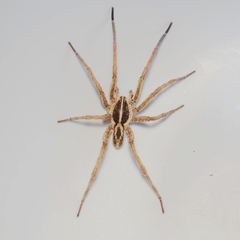
Same family (Lycosidae)


Sources
- Wikipedia: https://en.wikipedia.org/wiki/Geolycosa_pikei
Look it up elsewhere: GBIF · iNaturalist · BugGuide · ITIS · Wikipedia
Text written 2026-10-29 from the sources above and checked sentence by sentence against them. Data fetched 2026-10-29.