 Bug FAQ
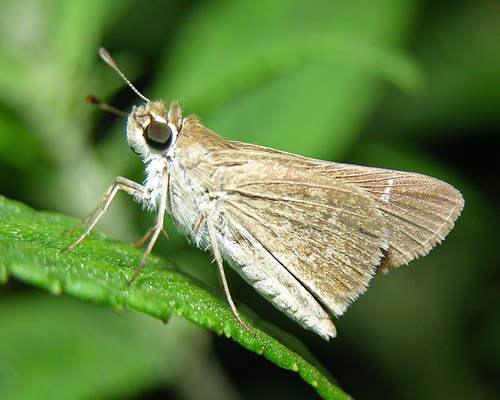
Eufala Skipper
Lerodea eufala · Order: Lepidoptera · Family: Hesperiidae
Also called: Gray Skipper, rice leaffolder
Source: Wikipedia
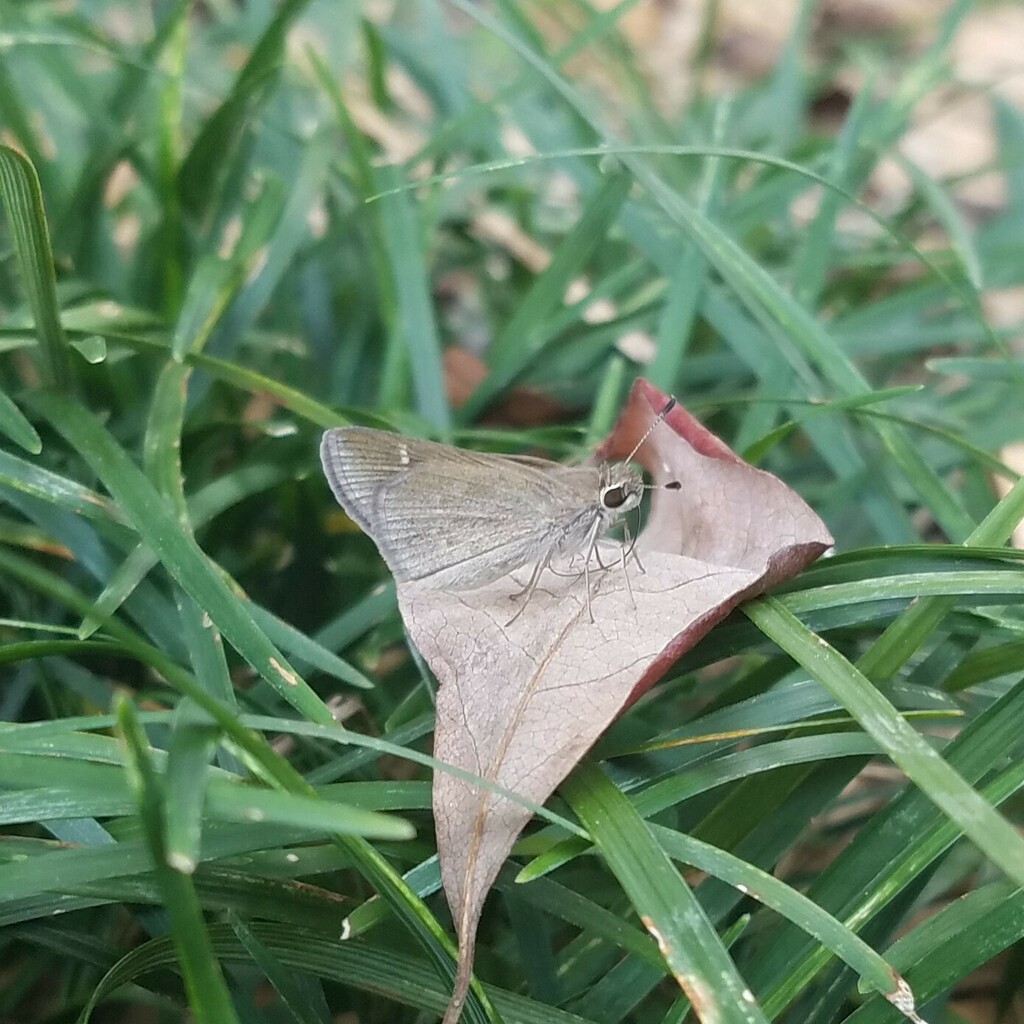
The Eufala skipper has a wingspan of about 25 to 32 mm. It lives across the southern United States to California and further south through Mexico to Patagonia, and moves north in summer to places like North Dakota and Washington, D.C.. Adults sip nectar from many flowers, while the caterpillars eat grasses including sorghum, bermudagrass and sugarcane.
Source: Wikipedia
How to recognize it
Lerodea eufala is the scientific name of the Eufala skipper butterfly.
Source: Wikipedia
Size
Its wingspan ranges from 25 to 32 mm.
Source: Wikipedia
Where it lives
It is found from the Georgia coast through Florida and across the southern U.S. to southern California, and further south through Mexico to Patagonia.
Source: Wikipedia
What it eats
Caterpillars feed on grasses such as sorghum, bermudagrass and sugarcane. Adult butterflies drink nectar from flowers like croton, alfalfa, composites and lippia.
Source: Wikipedia
Life cycle
There are two generations in the deep south, with adults flying from February to October. In Florida, southern Texas and Arizona, there are multiple generations throughout the year.
Source: Wikipedia
When you see it
Multiple generations occur year-round in Florida, southern Texas and Arizona.
Source: Wikipedia
Where it comes from
Its native range covers the southern United States, Mexico, Central America and down to Patagonia.
Source: Wikipedia
Where it is found in the US
Recorded in 29 of 51 states and DC. Most records: Texas, California, Florida, Arizona, South Carolina, Georgia, North Carolina, Oklahoma.
Darker = more records. Counts are museum and citizen-science records, not population size.
Source: GBIF
Status: native in North America; native in United States. Source: iNaturalist
Months it is reported in the US
Source: GBIF
More photos
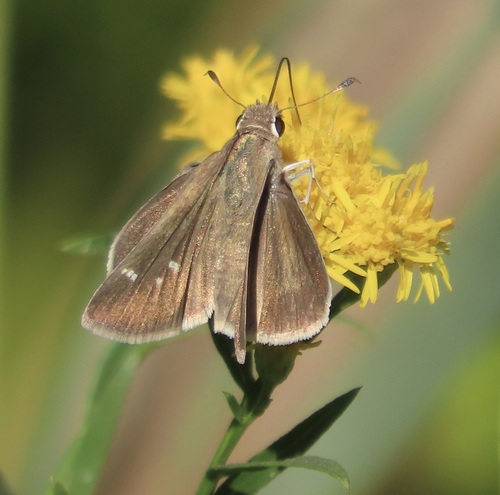
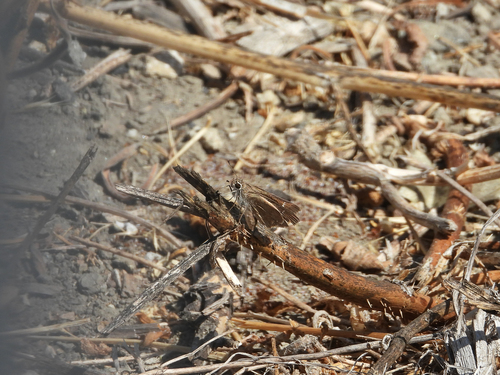
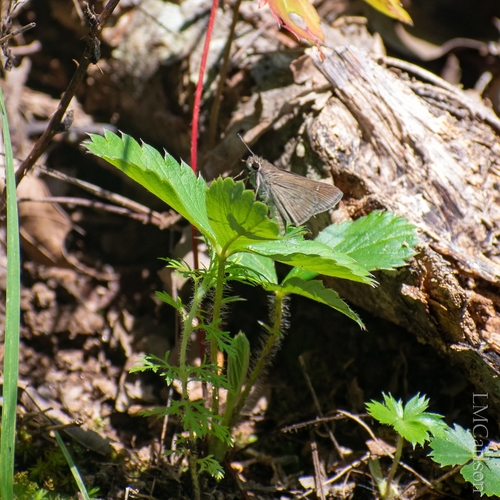
Questions people ask
Are they a problem for gardens or crops?
The larvae feed on grasses such as sorghum, bermudagrass and sugarcane, so they can damage those crops.
Source: Wikipedia
When can I see them?
In the deep south they appear from February to October, and in warmer states they may be seen all year.
Source: Wikipedia
Same family (Hesperiidae)




Sources
- Wikipedia: https://en.wikipedia.org/wiki/Lerodea_eufala
Look it up elsewhere: GBIF · iNaturalist · BugGuide · ITIS · Wikipedia
Text written 2026-10-22 from the sources above and checked sentence by sentence against them. Data fetched 2026-10-22.